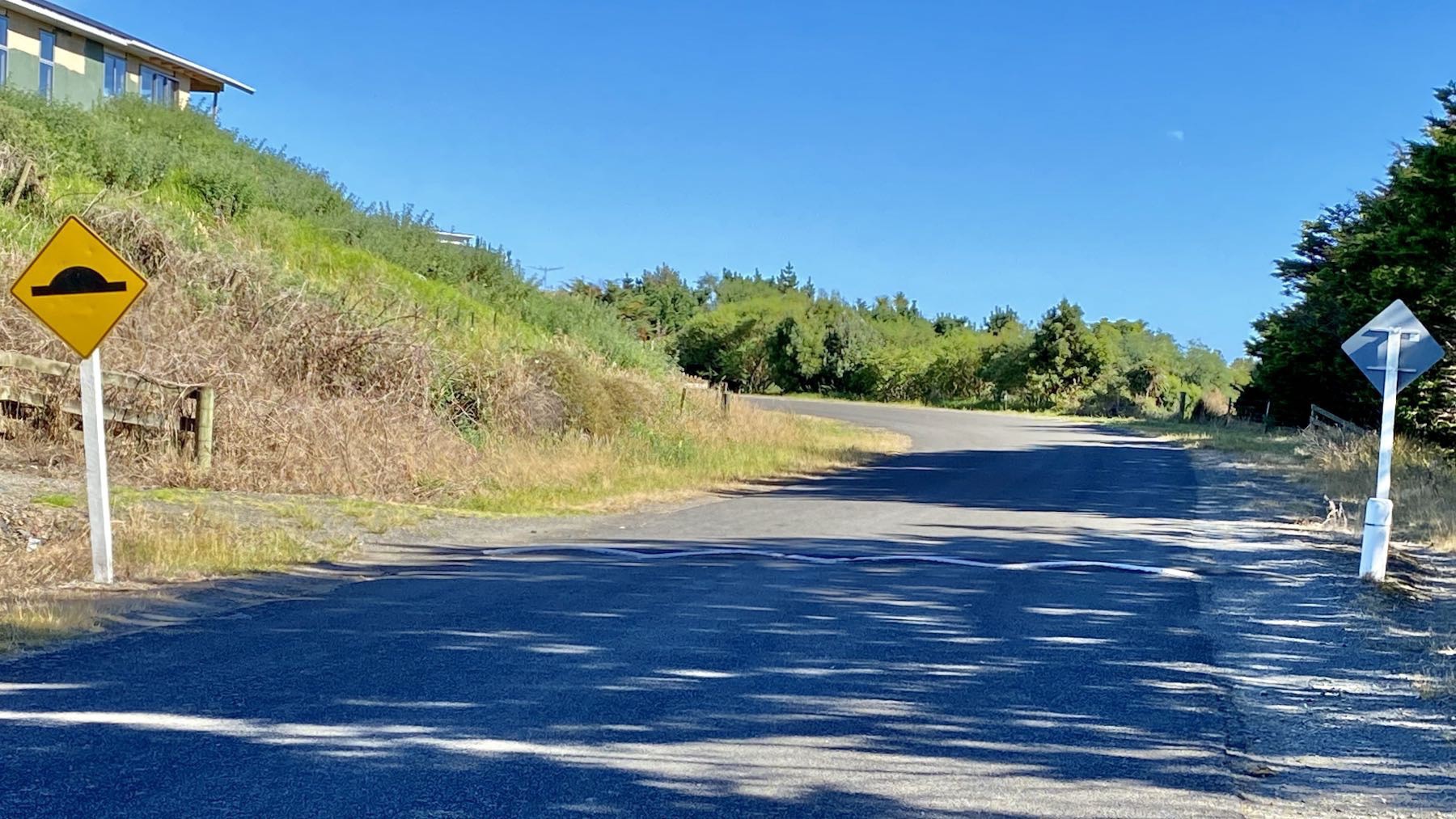
This speedbump doesn’t seem much of a hurdle, but I have to bike over / round 3 of them each way to the village and back, and another to leave the village. They are a huge pain for a cyclist, and the grass either side has loose rutted sand and shingle. Ugh.
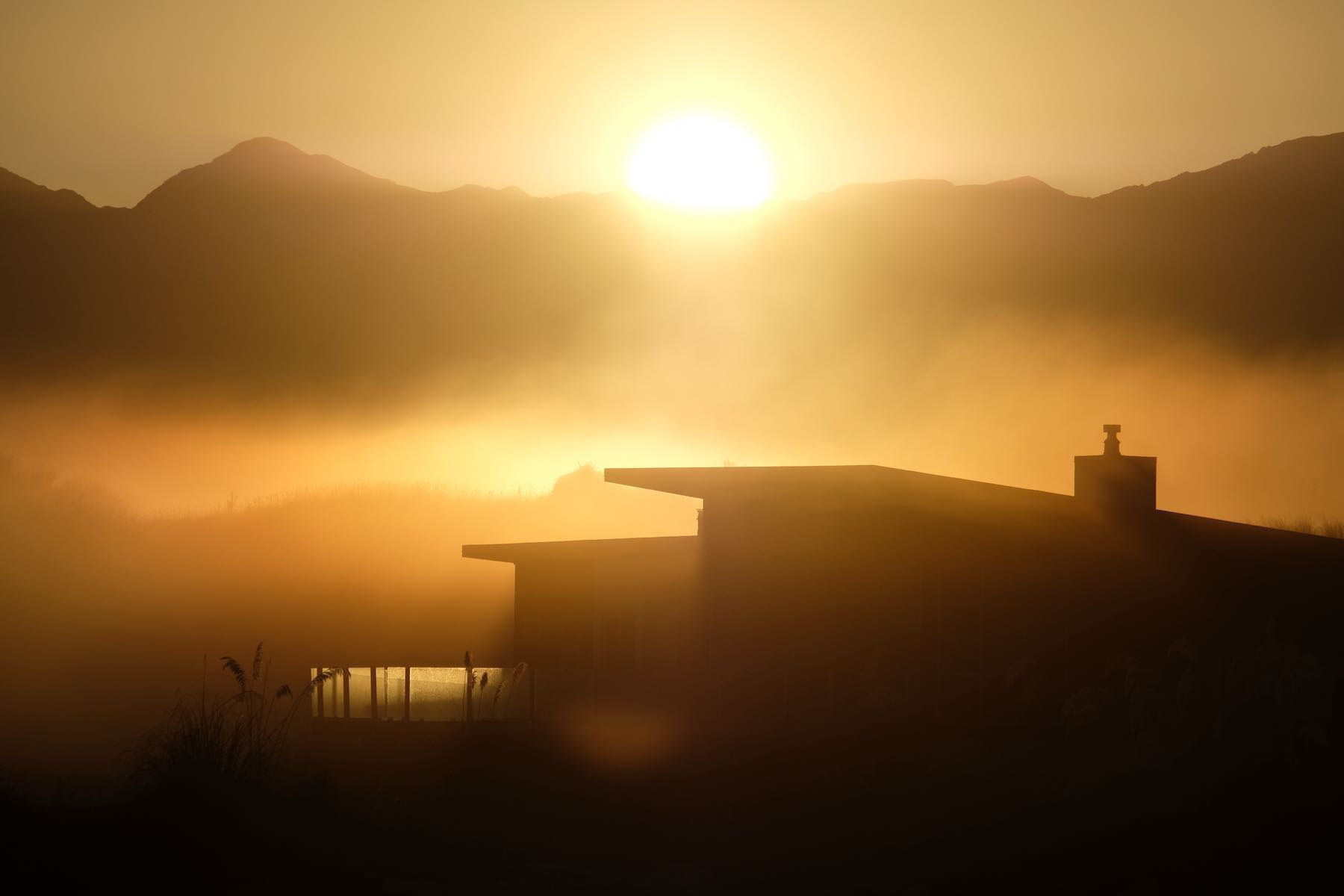
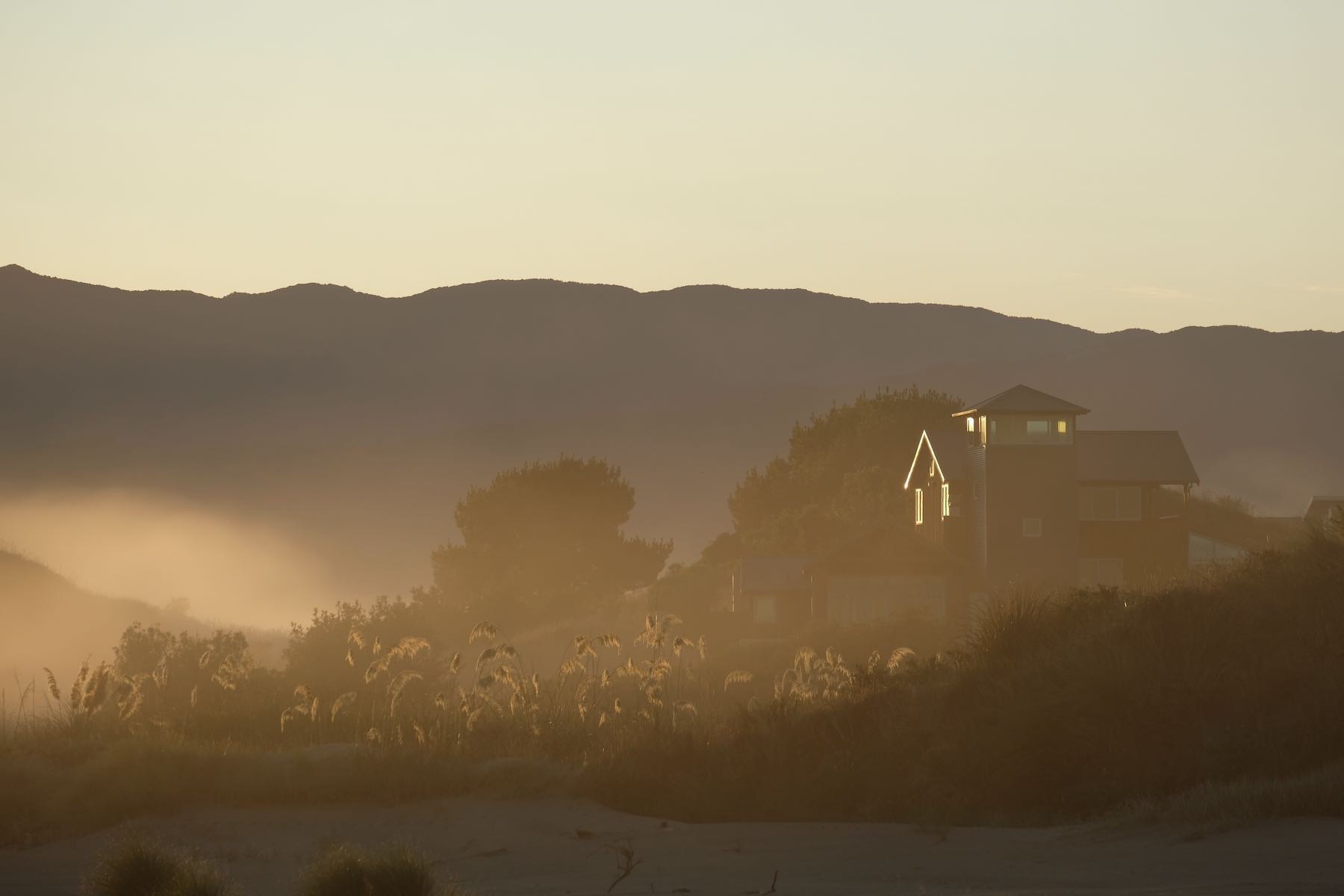
Messing about with my camera at the beach at sunrise with ground mist.
Yesterday, while savouring my bike ride, I noticed this lovely tree by the footbridge, rustling in the breeze. Perhaps someone who knows their trees can tell me what it is.
Katherine Johnson, key black female mathematician for NASA’s Apollo flights died 24 February 2020 at 101 years. RIP.
calculated precise trajectories that would let Apollo 11 land on the moon in 1969 and, after Neil Armstrong’s history-making moonwalk, let it return to Earth.
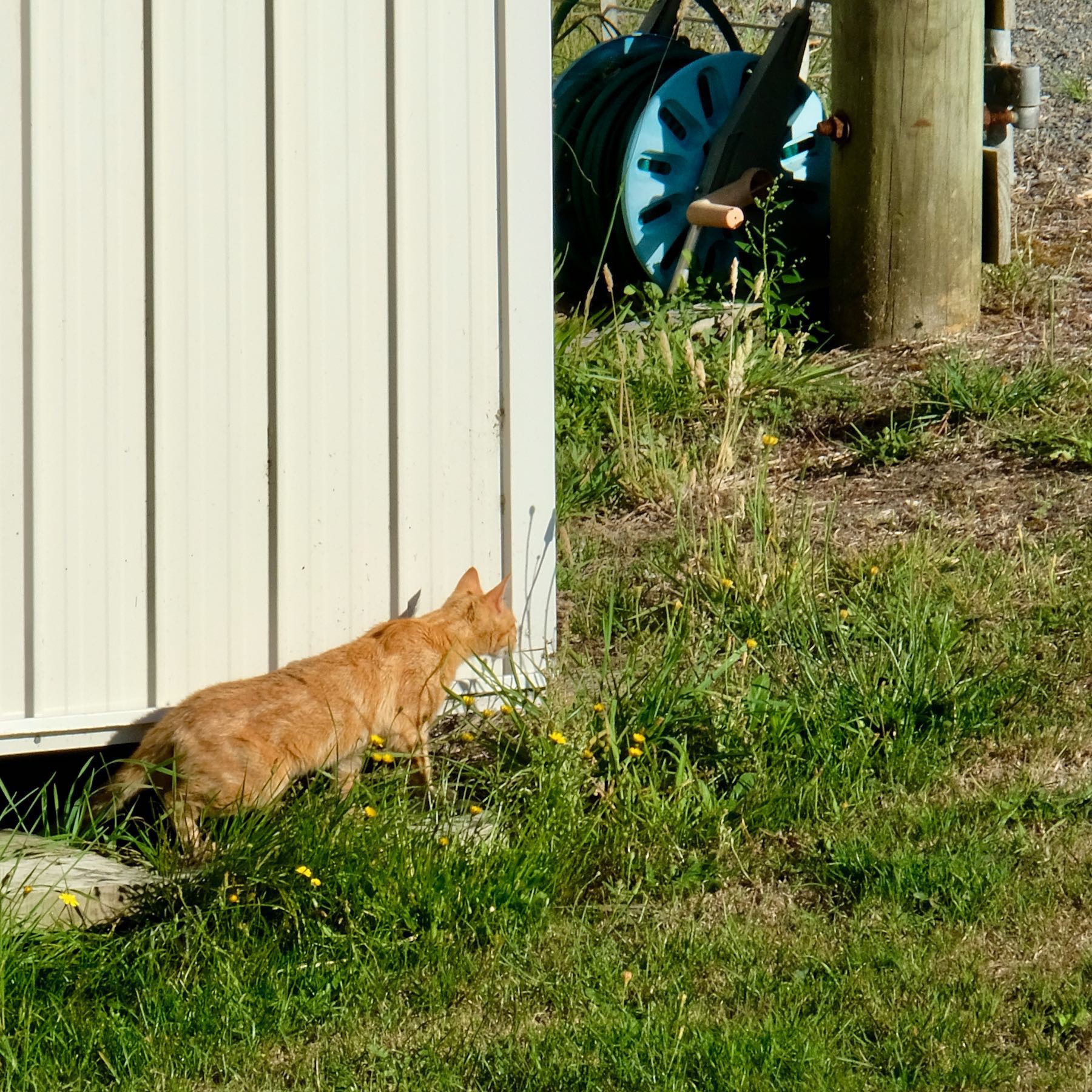
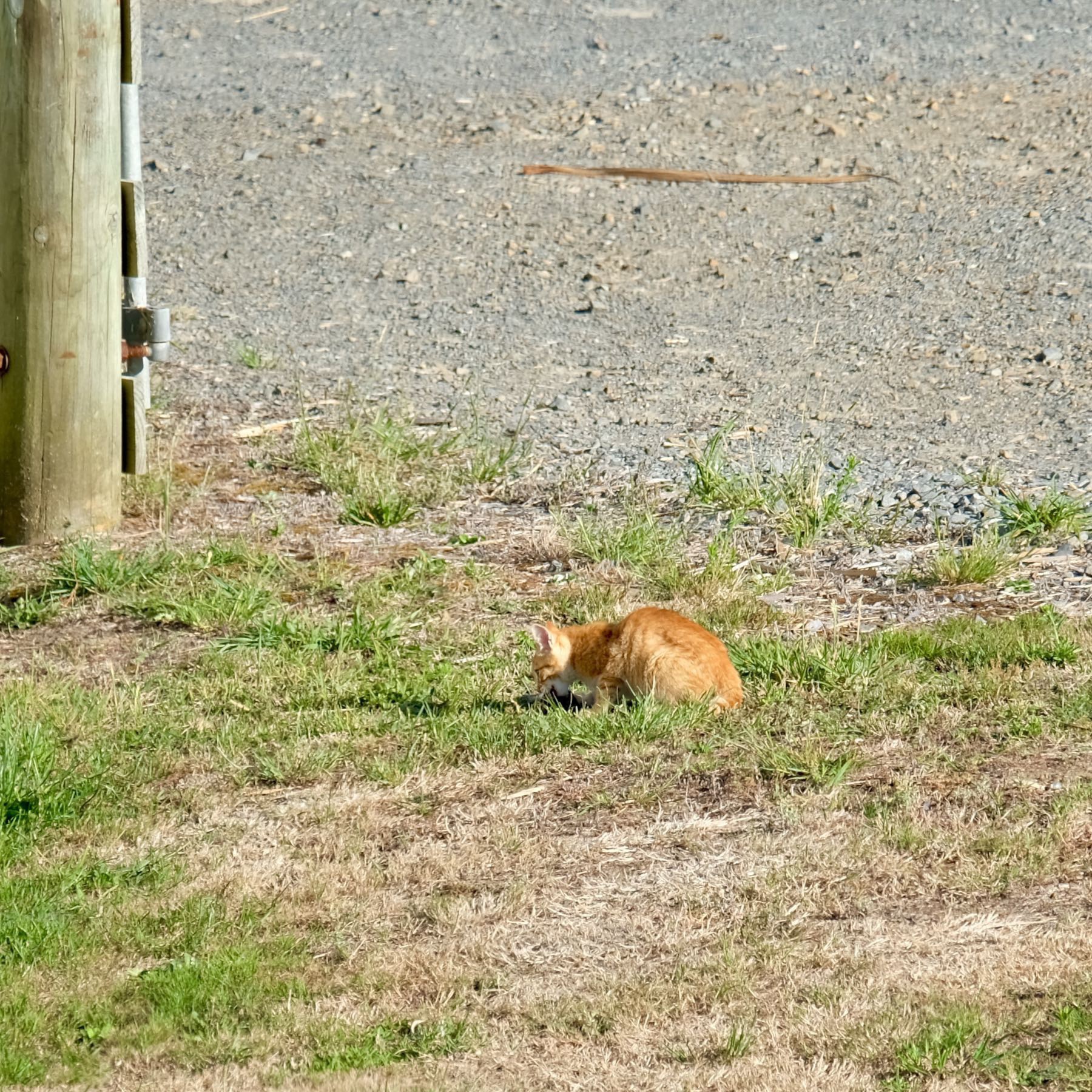
I wasn’t seeing double today. The single skinny ginger cat that’s been hanging around is now two skinny gingers. Probably strays, or feral, one had caught something today — perhaps a small rabbit. It’s OK if they catch pests, but I’m worried about the birds.
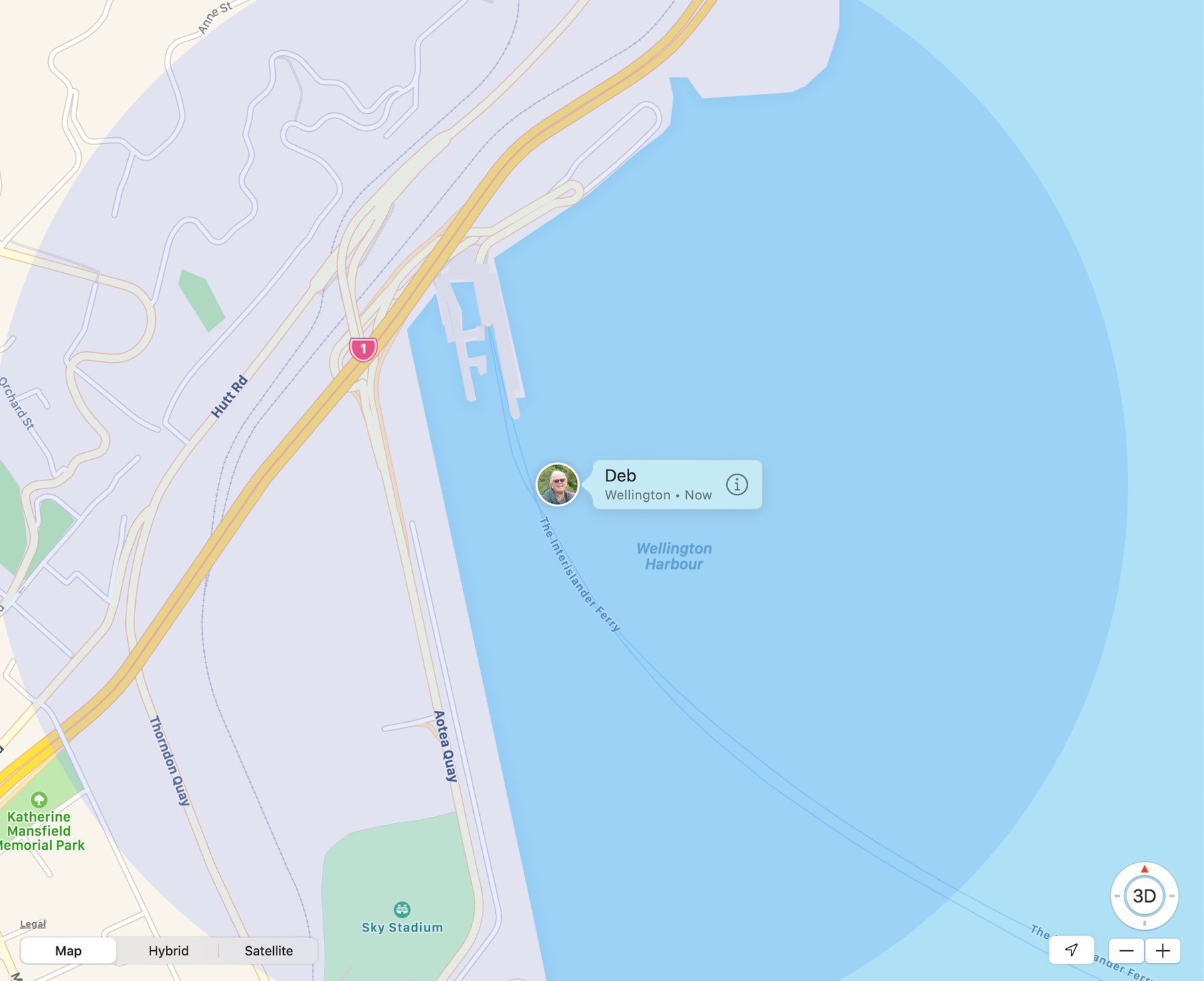
Hmmm, that moment when you think your partner’s at work but Find her in Wellington Harbour on the Interislander Ferry route. Something I should know? 🤣
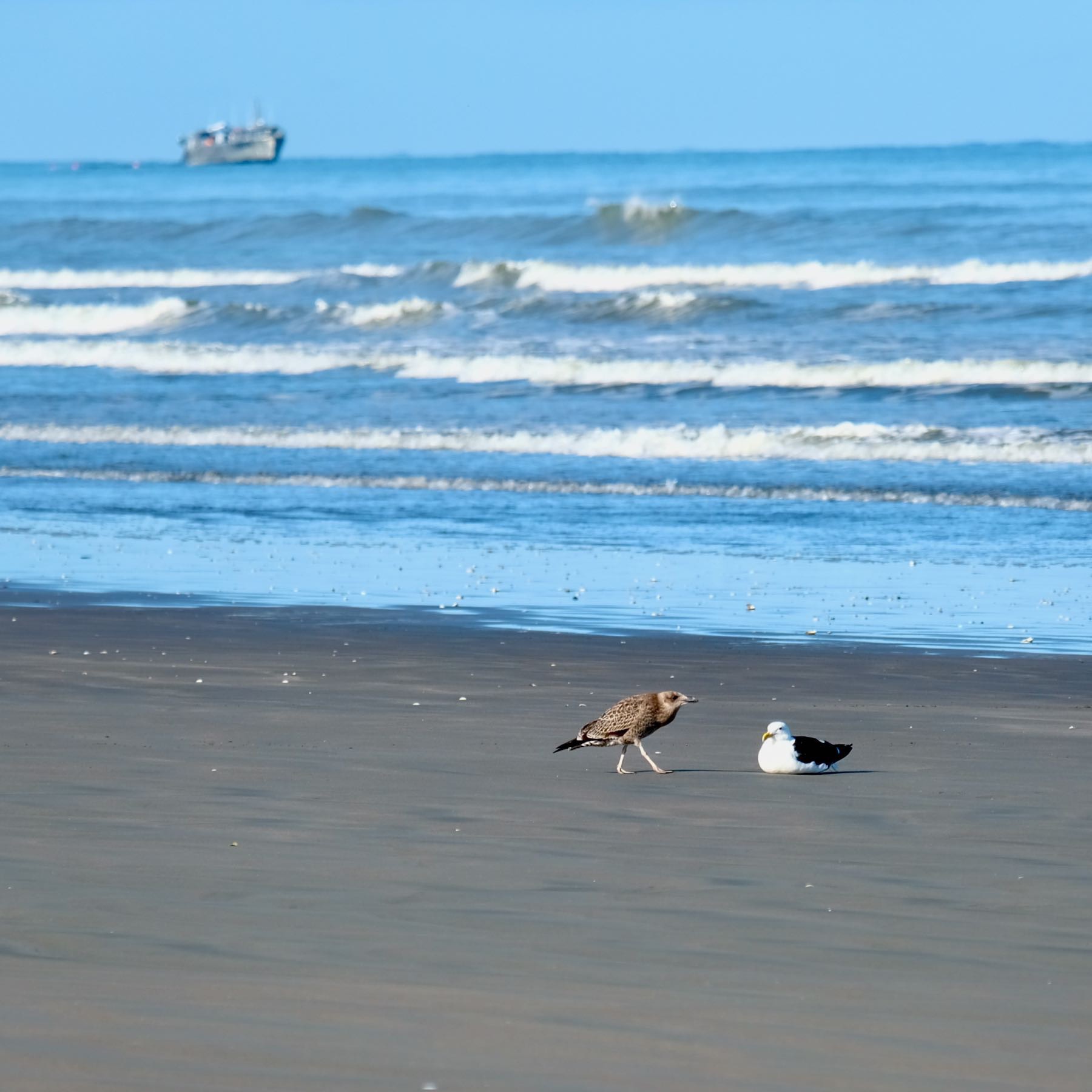
I was experimenting with camera settings. In the foreground are a juvenile and an adult black-backed gull. In the distance is a dredge keeping station just outside (I hope) the Kāpiti Marine Reserve.
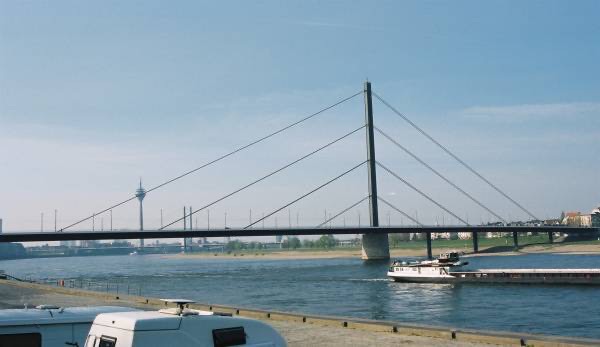
Not my photo: Nicolas Janberg. When I lived in Dūsseldorf it was a real spectacle in April 1976 to see the new Oberkassel Bridge move 50 metres:
… was erected next to an existing bridge. The old structure was … demolished and the new bridge moved … (April 6-7, 1976).
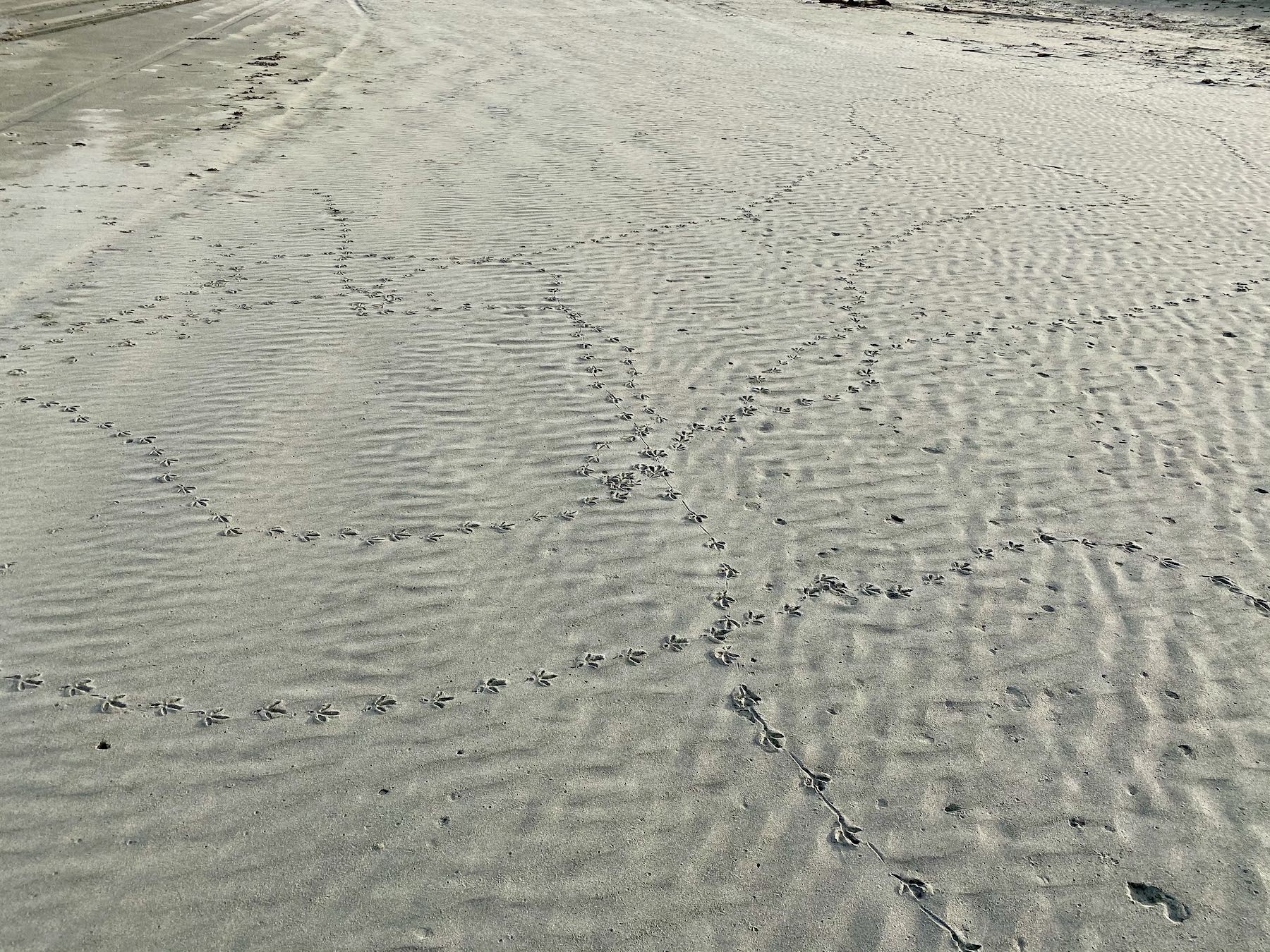
Progress just doesn’t go in straight lines.
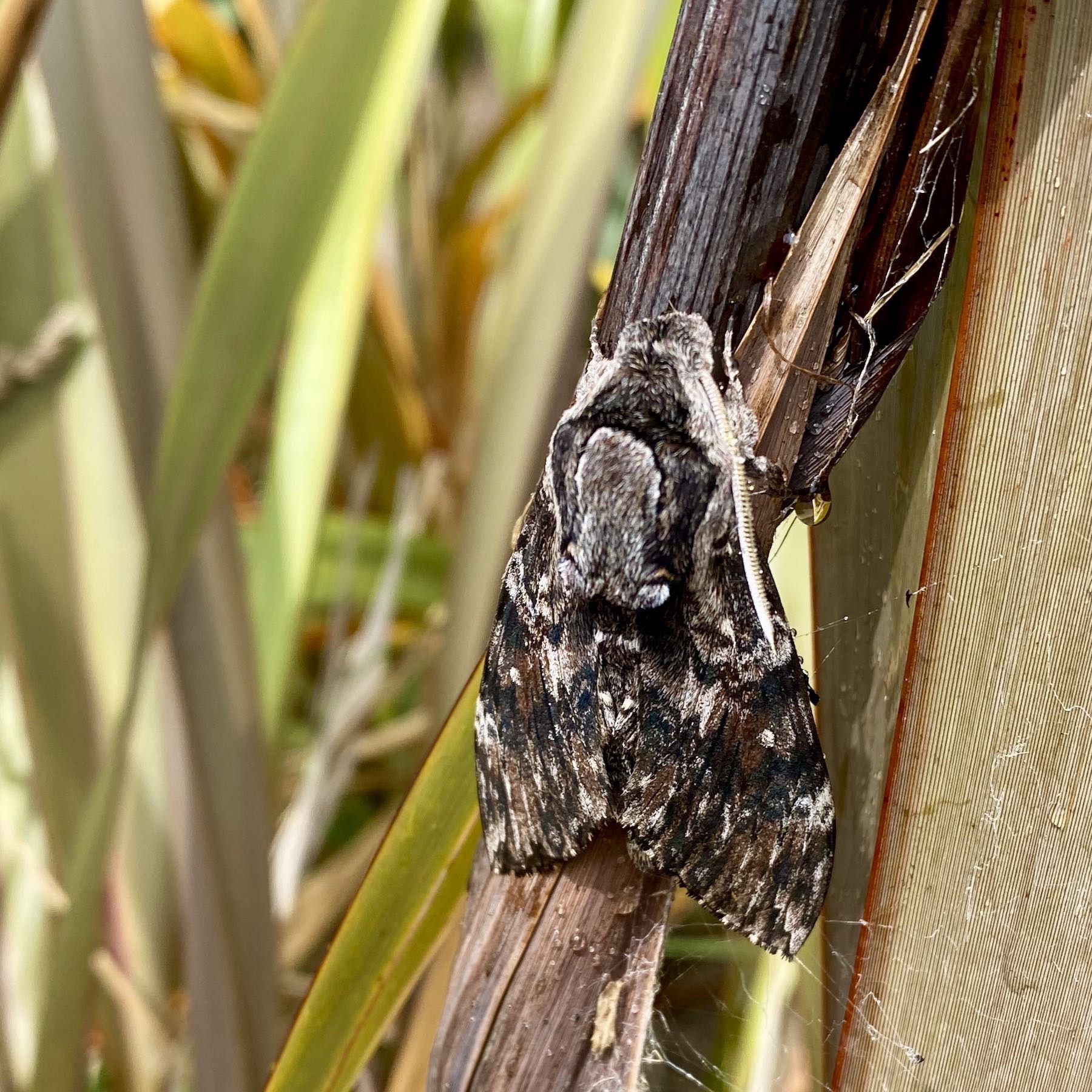
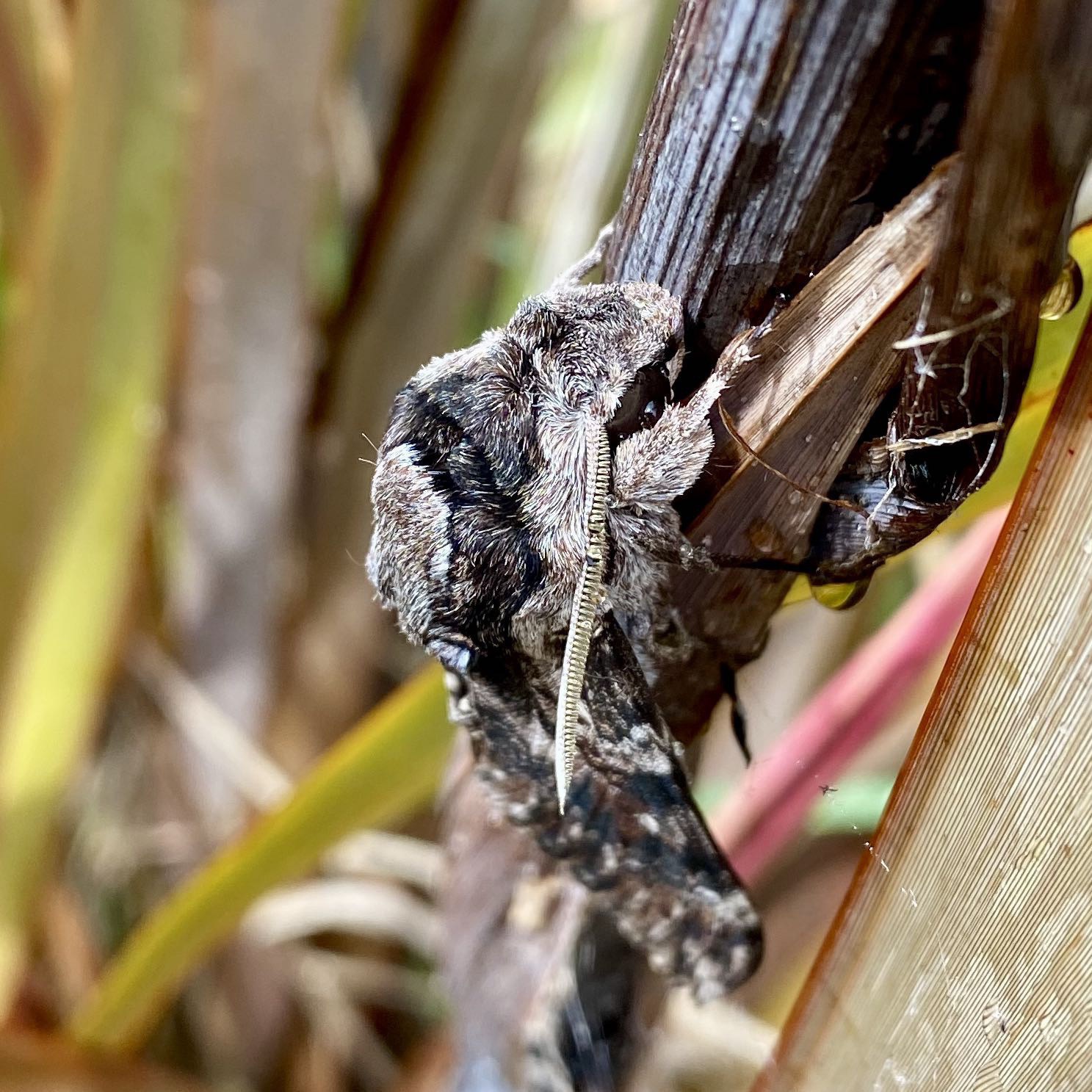
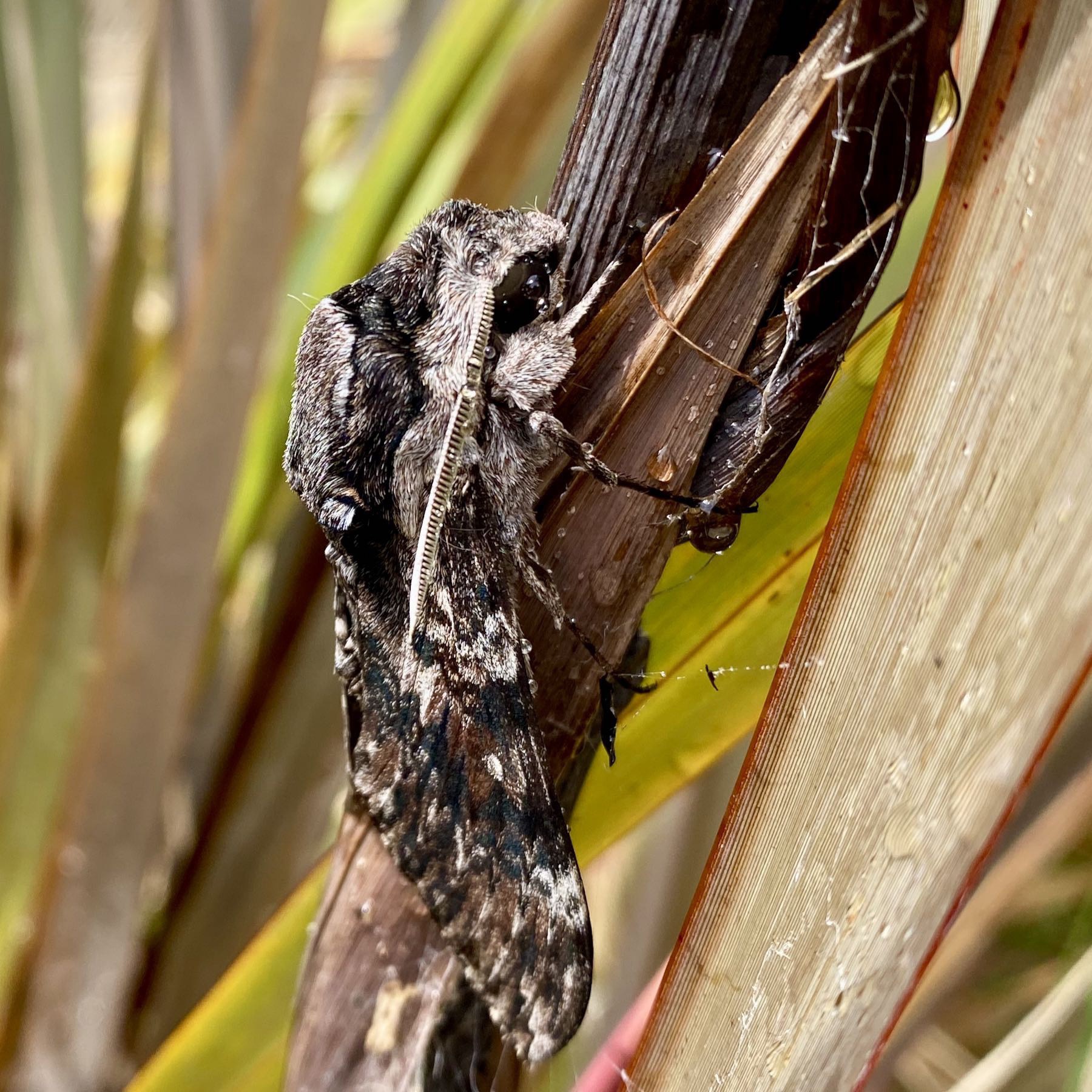
I was watering, when a grey ‘leaf’ on a flax stalk moved. On closer inspection I found a moth, about 5 cm long. Maybe it’s a Dasypodia cymatodes. Maybe not.
Update 21-Feb–22: an expert on the NZ Bug Identification Facebook group tells me this is a Convolvulus hawk moth: Agrius convolvuli or hīhue.
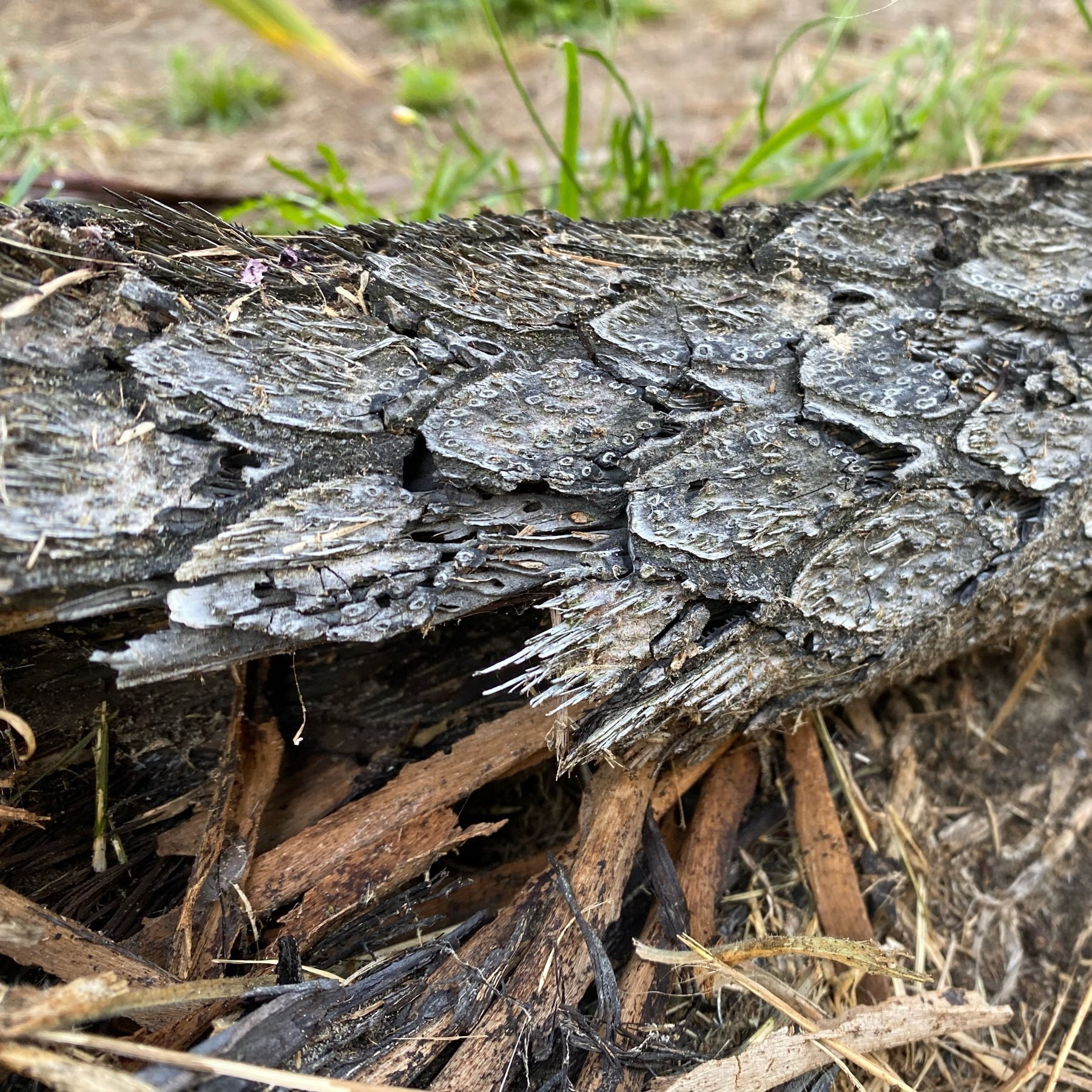
The bark on this driftwood (now in our garden) looks like scales.
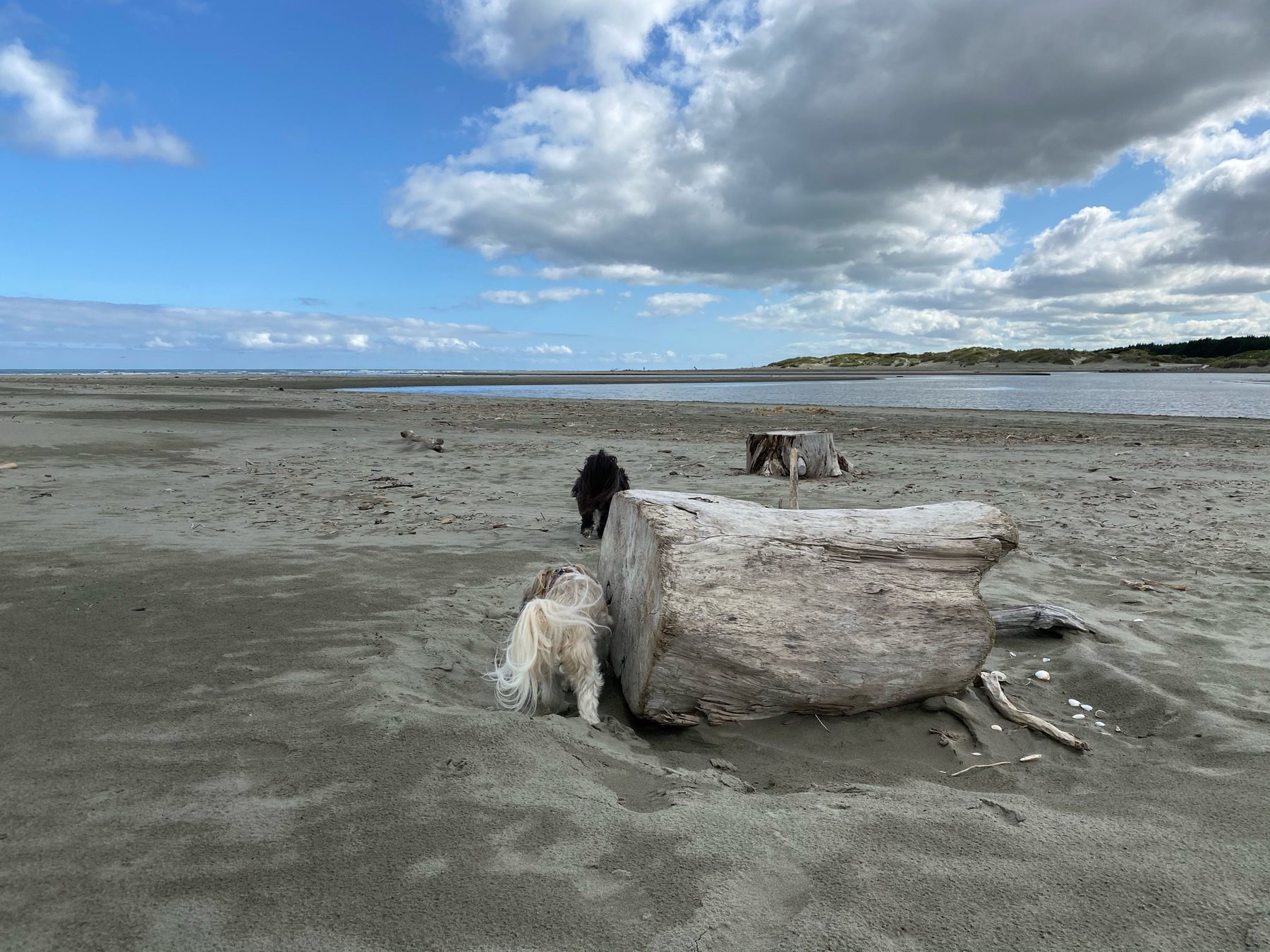
The dogs and I love having plenty of space for our walks.
Interesting times ahead
One of the delights of Waikawa Beach is that there are no commercial services: no cafe or coffee cart, no vege shops or dairies to bring visitors, traffic, and paper cups blowing along the beach in the wind.
On the other hand, if you’ve run out of milk or potatoes then it’s 7+ Km each way to State Highway 1 to pick some up at Manakau. To reach Ōtaki or Levin it’s a full 15 Km each way.
Only the fit would cycle that far; only the foolish would cycle along the section of SH1 that ranks in the top 100 in Aotearoa New Zealand for road accidents and deaths.
That leaves us to take the car for most errands. For most of us that means burdening the air with noxious gases and leaving traces of rubber and oil on the roadway to wash into the paddocks and drains.
News of an additional 4-lane road with shared path then is very welcome. Within a decade we may be able to take a low-traffic route to the shops. An electric bike could ease the journey if the goal is to enjoy coffee and cake out, or to pick up the forgotten broccoli.
It could also make it feasible, with a planned improved train service, to cycle to a train station, take the bike on a train to a destination, and then return, all without getting the car out of the garage. And just imagine how convenient it would be if the train were to stop at Manakau!
The population in Horowhenua is increasing dramatically. By the time the road building begins in 2025 we’re likely to see even more jammed up traffic on SH1, followed by several years of not only increasing general traffic but also roadworks and a huge number of additional vehicles to service the road construction.
Waikawa Beach is a quiet little backwater, and most residents like it like that. We don’t want shops and cafes, but we do need ways to reach those things that don’t require us to pull out the petrol guzzler. We’re in for some interesting times.
Published in Ōtaki Today, February 2020.


Photo by Miraz Jordan: traffic jam at the intersection of SH1 and Waikawa Beach Road.
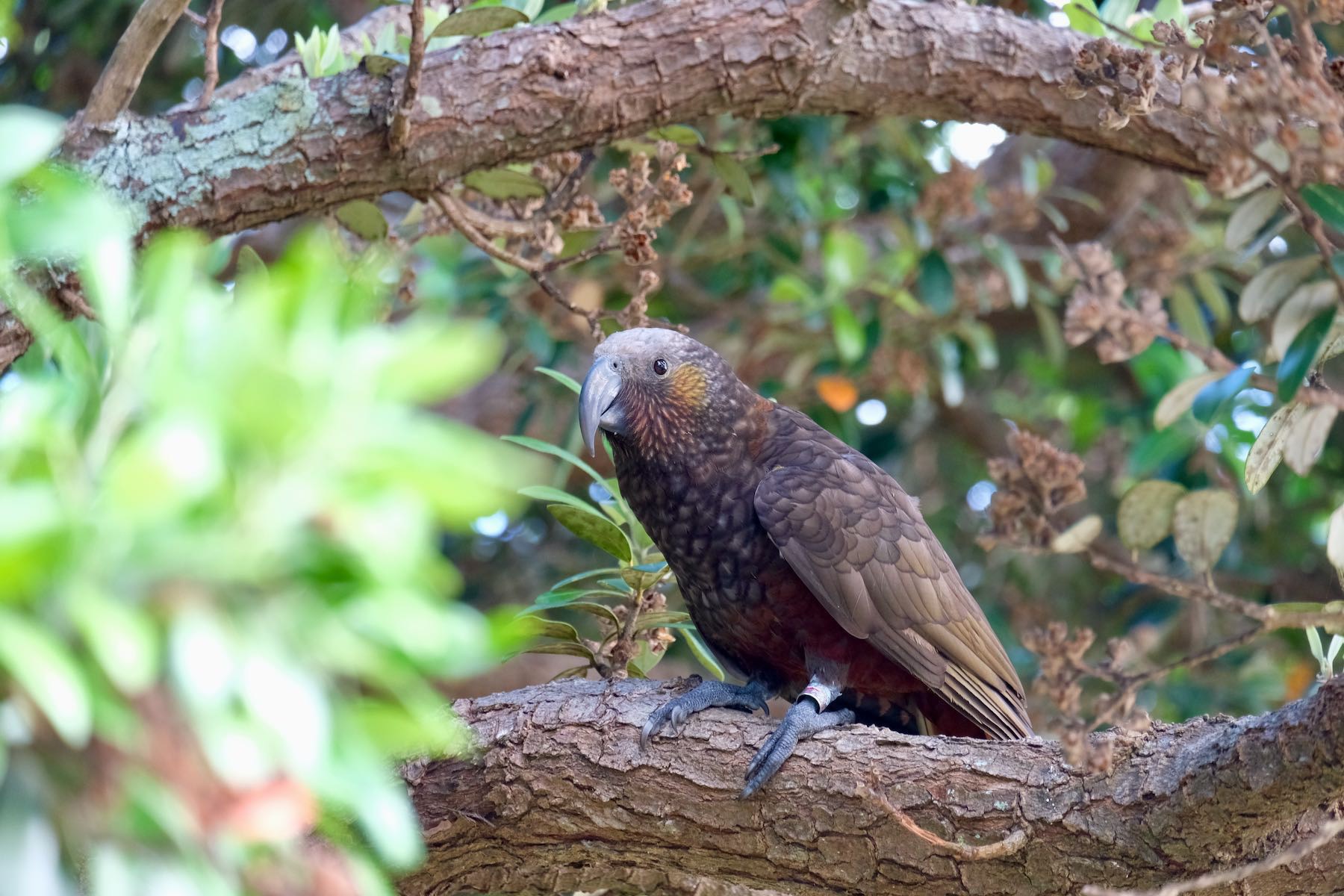
Some people oppose the use of 1080 for poisoning the many introduced predators that eradicate our native birds. They should visit Kāpiti Island and see how amazing this land could be if we got rid of all the stoats, rats, possums and other pests. Kaka in a tree.
This is more of a saved bookmark for me: Proper Technique for Paddling a Kayak.
The proper technique for paddling a kayak …. By developing good technique, you will not only paddle more efficiently, but be safer on the water.
I don’t go tramping in the bush, but the easily accessible forests and bush are silent. There’s no city / traffic noise, to be sure, but it’s very quiet. When we stepped off the boat onto Kāpiti Island there was birdsong everywhere! Volume up!
Another interesting Tom Scott video: Sentences Computers Can’t Understand, But Humans Can. Humans can work out the ‘it’ in a sentence like “I spread the cloth on the table in order to protect it” but machines can’t because they don’t have the breadth of knowledge or experience.
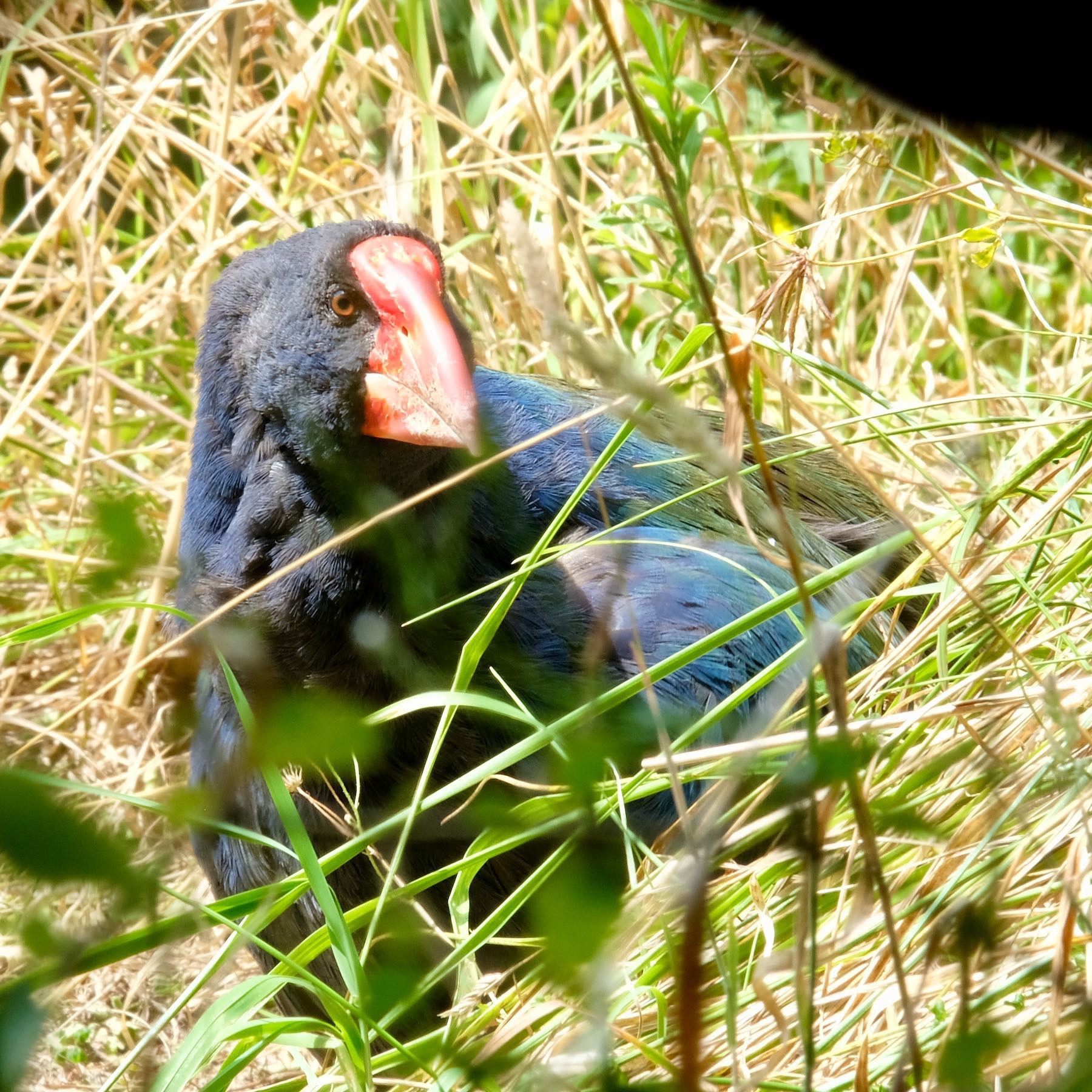
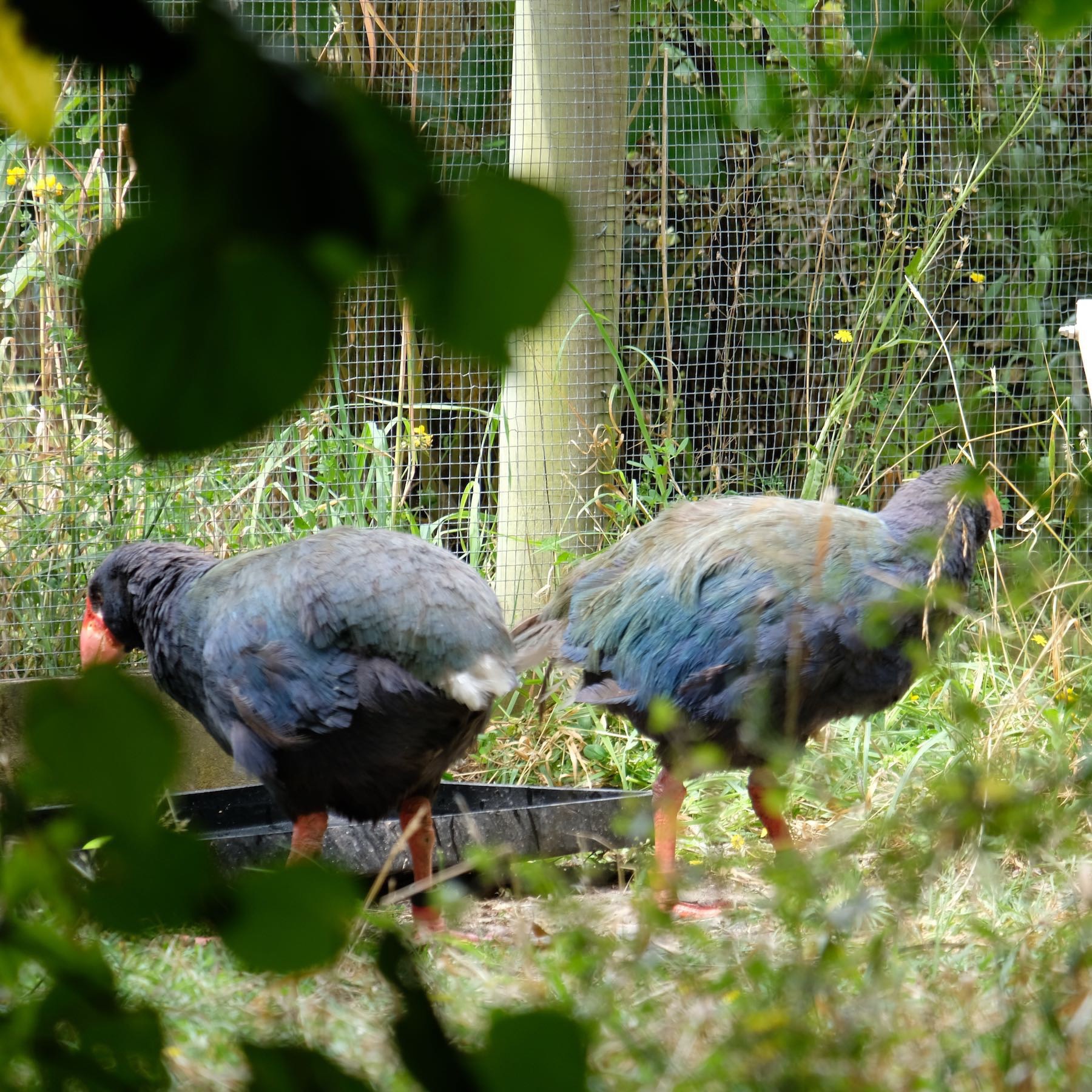
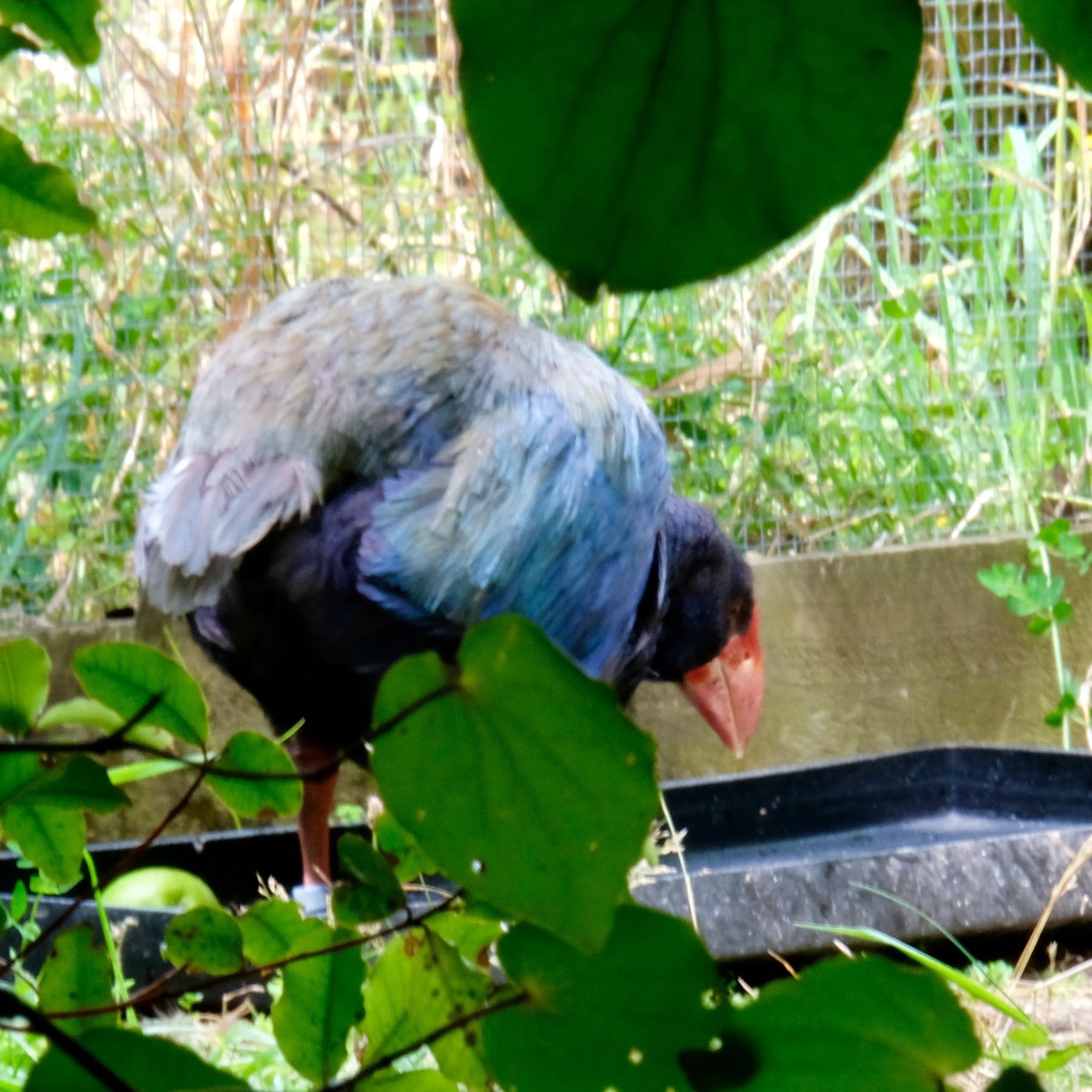
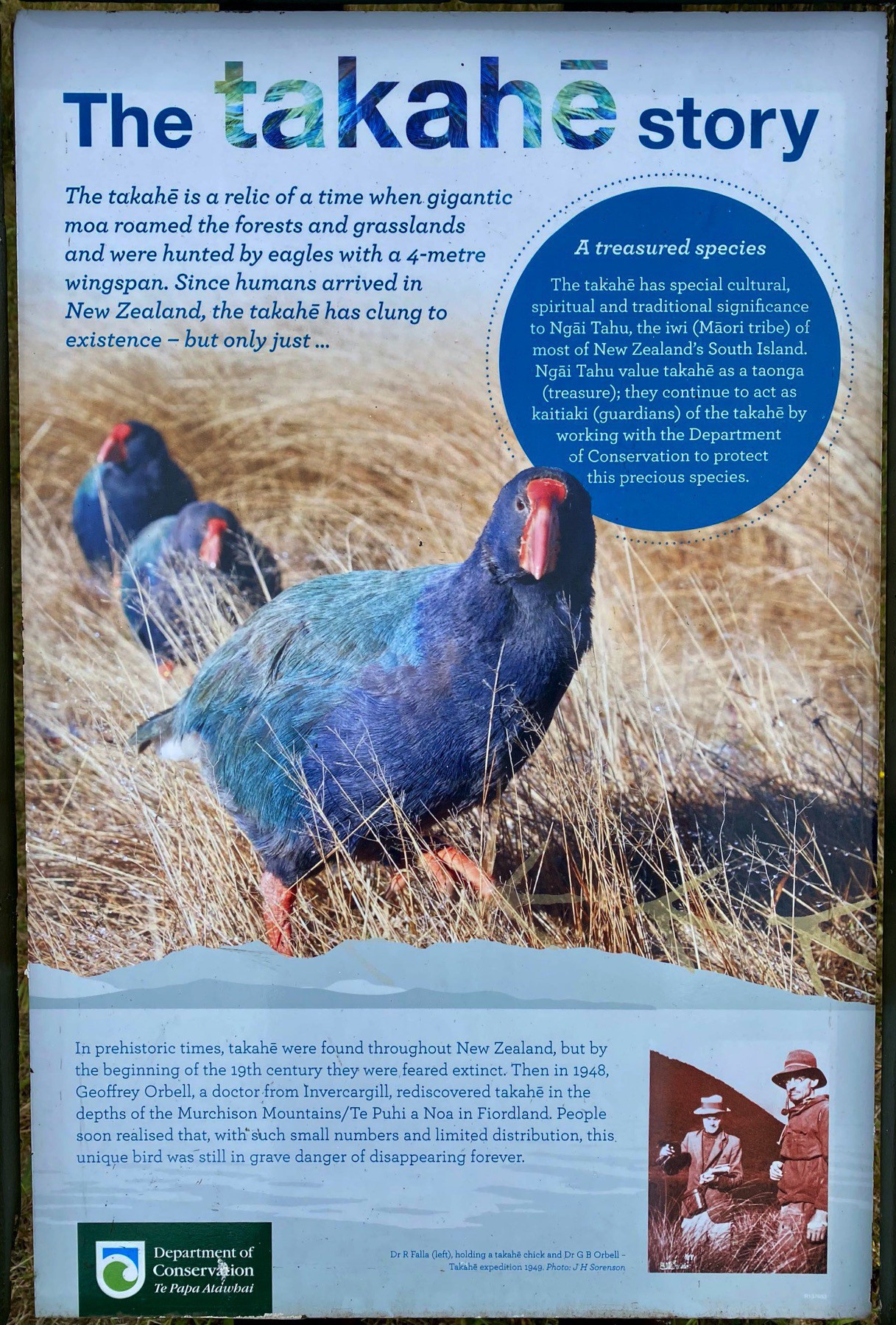
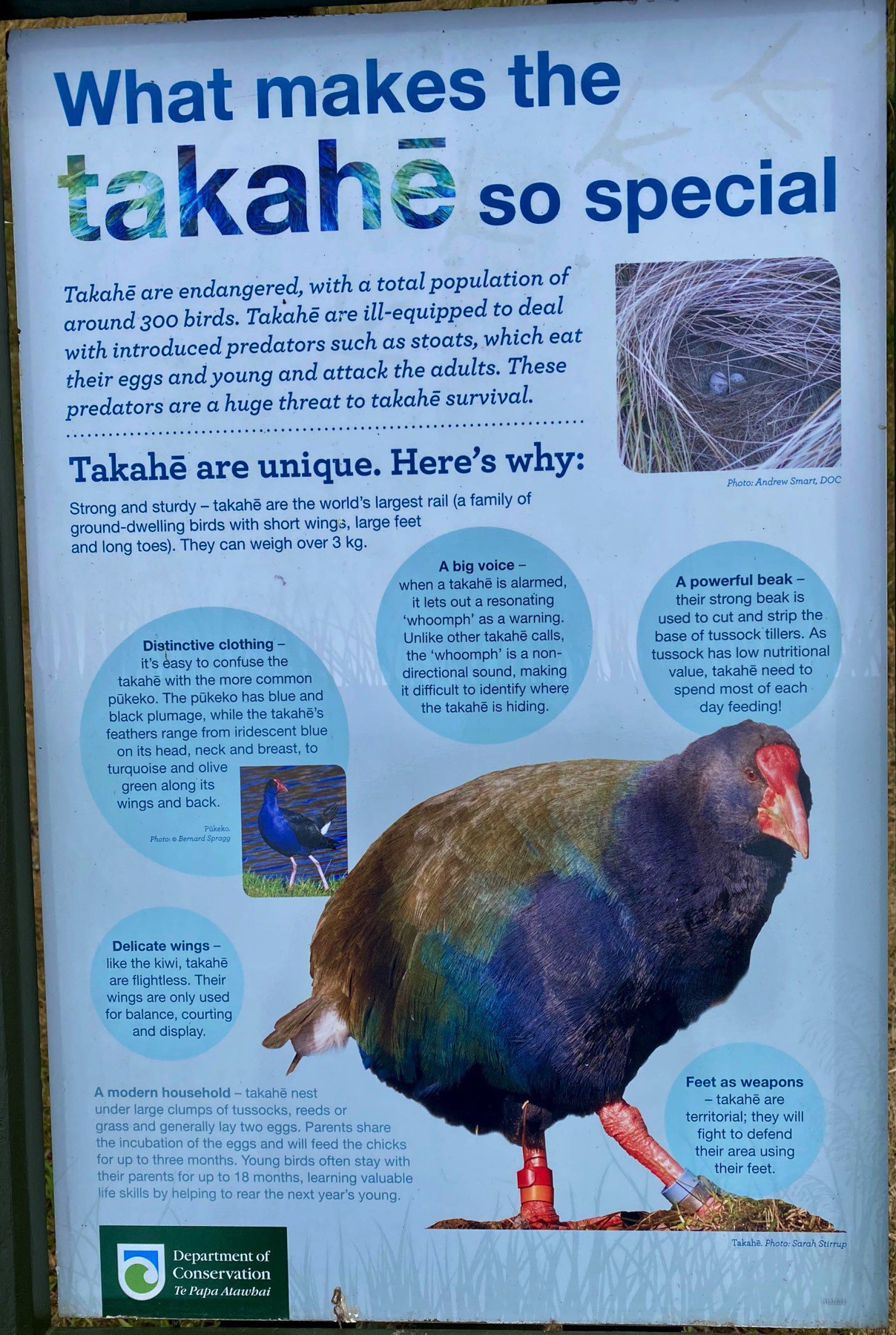
The takahē is a very cool bird. Of only 418 in the world two live on Kāpiti Island. They’re big (about 3 Kg) and were thought extinct for 50 years.
the largest living rail in the world.
The population stood at 263 at the beginning of 2013. … In 2019, it increased to 418.
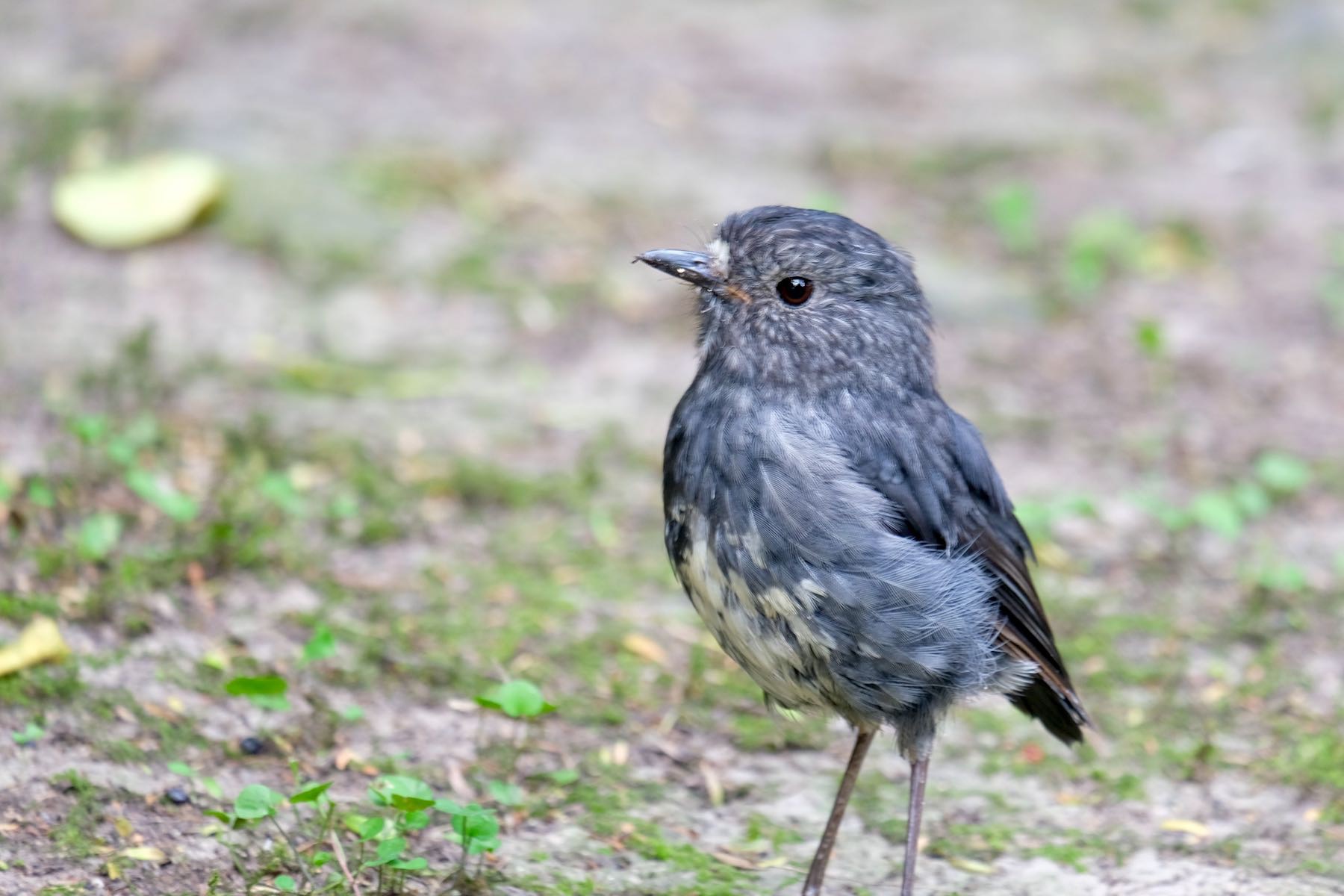
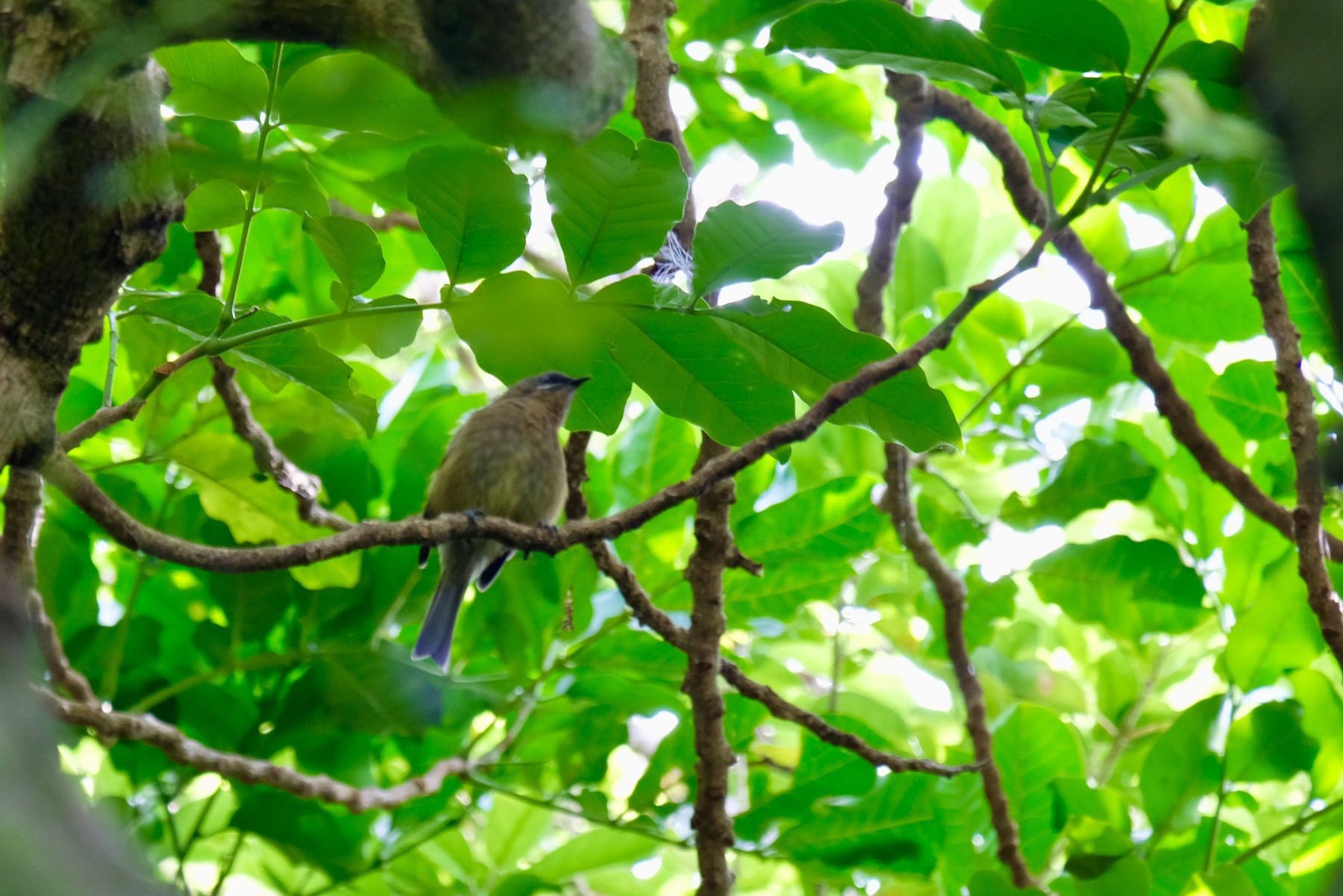
After a weekend of wandering the trails on Kāpiti Island looking for birds I find today I need a rest. Here are a Korimako (Bellbird) and a Toutouwai (North Island Robin).
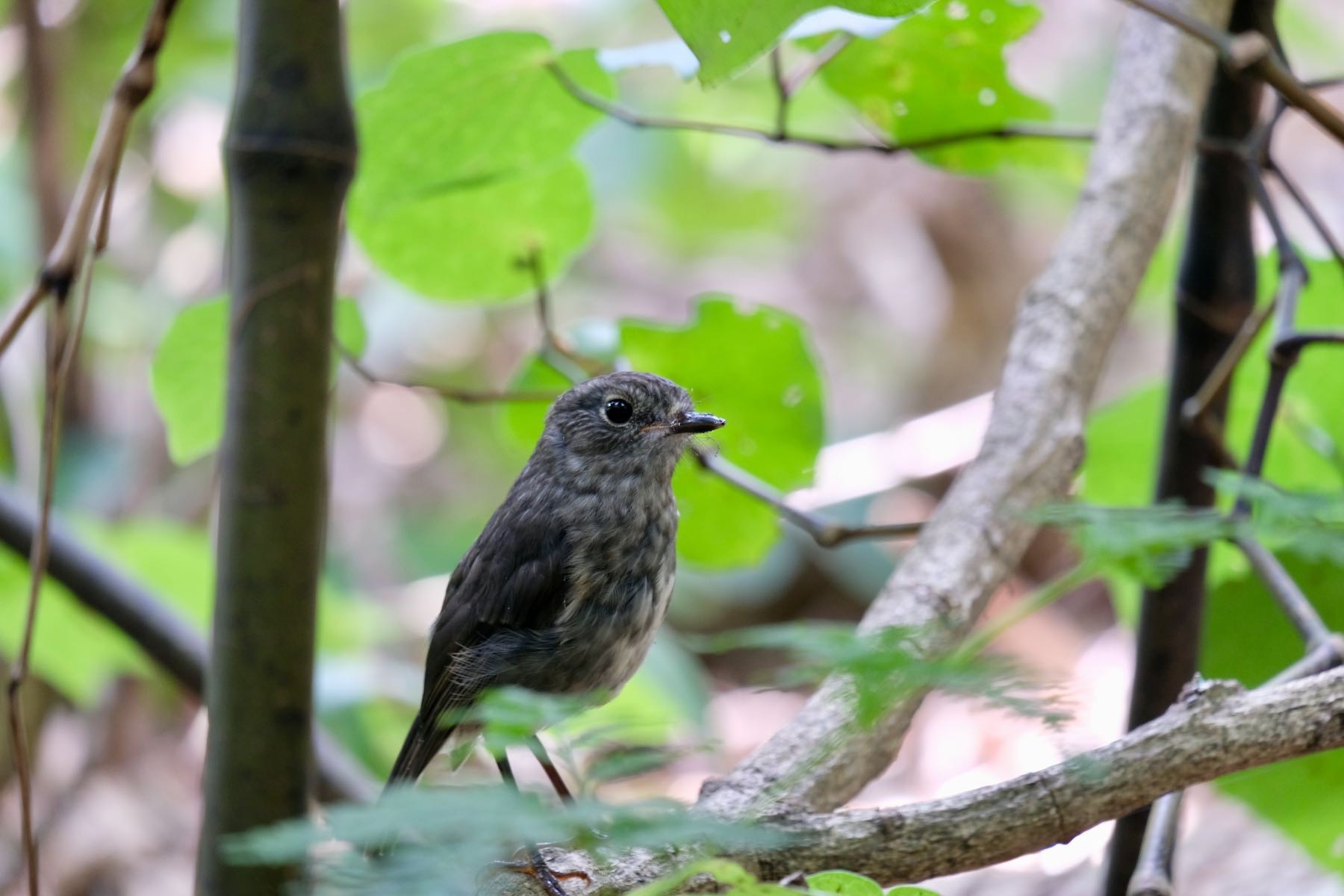
North Island Robins are so obliging. They come down to the track to get the insects you disturb by walking around. They’re bold and they stick around.