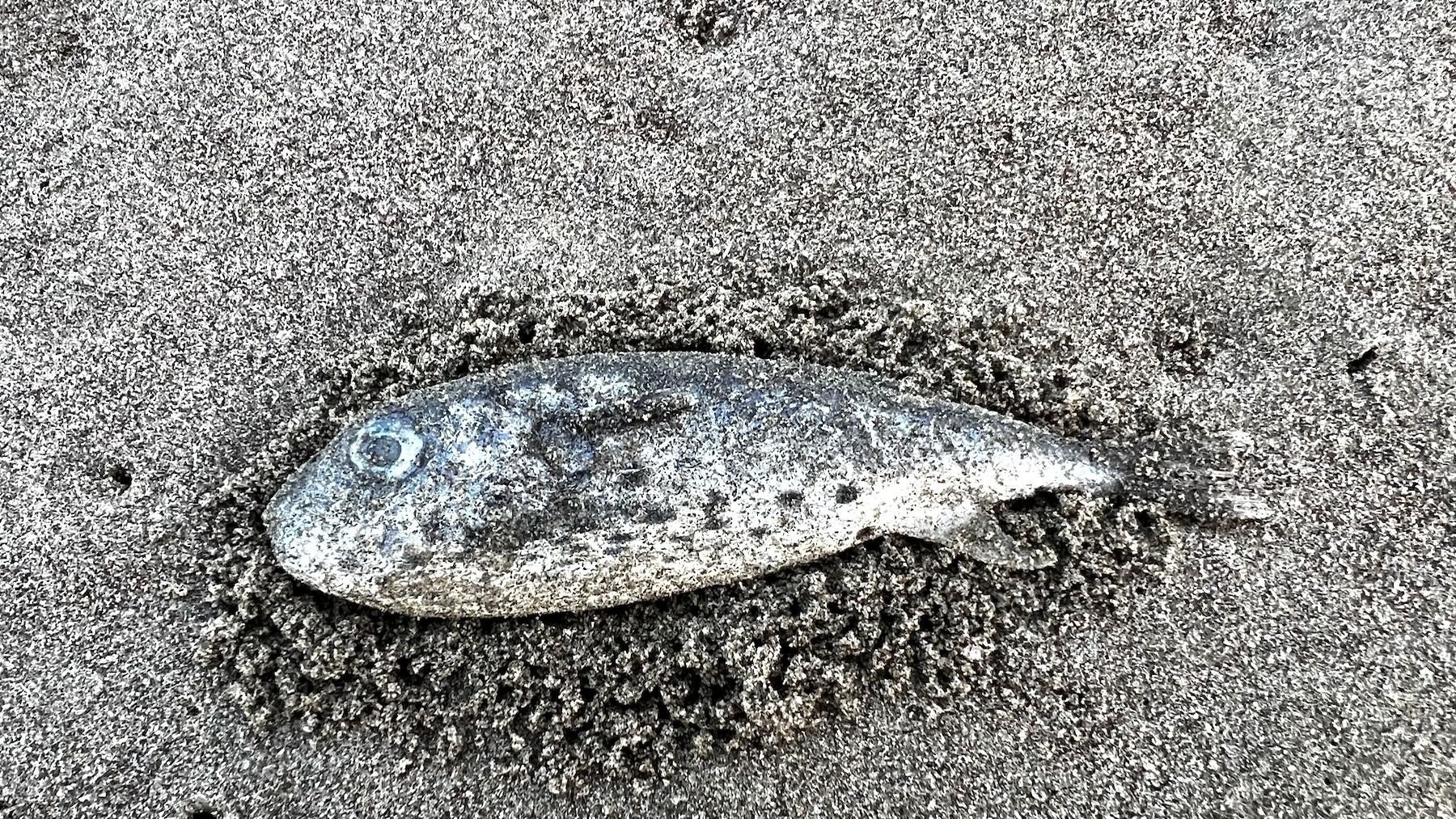
It's not at all uncommon to find dead fish on the beach. Usually gulls have had a feed.
This poor little thing though was unusual for being intact, and because it was only as big as the palm of my hand. The dead fish are usually bigger, often small sharks, but other kinds too.
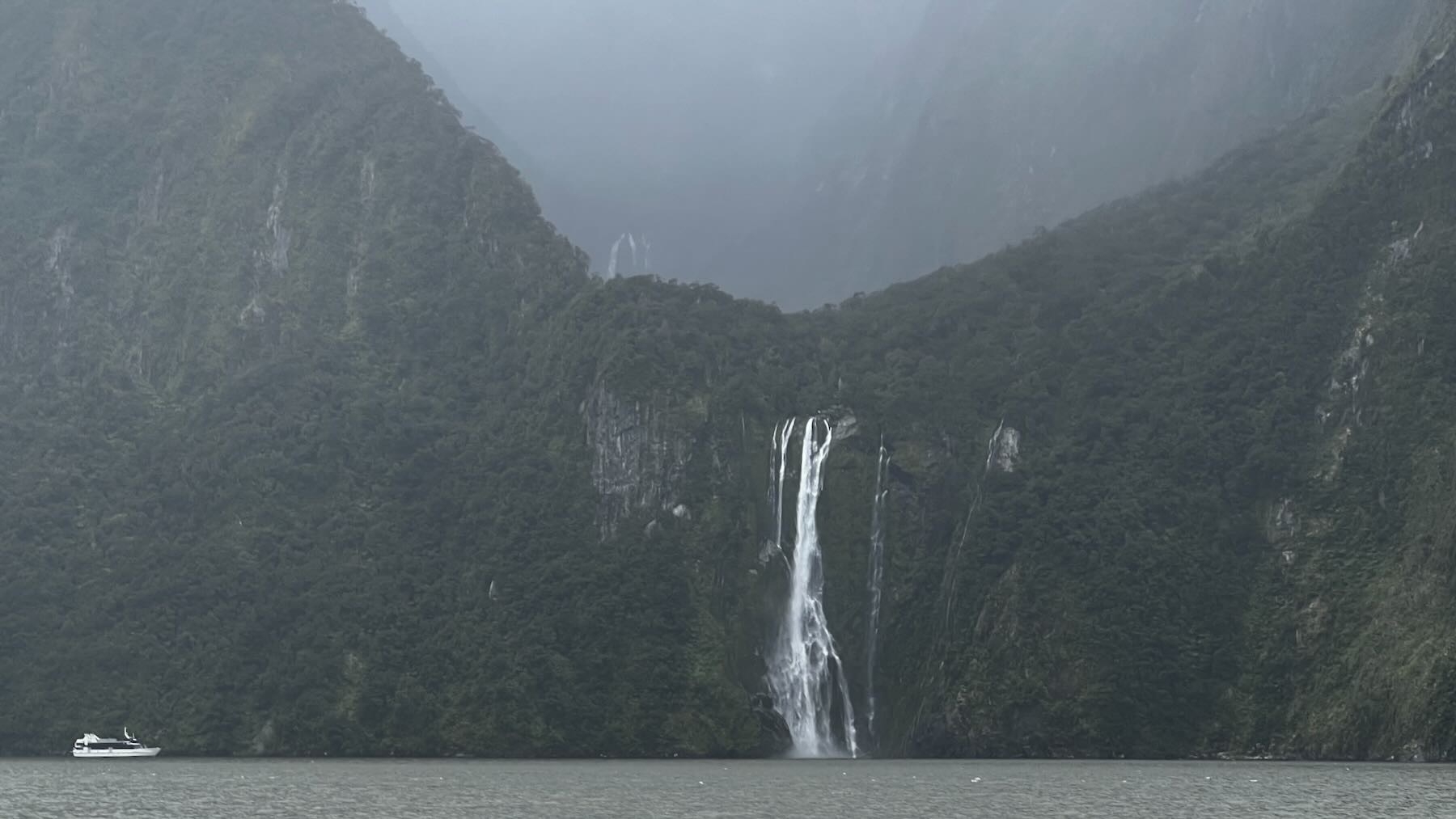
Still in the beautiful Milford Sound back in March 2024.
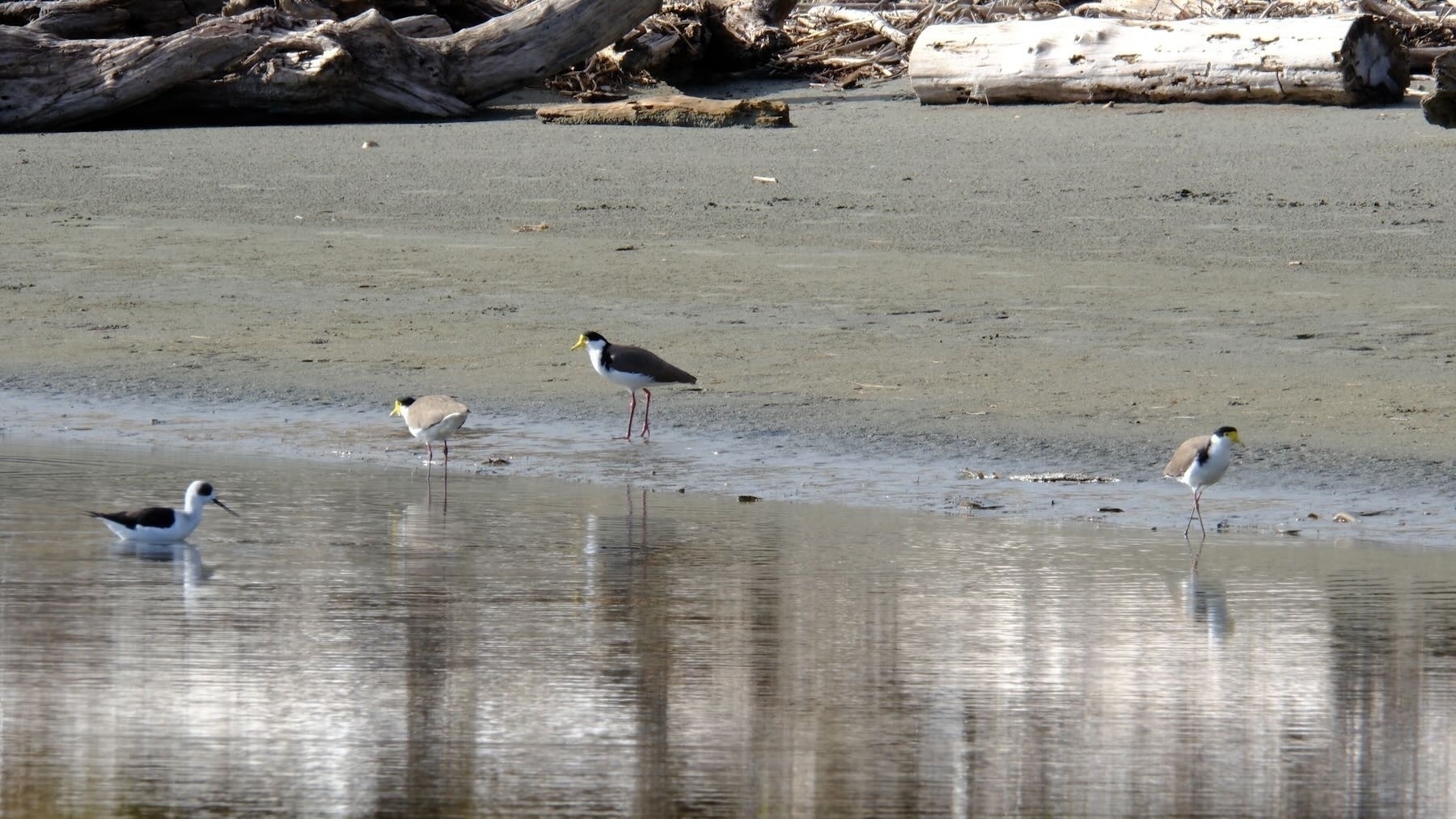
At the beach this morning: 3 spur-winged plovers and a pied stilt.
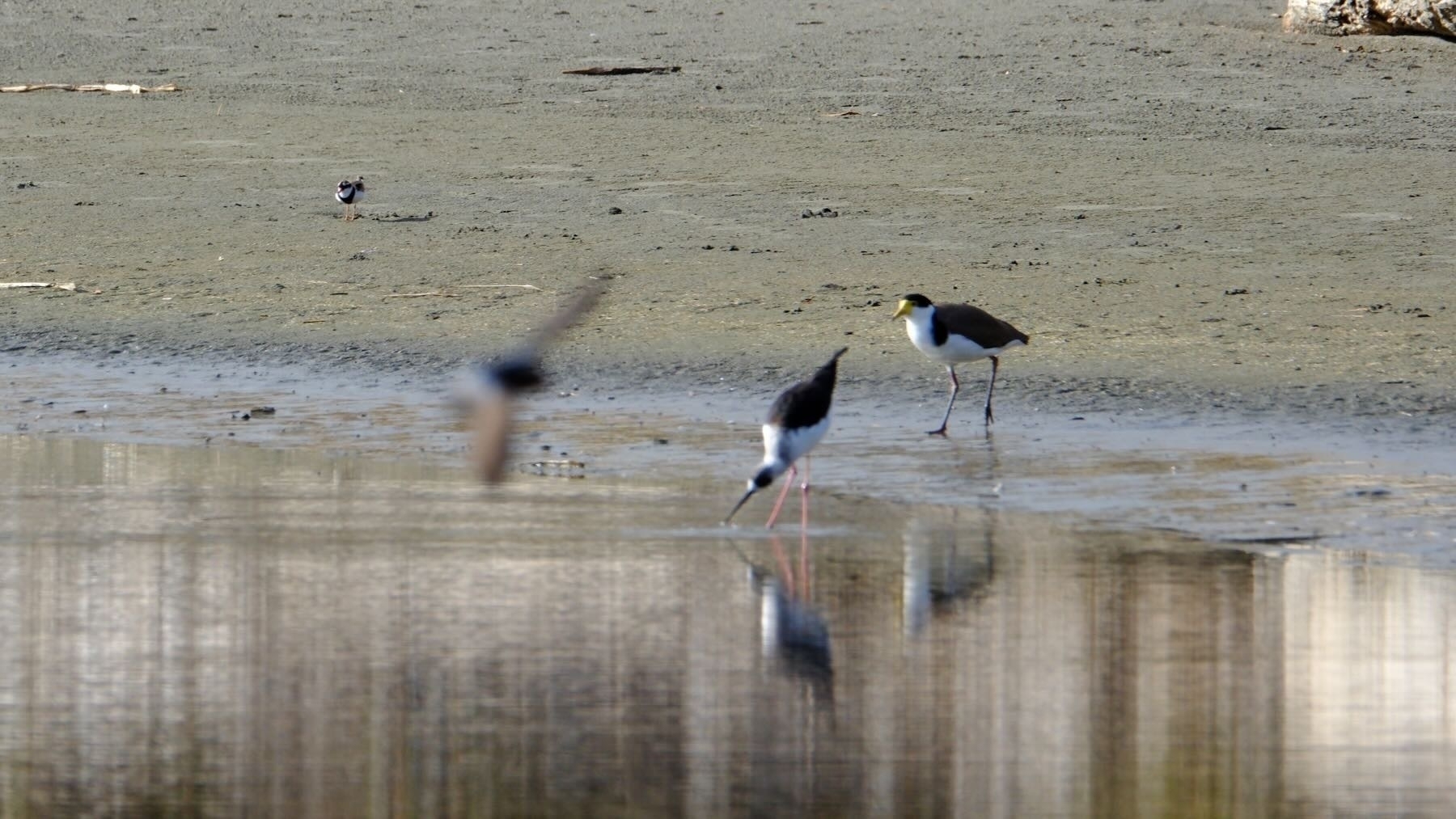
In the next there's a spur-winged plover, a pied stilt, a black-fronted dotterel (in the background), while a swallow flies by. 🐦
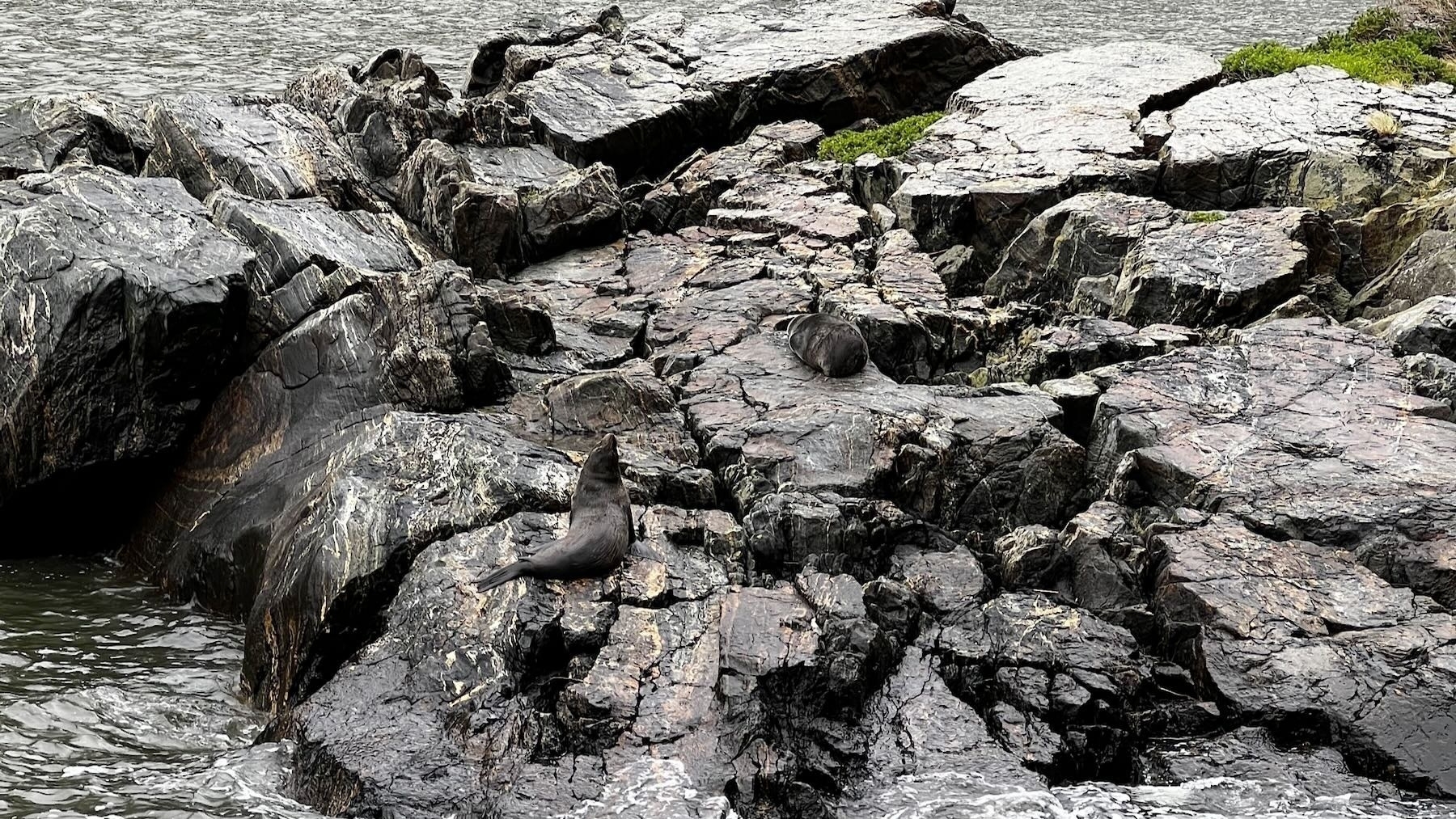
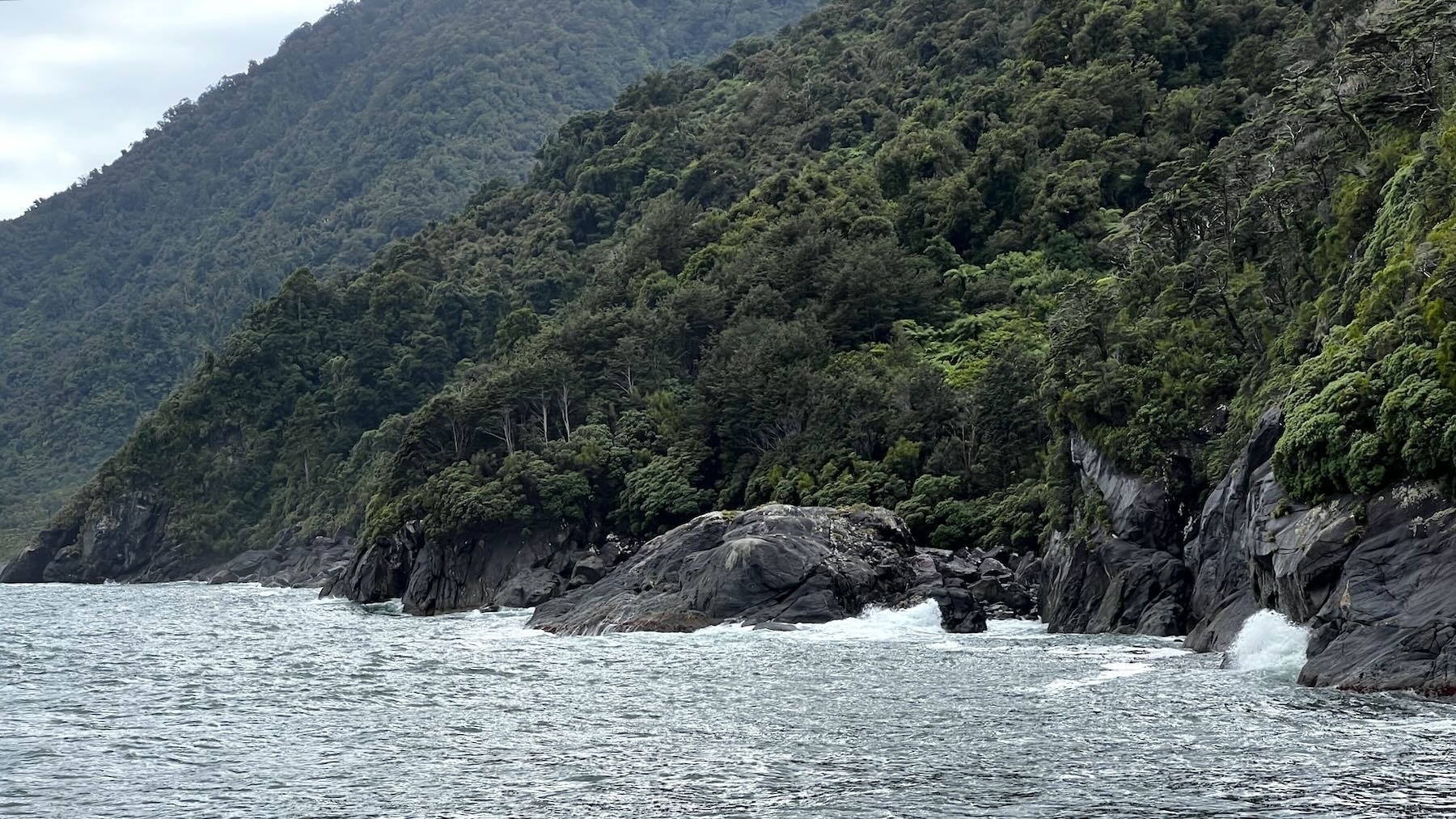
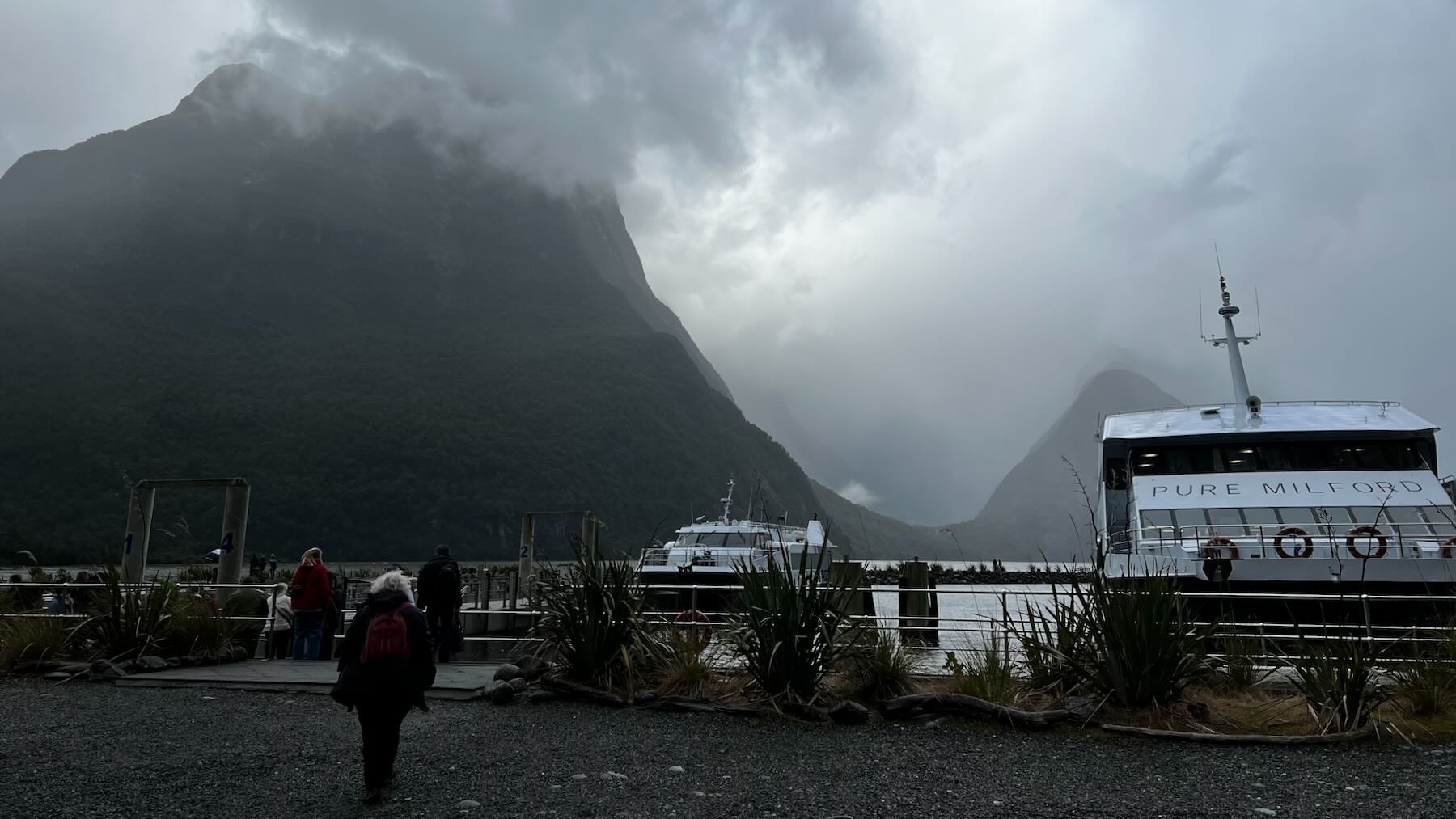
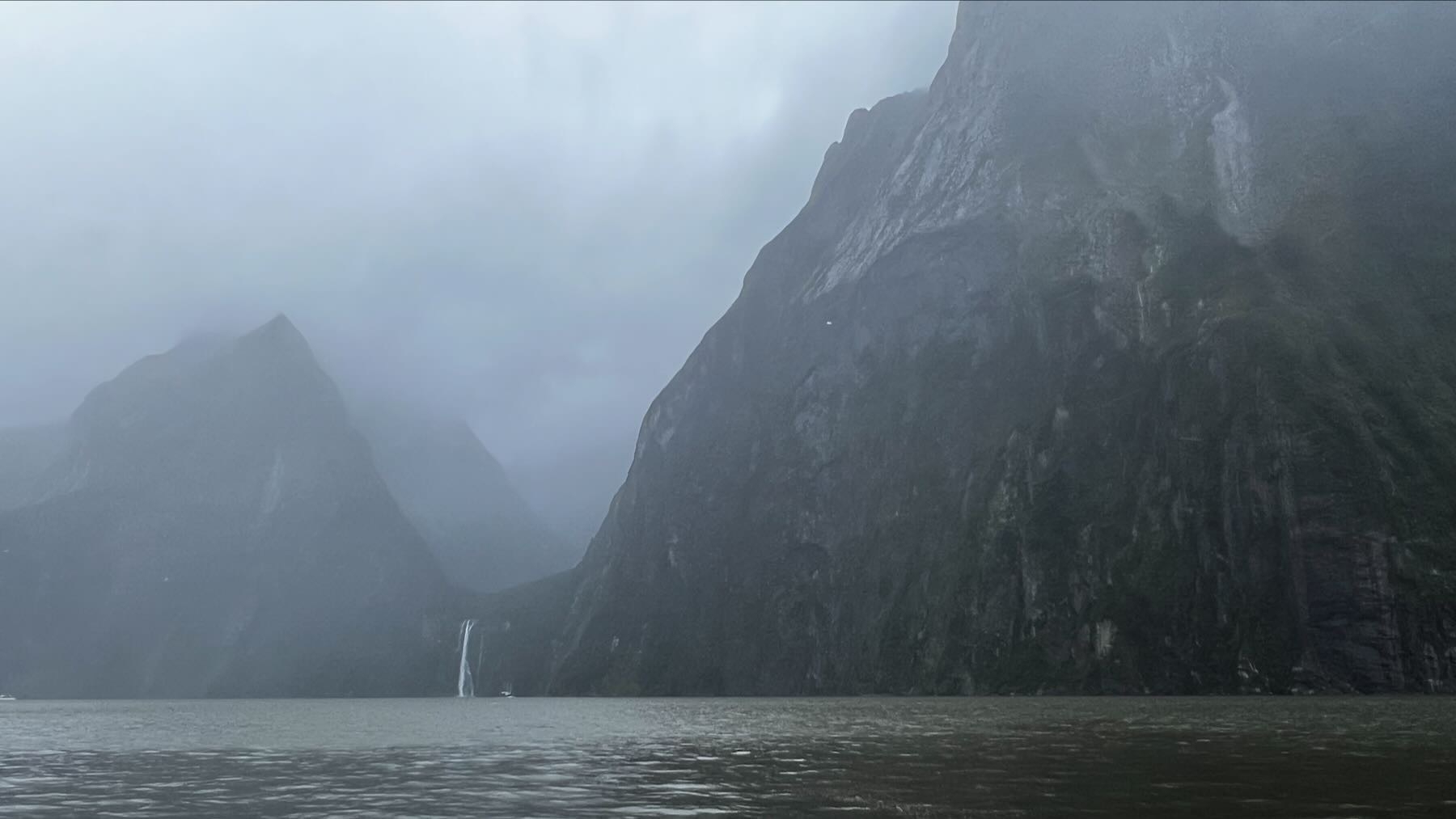
Back on 26 March 2024 we took part in a two hour cruise on Milford Sound in Fiordland, Aotearoa. Ours was the smaller boat on the left.
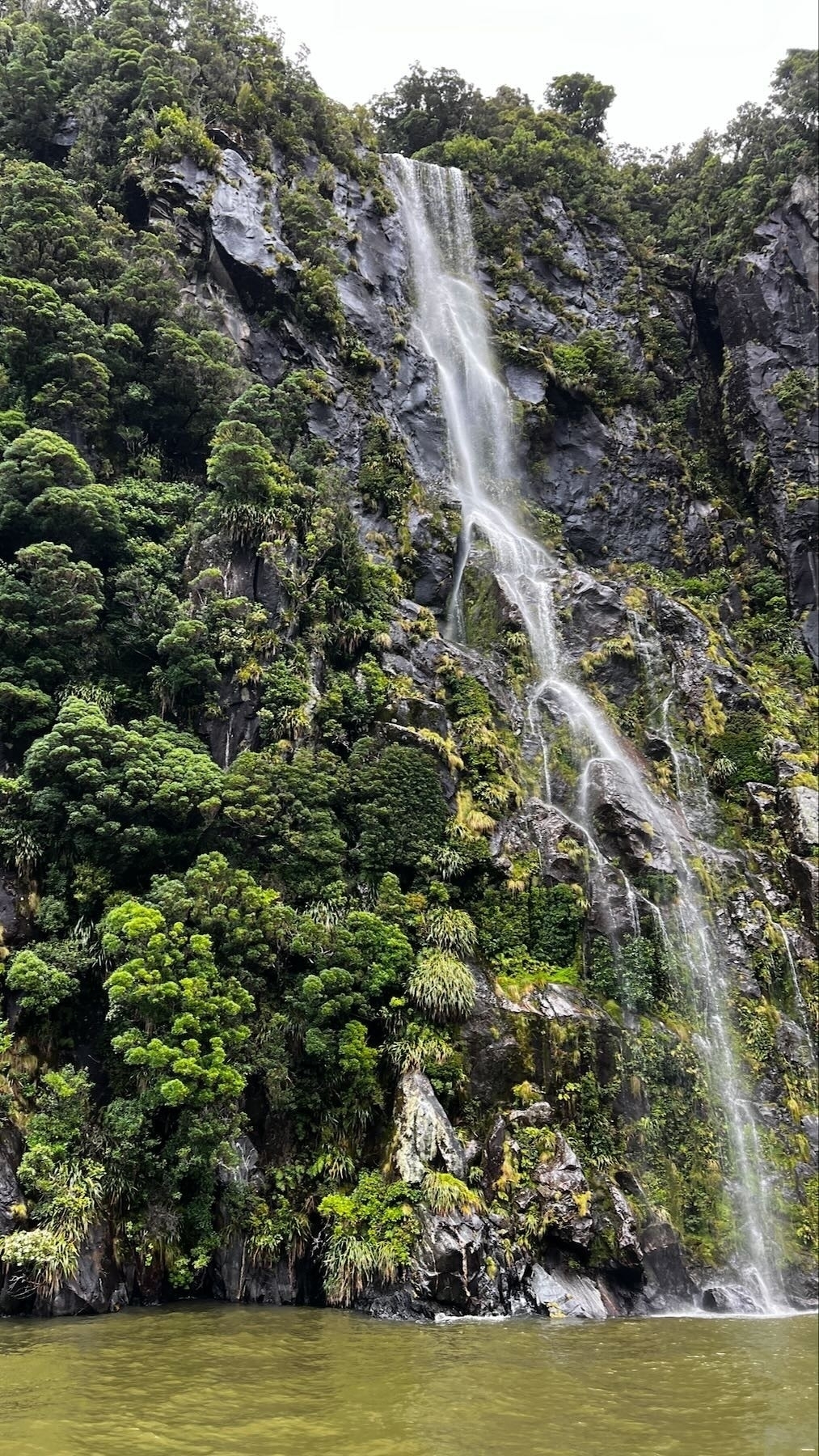
In an area that has some 7 metres (23 feet) of rainfall per year, the waterfalls are significant. You may (just) spot the boats near the bases of the falls.
I went to bed horrendously early last night. That's why it's now 0230 and I'm catching up on the Micro.Blog timeline. 😁
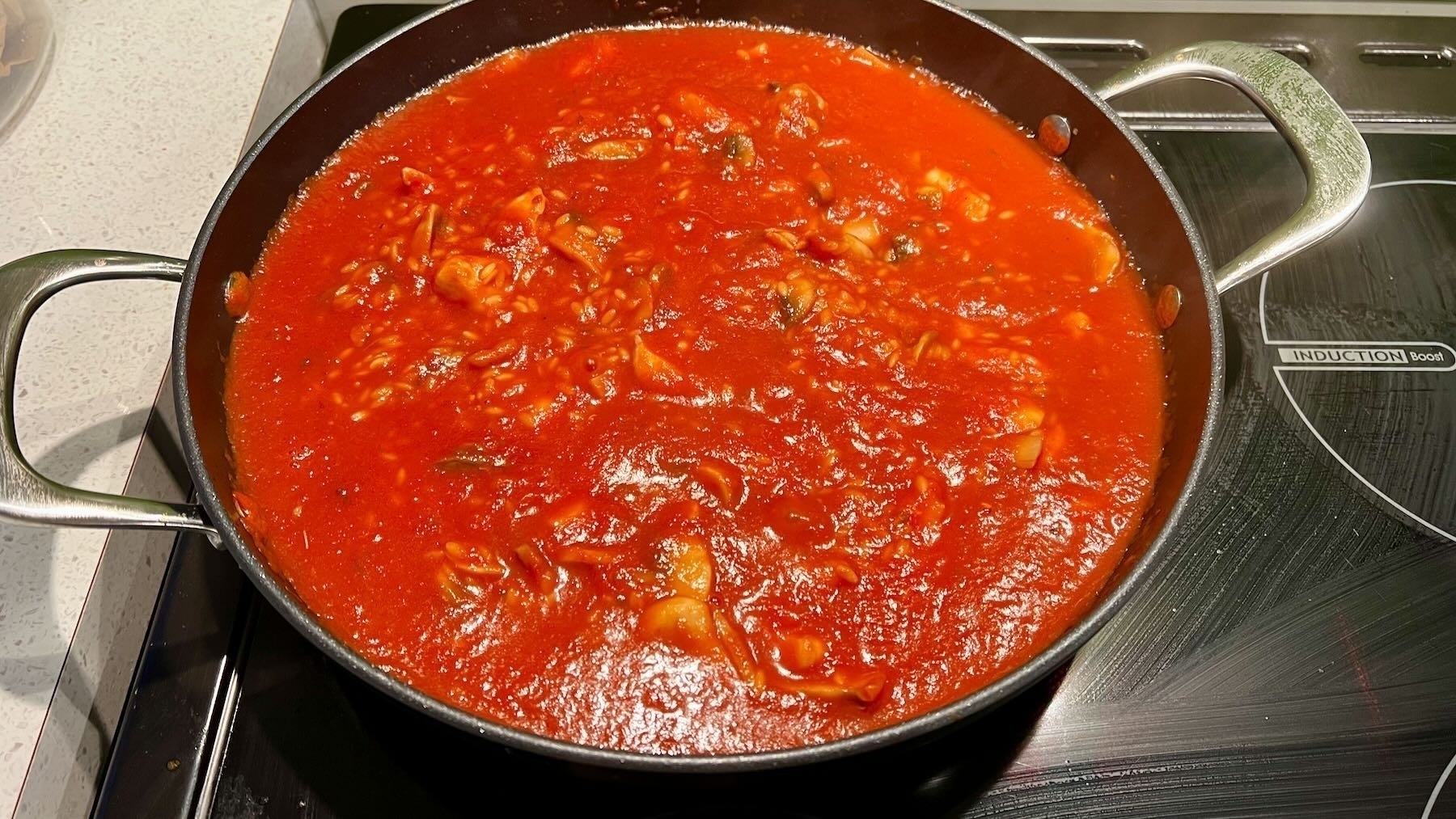
Tonight I made @alexink's Chicken Cacciatore, with a couple of modifications. This dish was new to me, but I enjoyed it.
Modifications: no onion or garlic and I switched out the red wine for a 50/50 mix of fresh lemon juice and water. I also added a tablespoon of sugar as I found it a bit tart.
The Globe and Mail has Cryptic Crosswords. I'm so out of practice with them! It's taken me a day or two to get back into the swing. So nice to have a good challenge though!

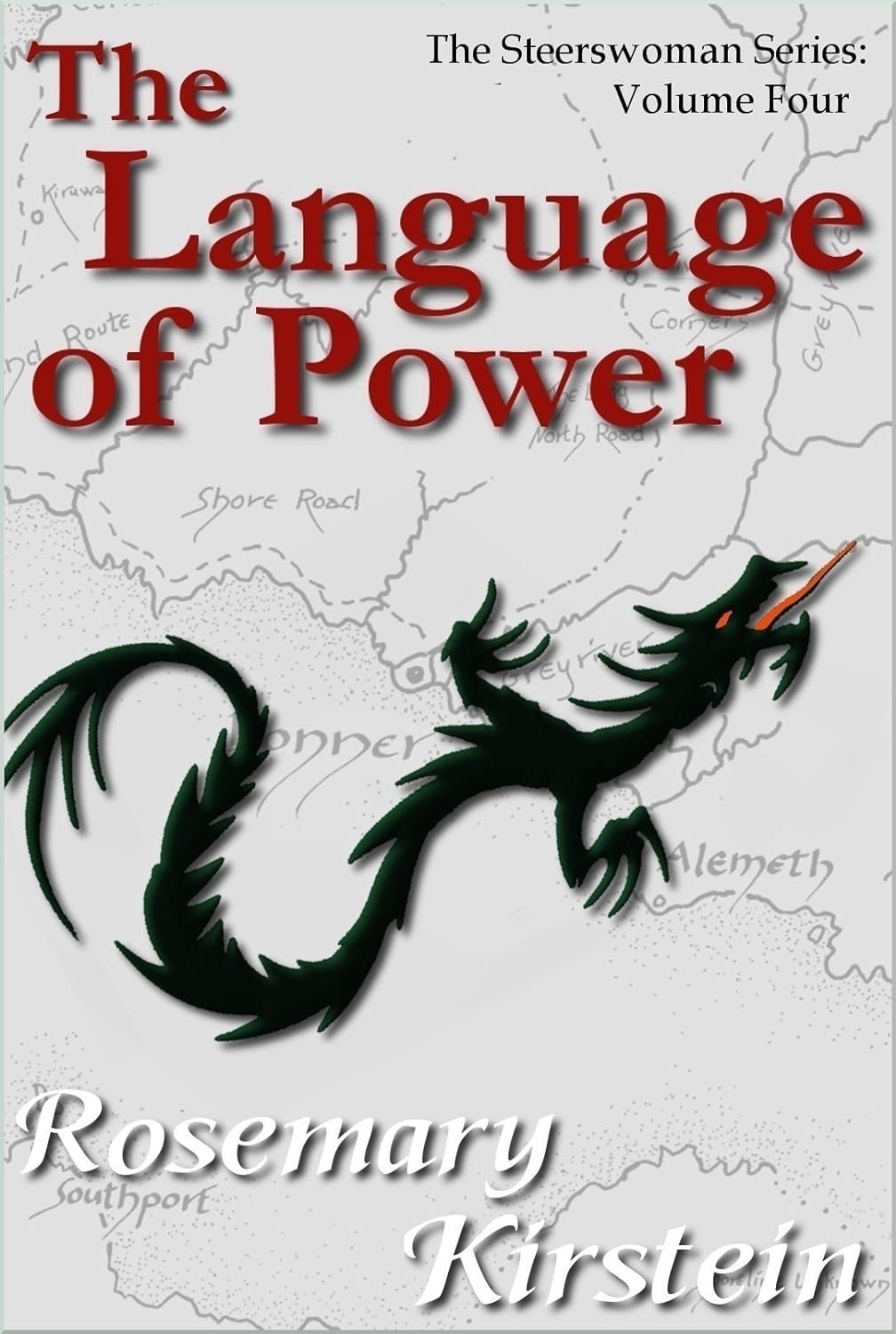
Can't wait now for Book 5! — The Language of Power (Steerswoman Series Book 4) by Rosemary Kirstein was another excellent read, bringing our heroes closer to their goal. 📚
The Steerswoman teases out some important discoveries that help on her quest.
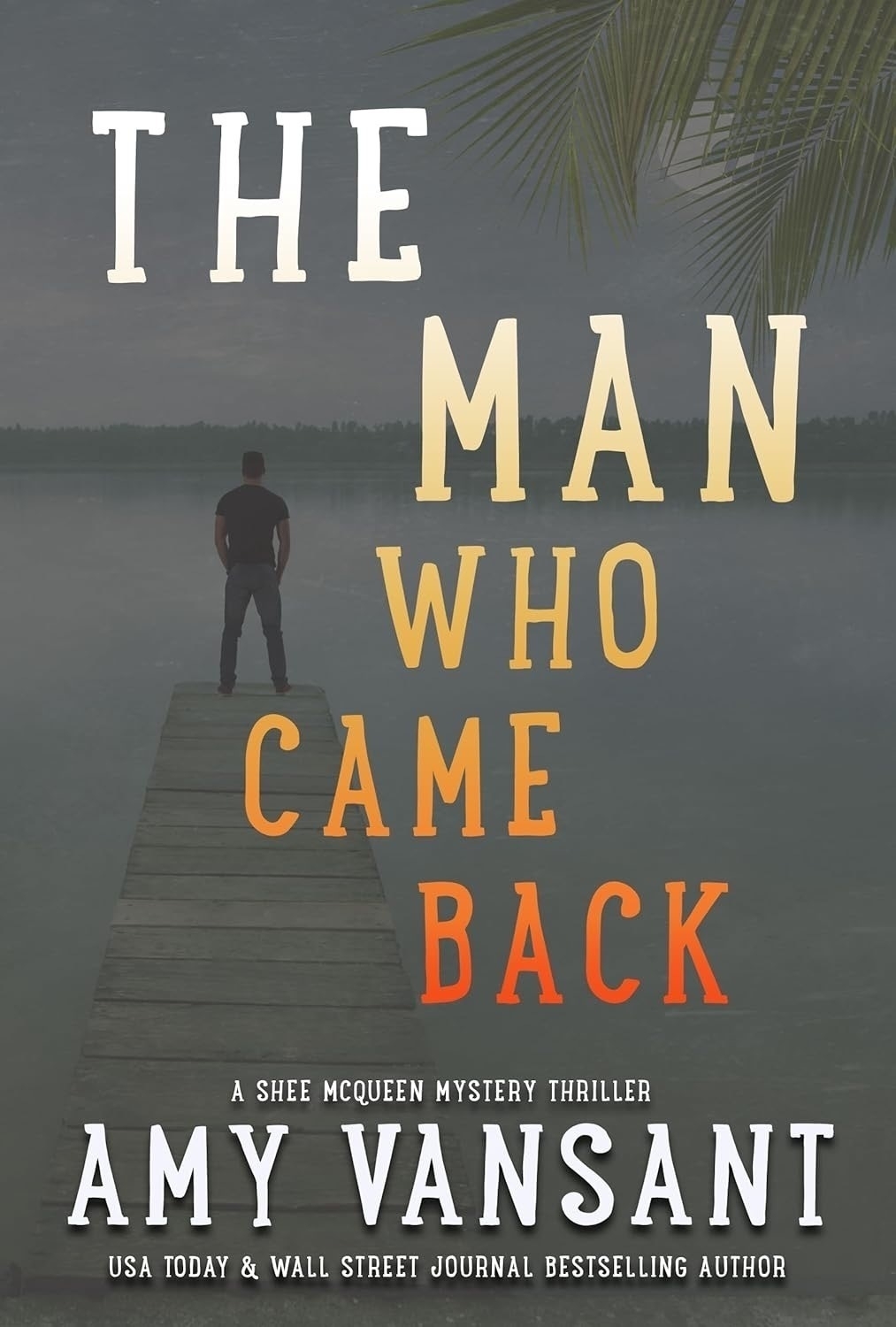
The latest in a series I enjoy — The Man Who Came Back (The Shee McQueen Mystery Thriller Series Book 7) by Amy Vansant was another enjoyable read 📚:
Mason’s fellow retired SEAL buddy, Arturo, invites him and Shee to his Florida lake house for the weekend. … Clues lead them to an underwater cavern … and a chemical smuggling ring
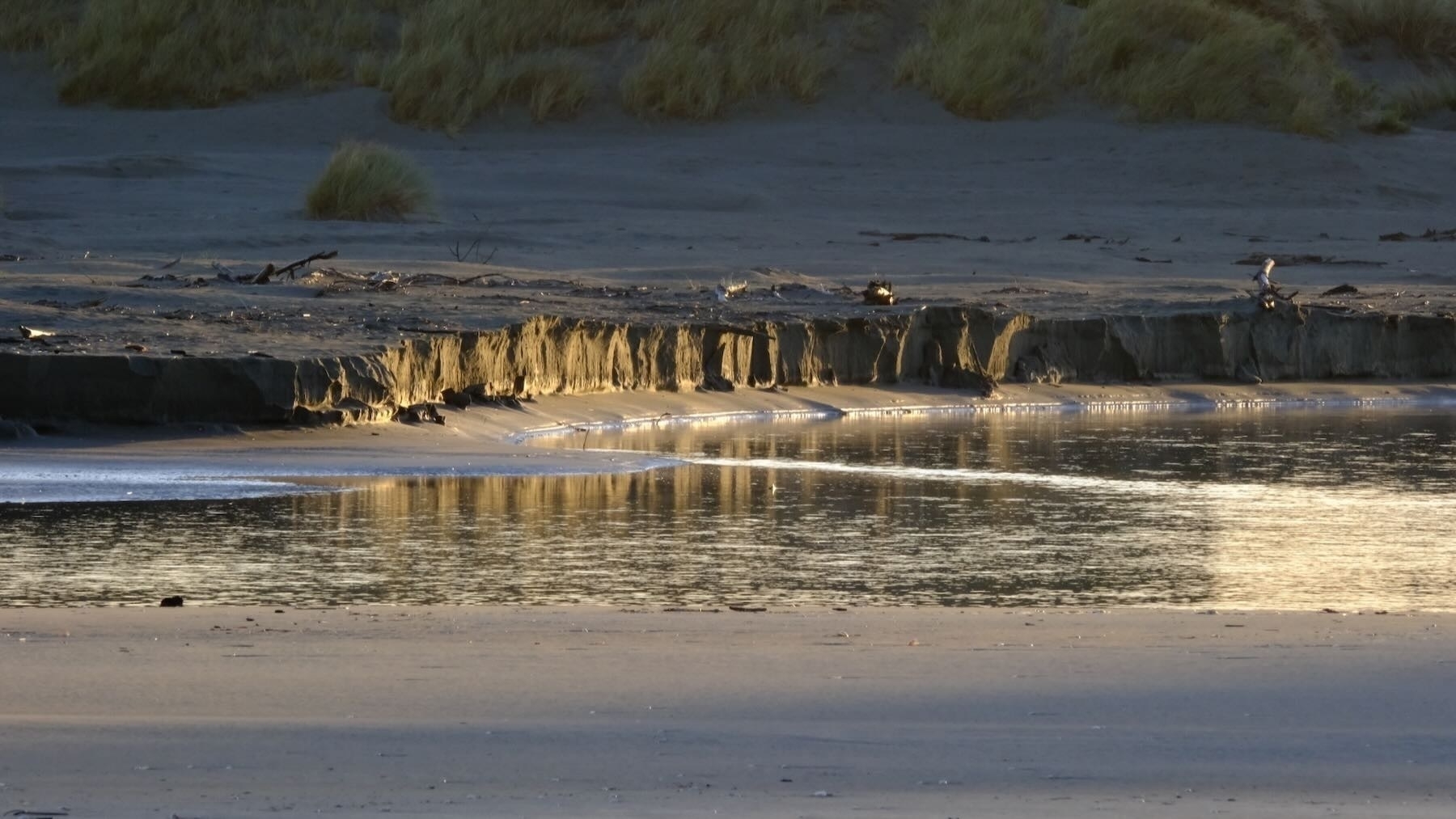
Soon after sunrise today this sand 'cliff' was lit by a shaft of sunlight and reflections from the water. The cliff is probably less than a metre high and was formed by the river carving out the sand.
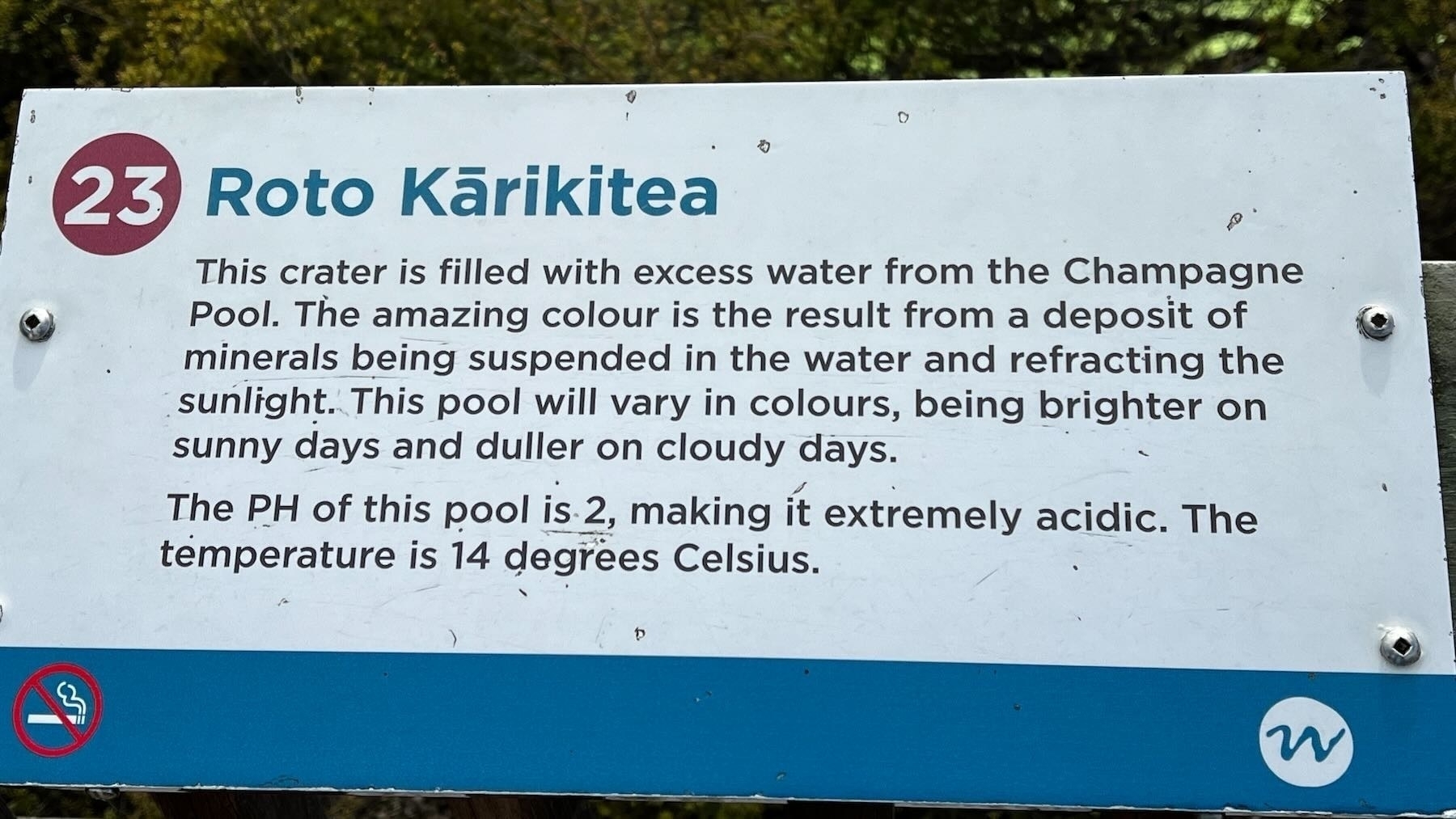
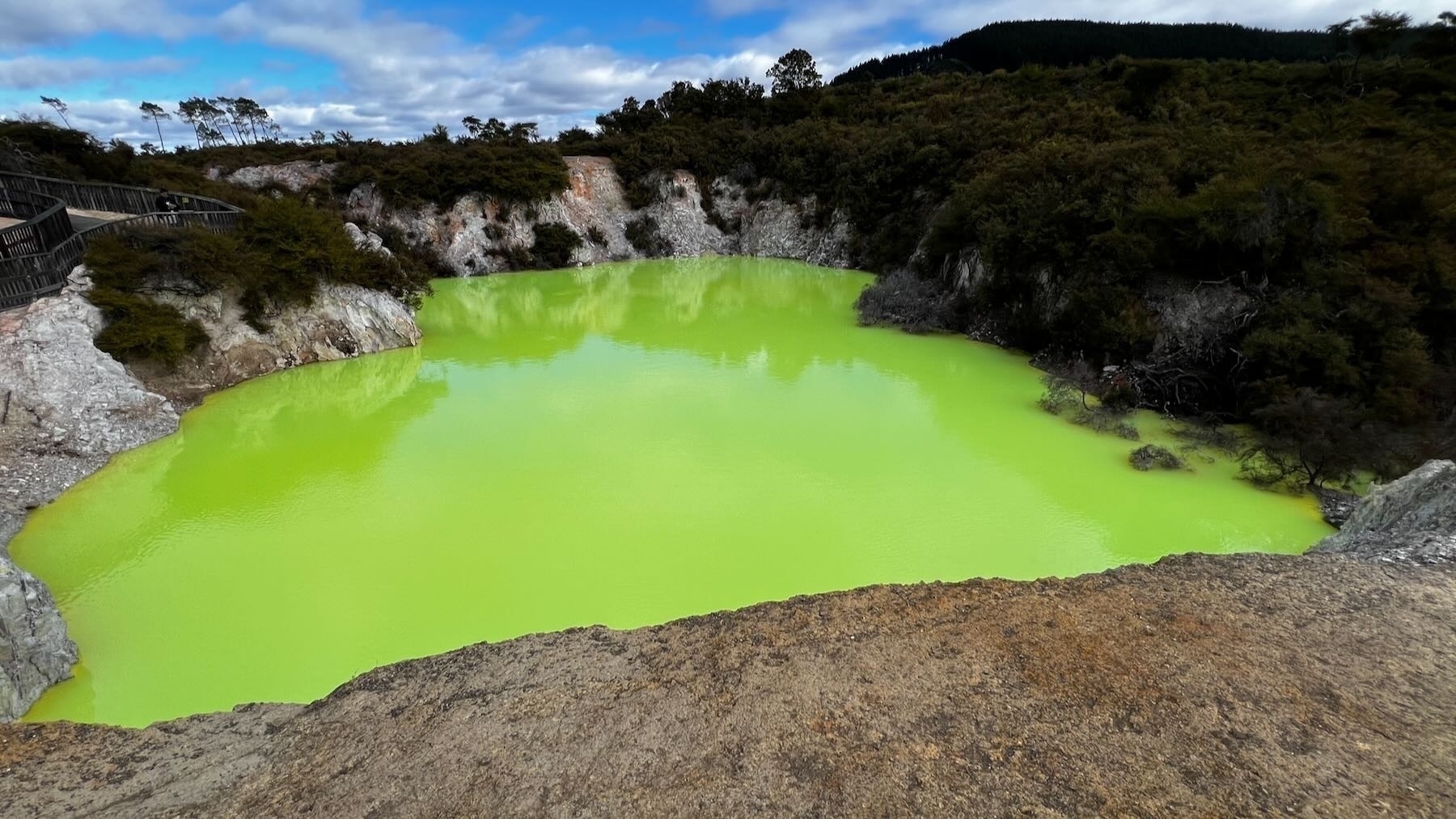
Pretty much the last sight at Wai o Tapu is one of the most spectacular: an almost fluorescent green / yellow lake, Roto Kārikitea.
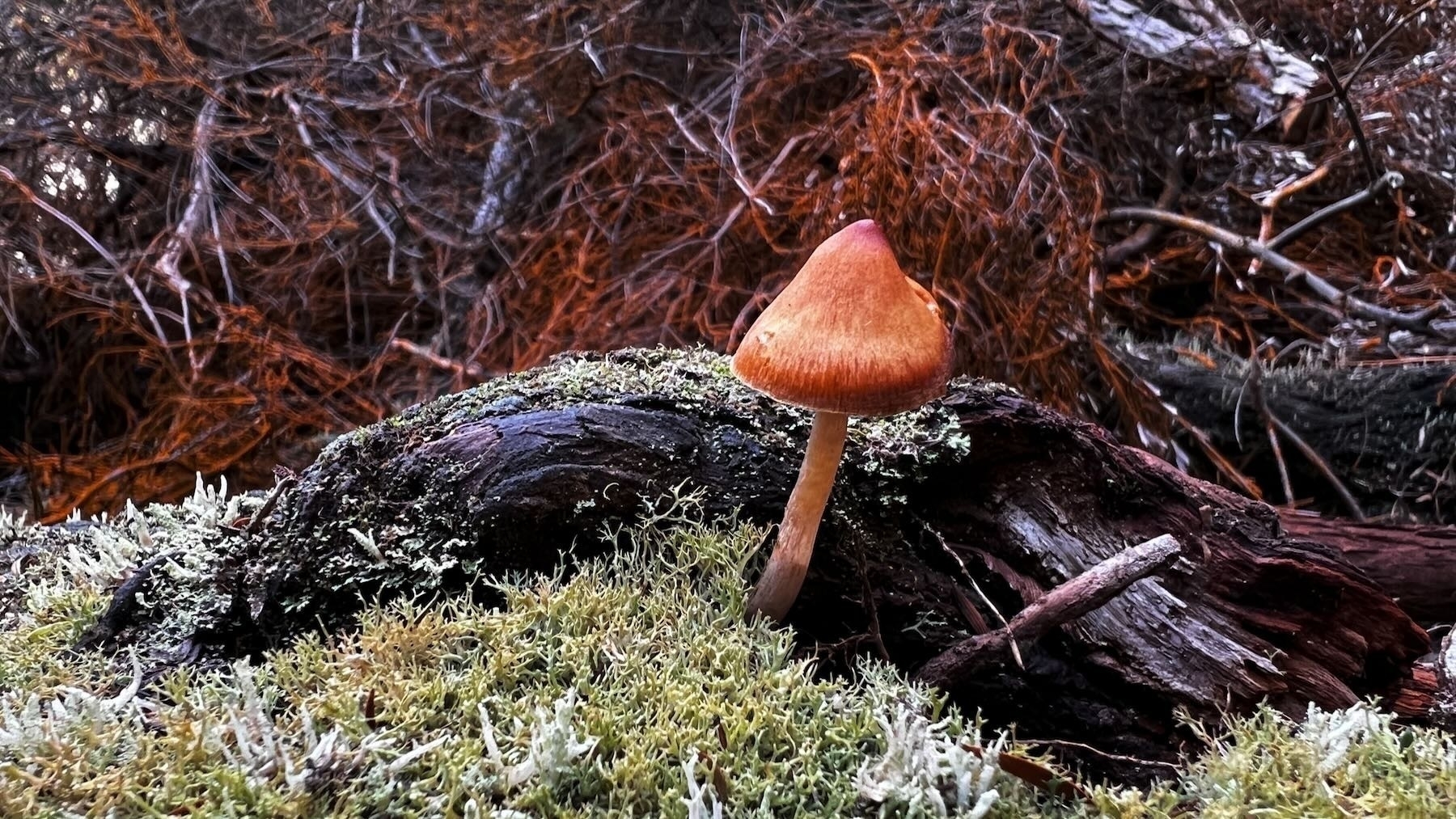
A favourite on my walk: this lone chestnut coloured fungus. It was the only fungus I noticed on the whole walk.
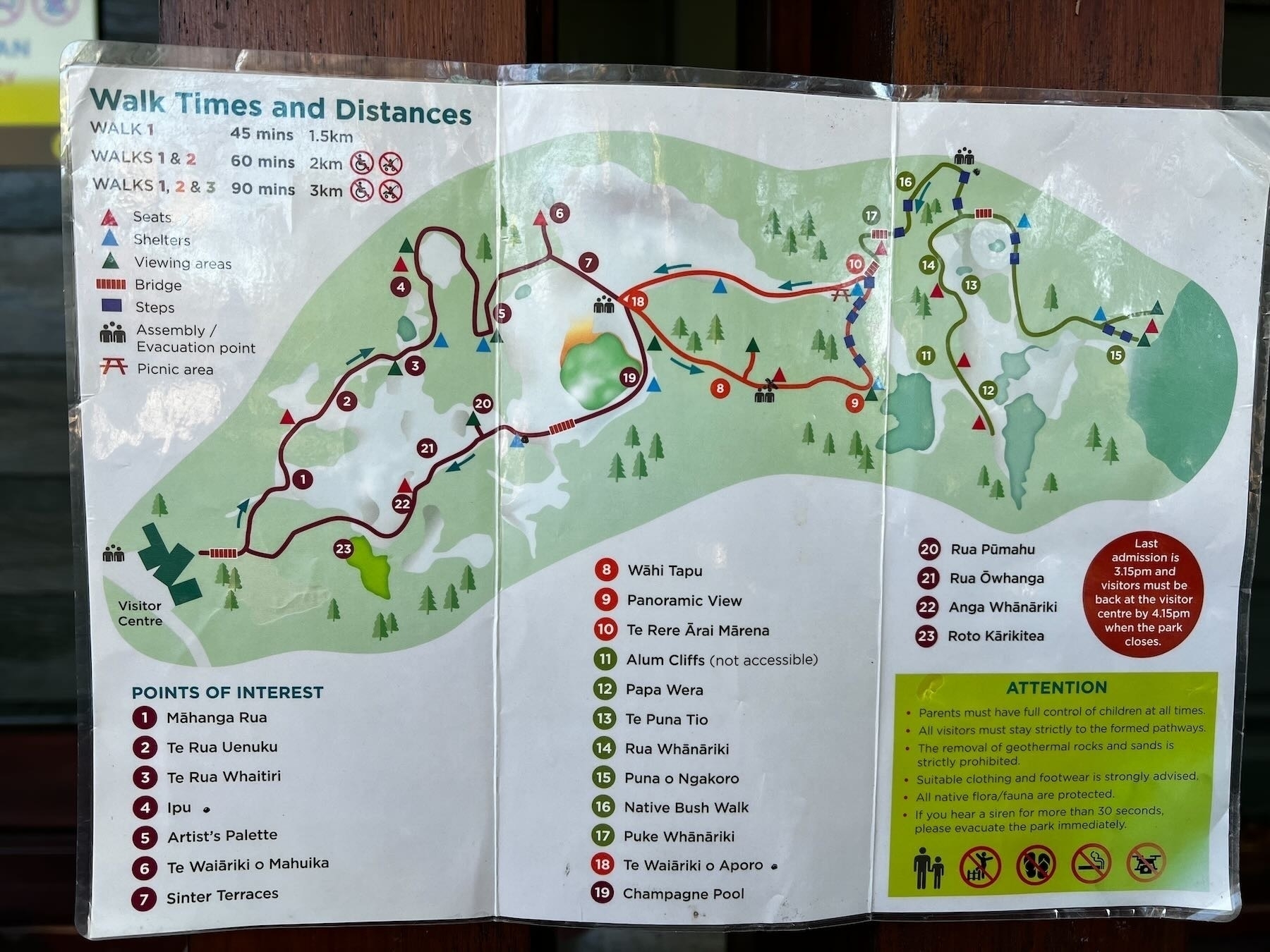
The 'green' walk was the furthest and hardest at Wai o Tapu, with so many stairs. My calves were sore for days!
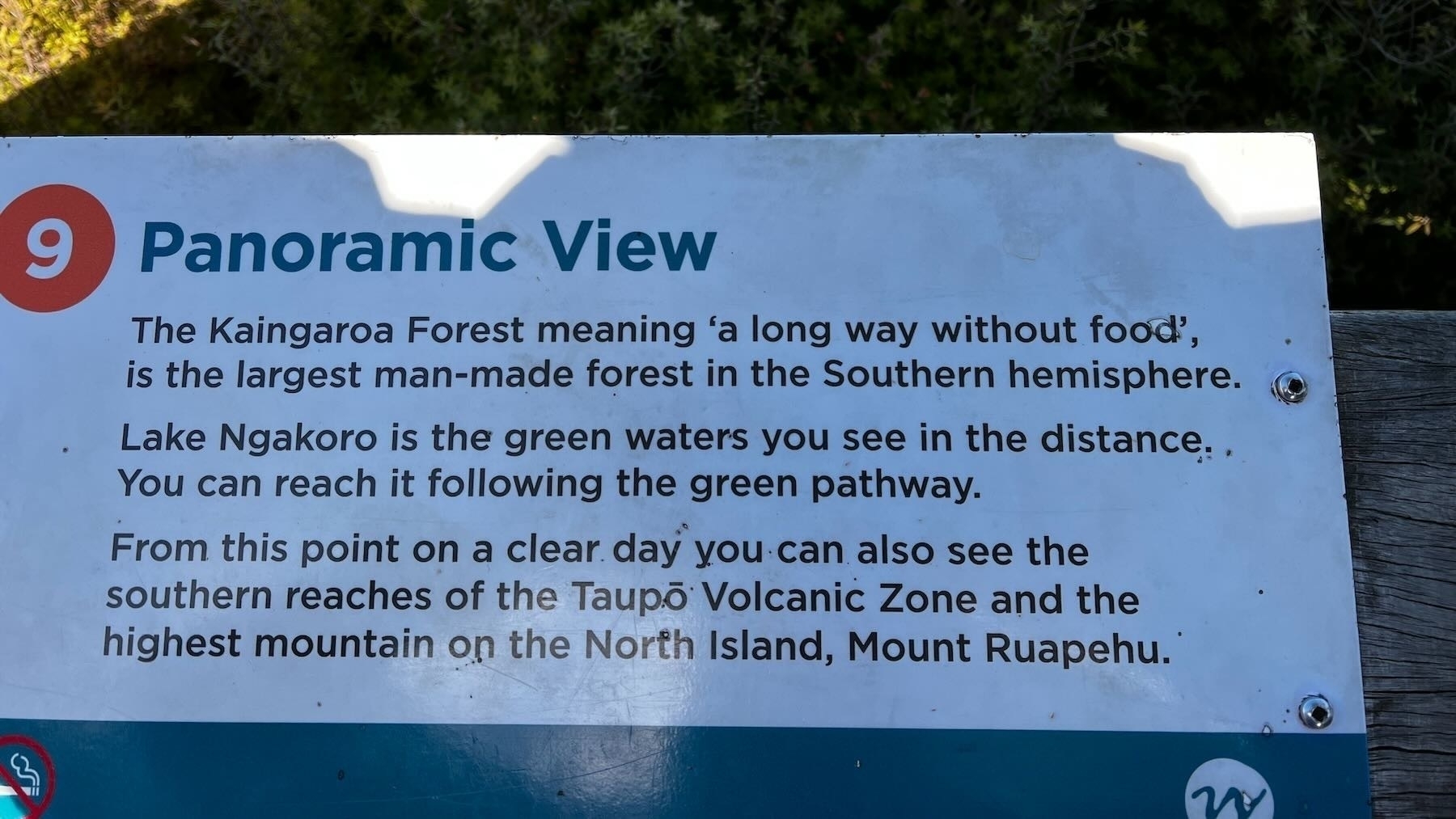
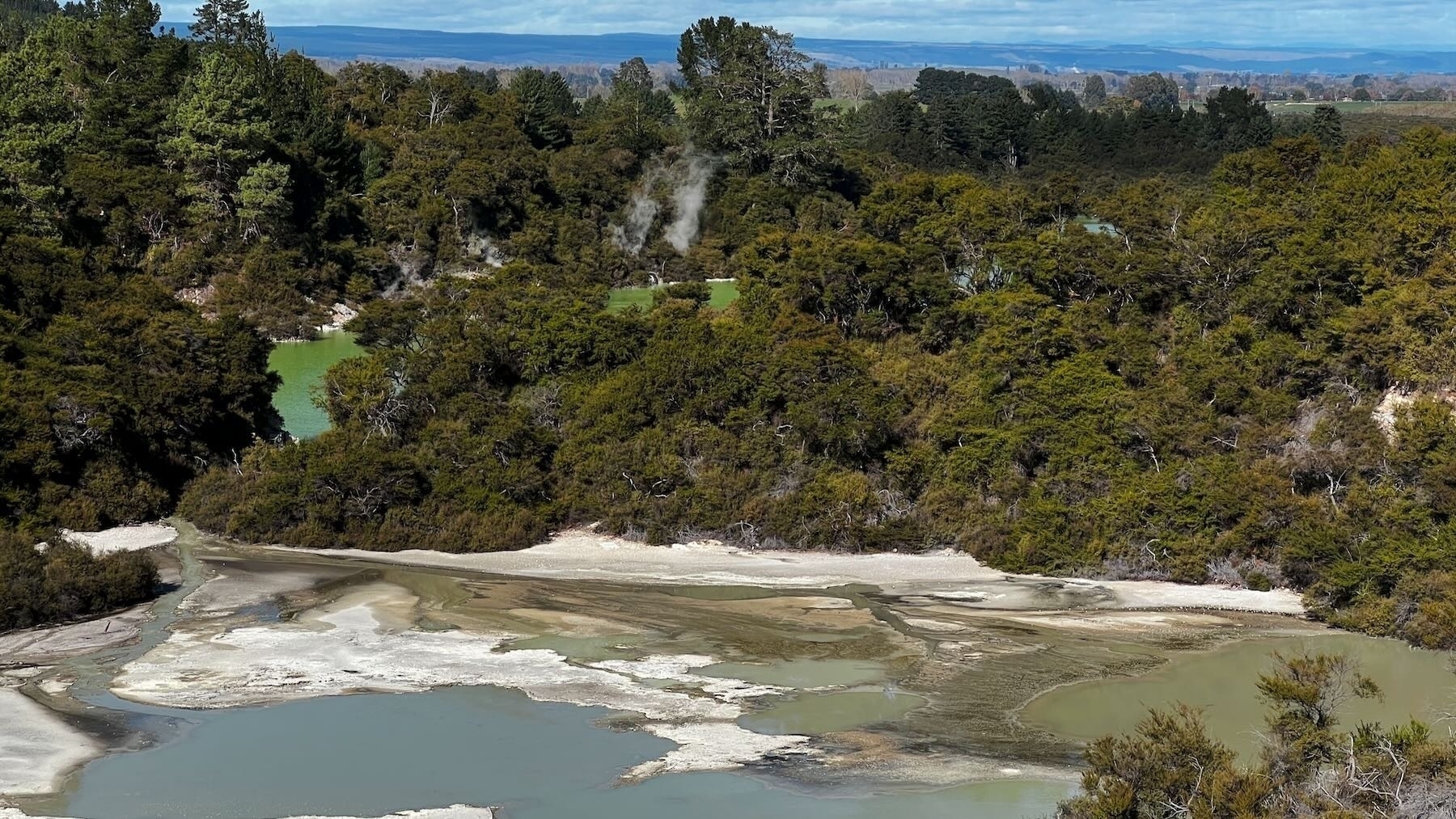
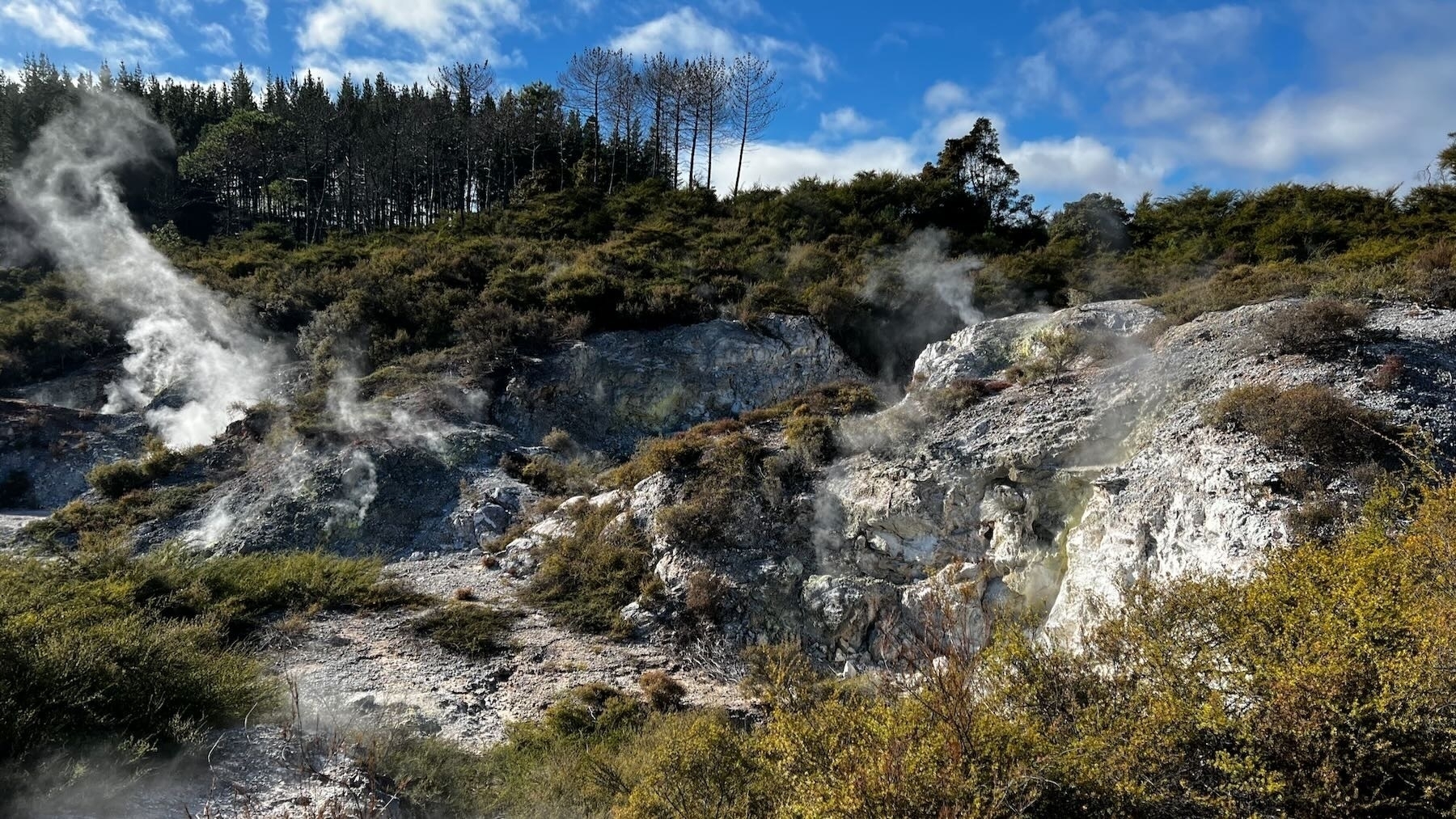
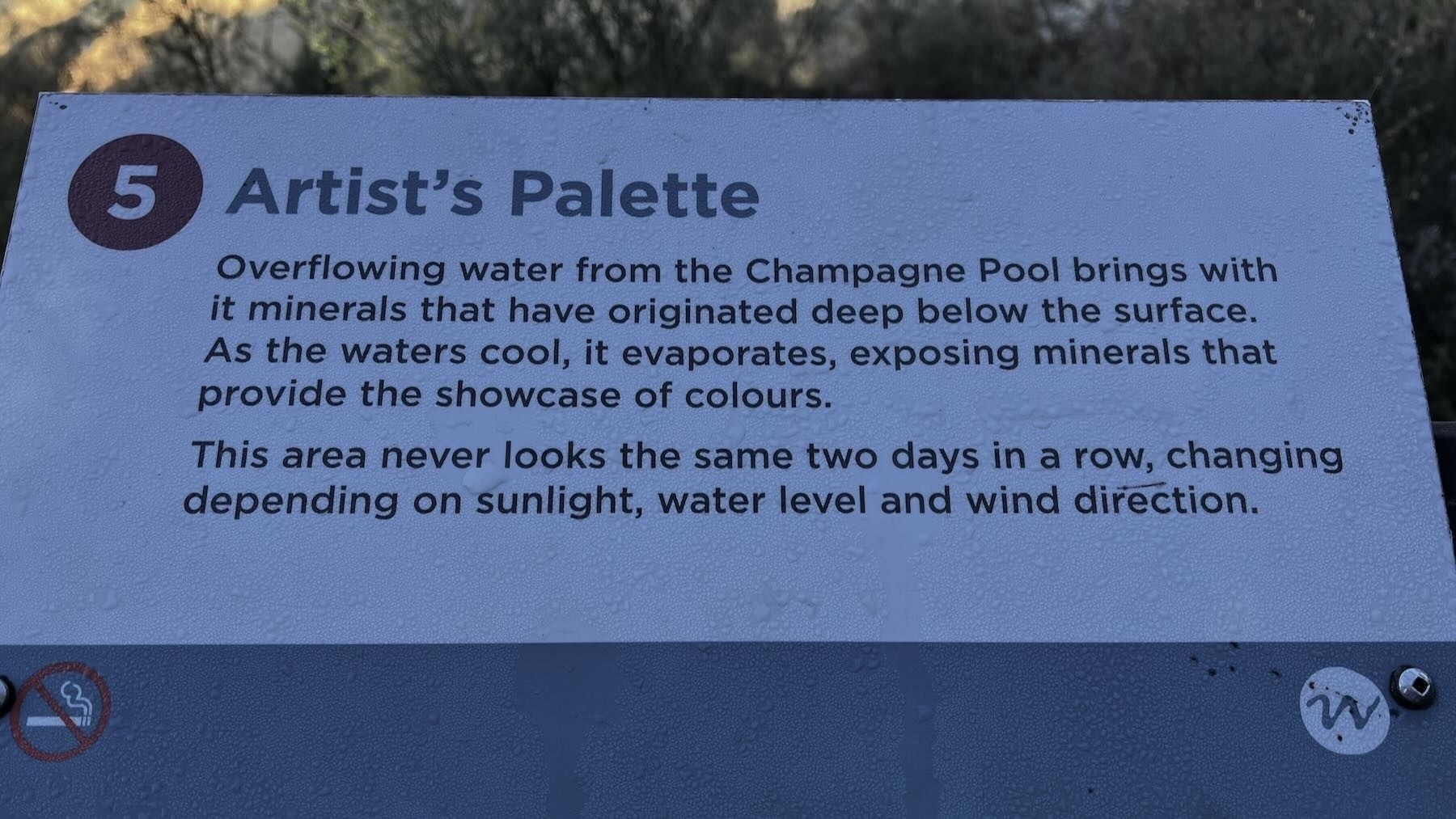
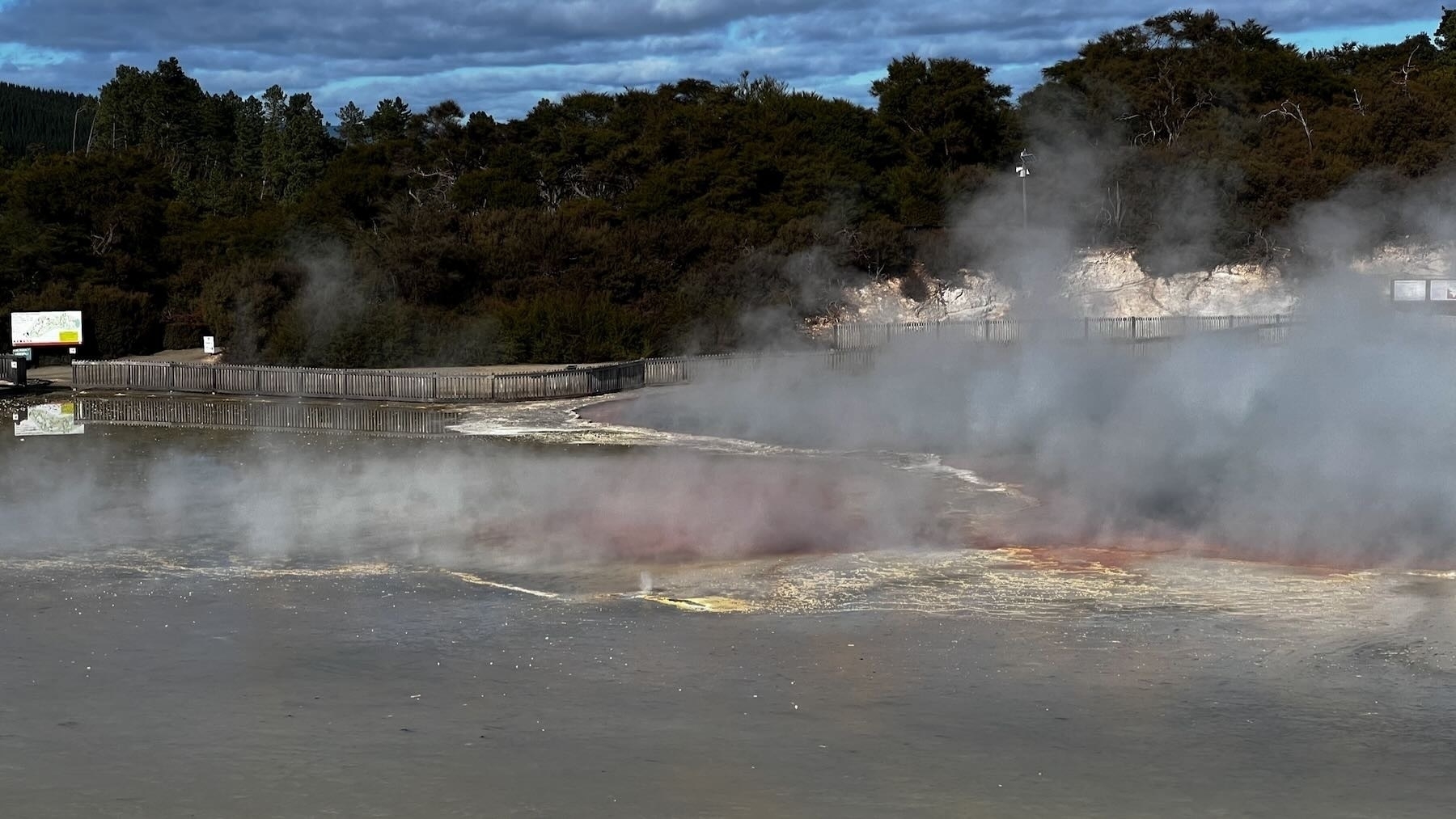
At Wai o Tapu the Artist's Palette certainly had water and steam aplenty. I could see a red colour around the edges.
Hmmm. Guess the gender of the CHAT GPT personality — Introducing GPT-4o:
24:46: BARRETT ZOPH: The reason I'm in a good mood is we are doing a presentation showcasing how useful and amazing you are.
24:50: CHAT GPT: Oh stop it, you're making me blush.
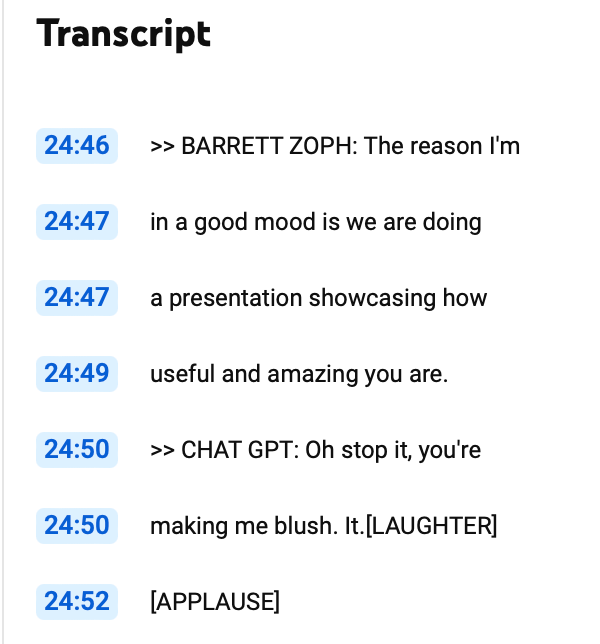
The push towards stereotypes …
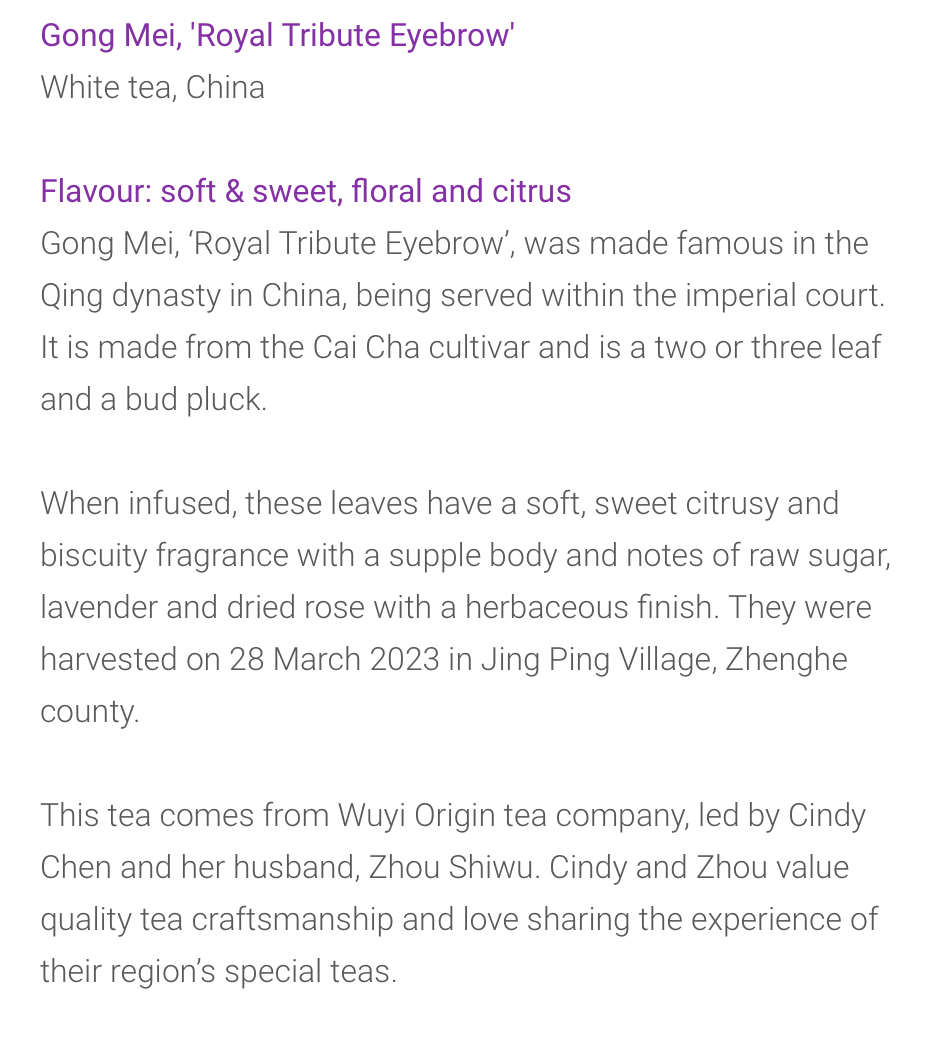
This morning's Gong Mei, 'Royal Tribute Eyebrow' white tea is perfect to start the day:
Flavour: soft & sweet, floral and citrus … made famous in the Qing dynasty in China, being served within the imperial court. It is made from the Cai Cha cultivar and is a two or three leaf and a bud pluck.
Good reminders in this 13 minute video: The #1 Most Important Exposure Rule You Should Follow, and How You Can Apply it in Your Photography by Dan Bailey.
Yesterday, after our few days away, I was absolutely wiped out — had zero energy, was so sleepy. I just went with it.
Today I've been a domestic powerhouse: washed and dried two loads of laundry, made a batch of muesli, made beef stew, washed dishes. I also went for a bike ride / beach walk. 🤠
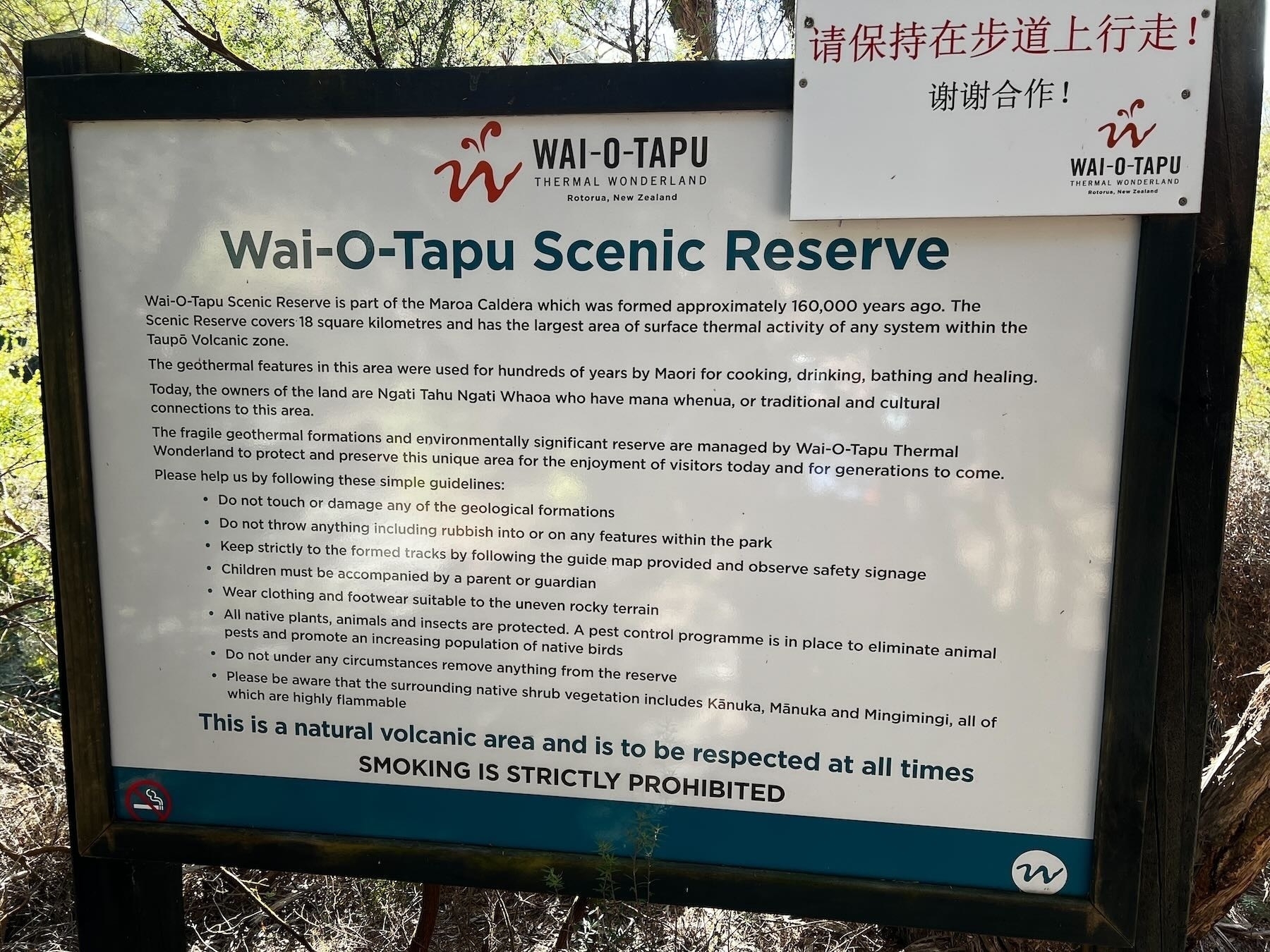
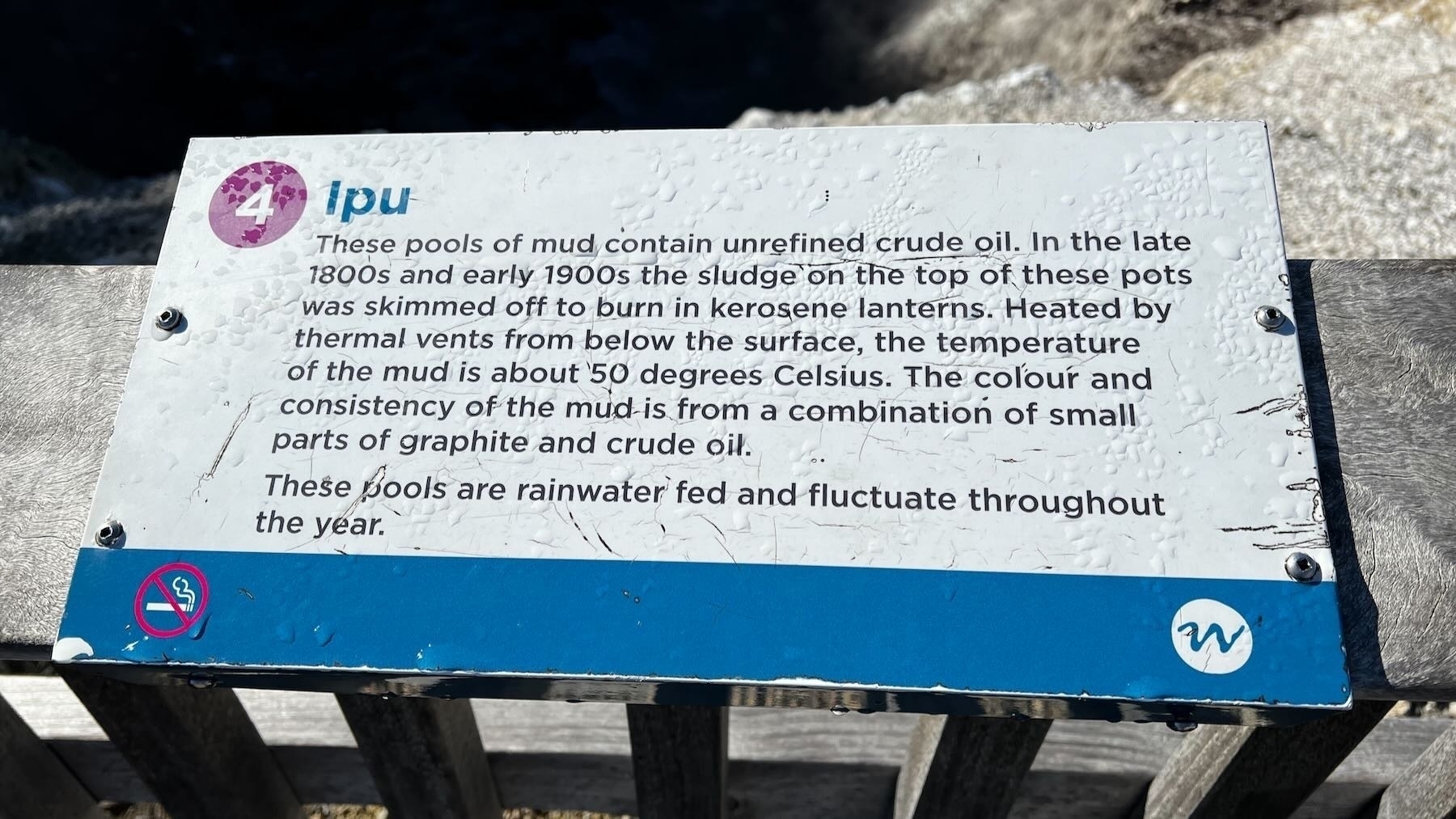
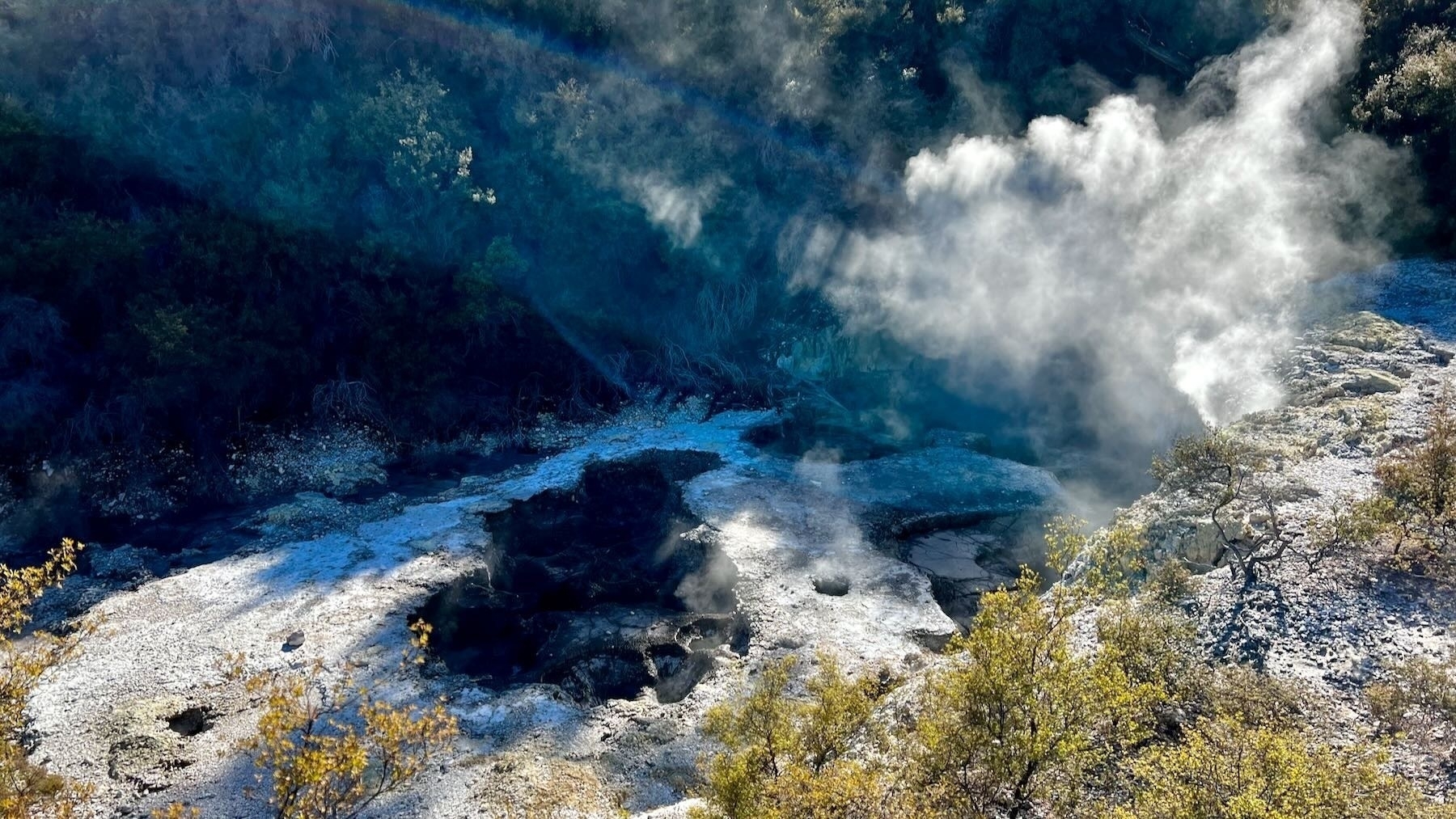
A couple of days ago I visited Wai-O-Tapu Thermal Wonderland. It was a warm sunny day after a cold start, and the skies were mainly clear blue. I did all 3 walks — there were many steps on tracks 2 and 3.