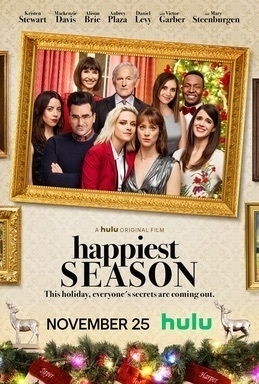
We really enjoyed the movie Happiest Season 🏳️🌈:
the film follows a woman who struggles to come out to her conservative parents while she and her girlfriend visit them during Christmas.
the film is a semi-autobiographical take on [Duvall’s] own experiences with her family.
I need to remember this: Not to capture but to create
— The Power of Abbreviation in Photography:
A tutorial on why you should abbreviate your scenes and invite your viewer to fill in the blanks and imagine the rest of the story.
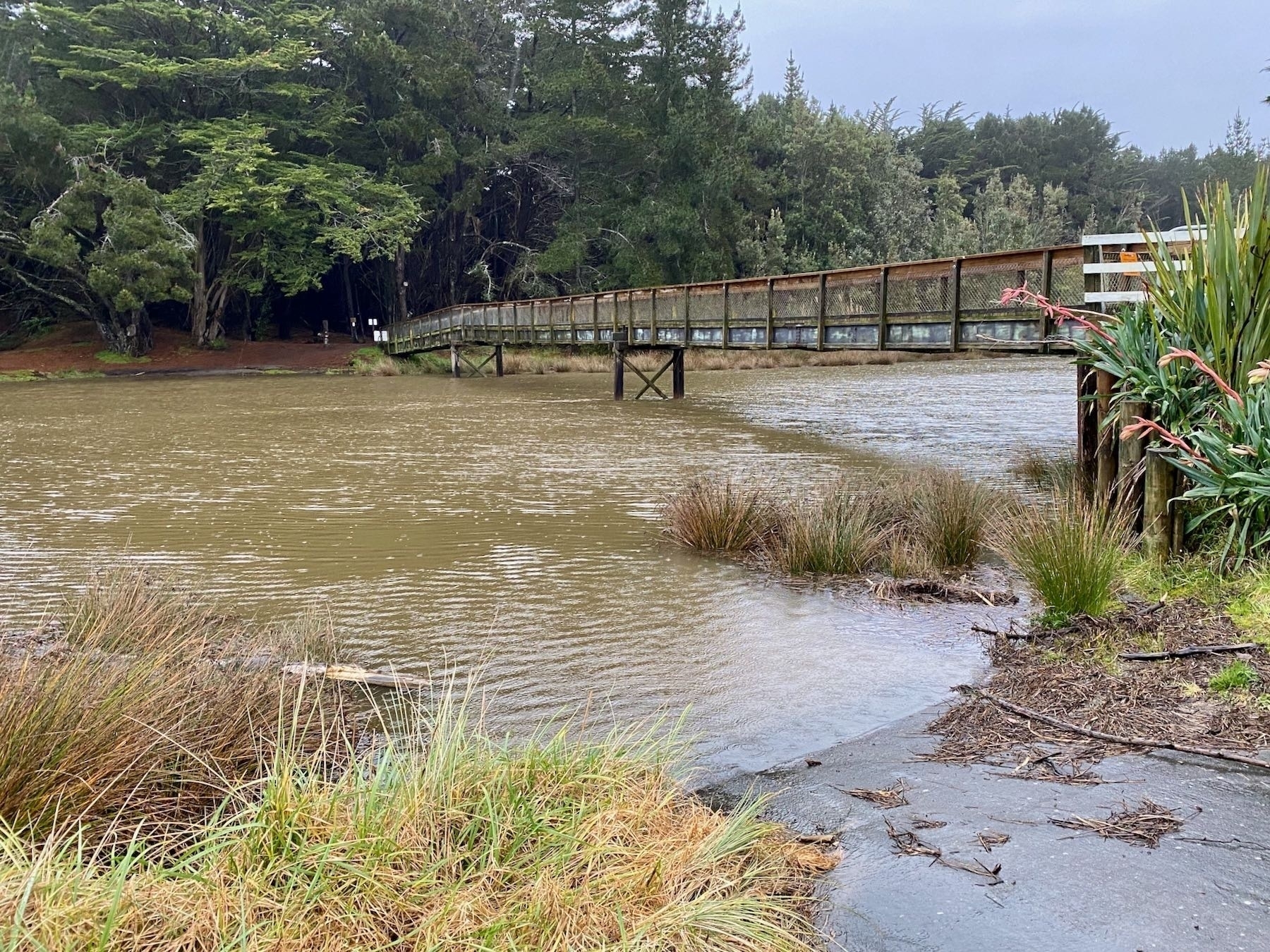
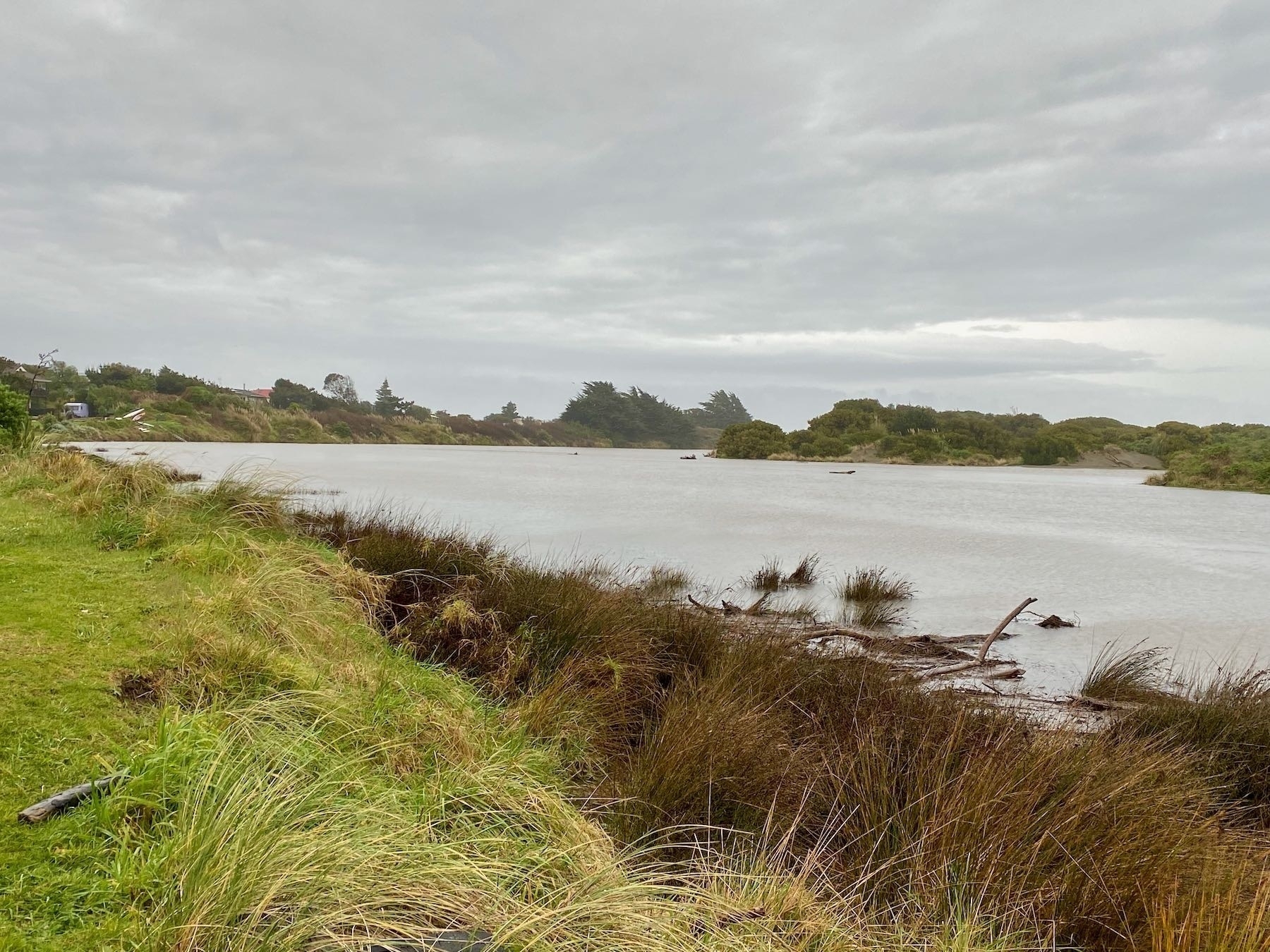
We’ve had 20mm rain today down here at Waikawa Beach at the coast. I imagine that up in the hills there’s been a great deal more. There’s a lot of water about in the paddocks and on the sides of the road.
The river is very full and flowing fairly strongly.
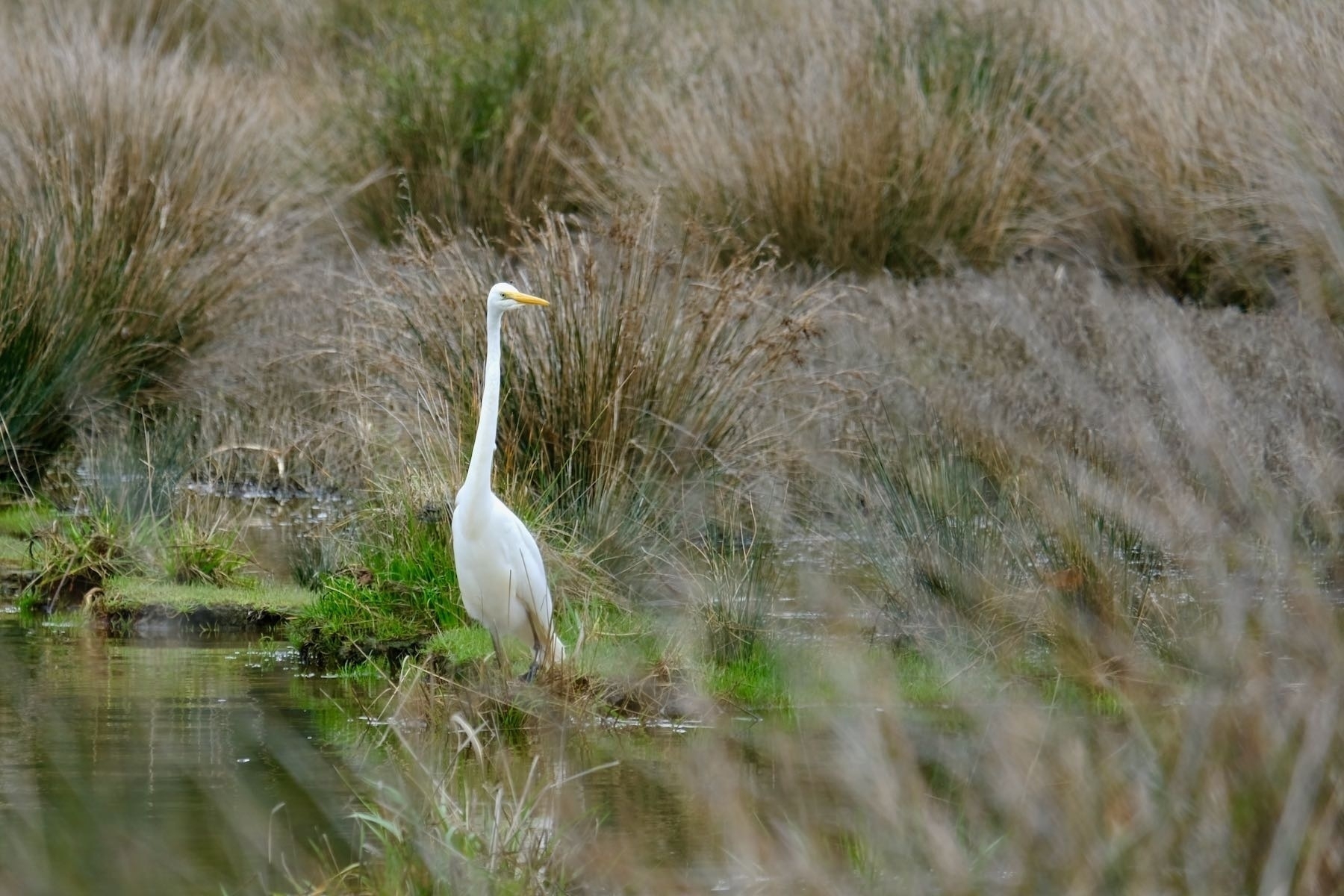
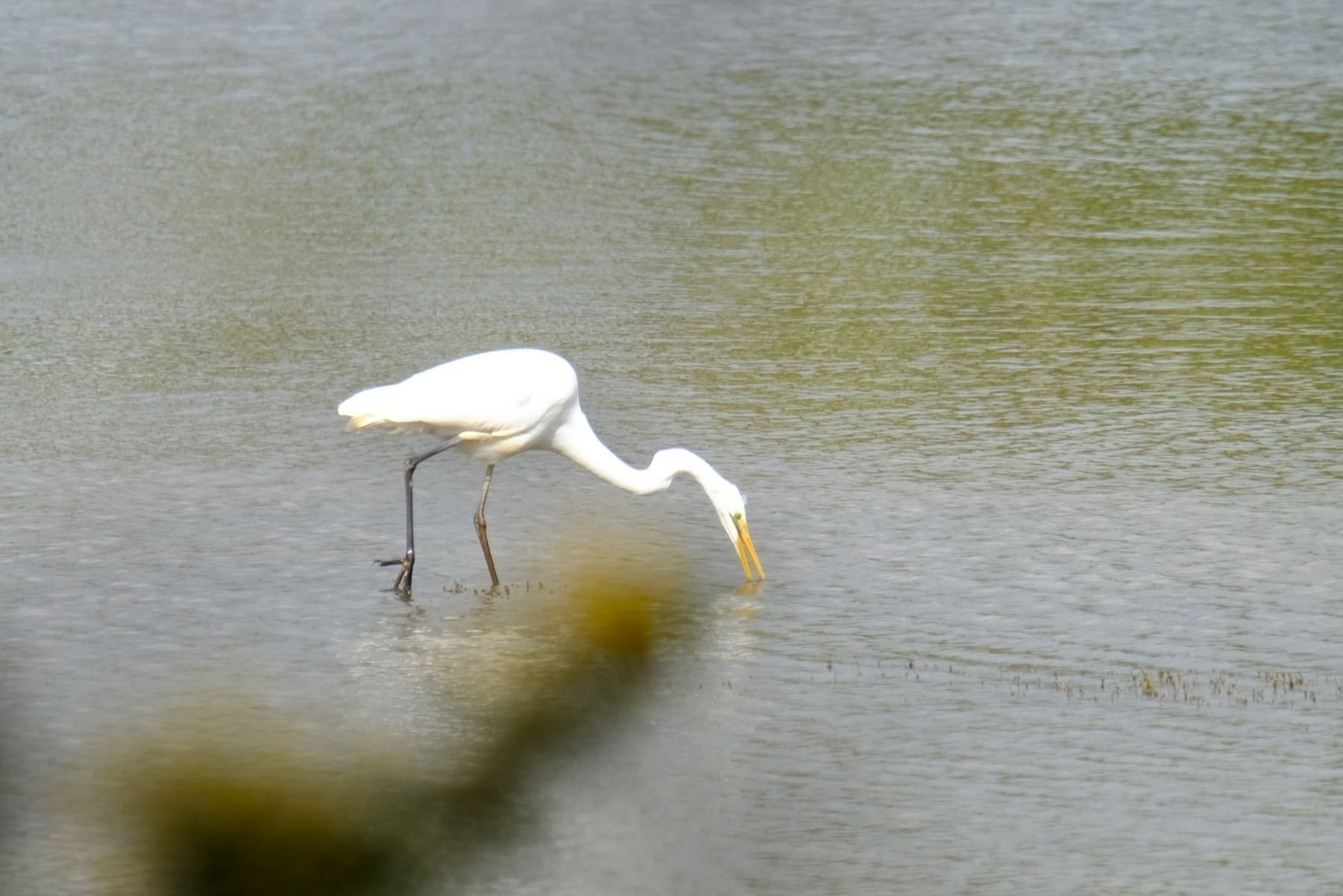
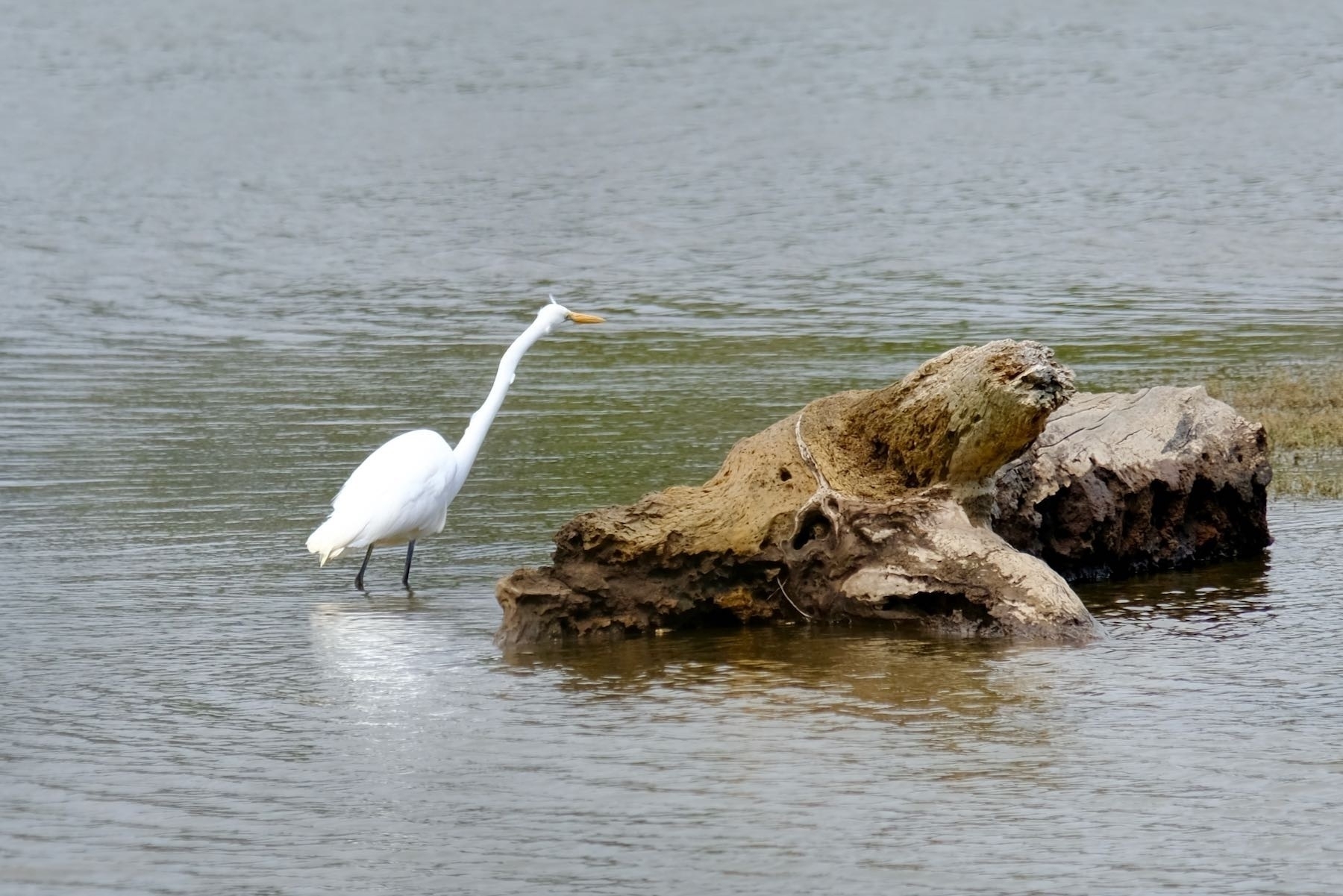
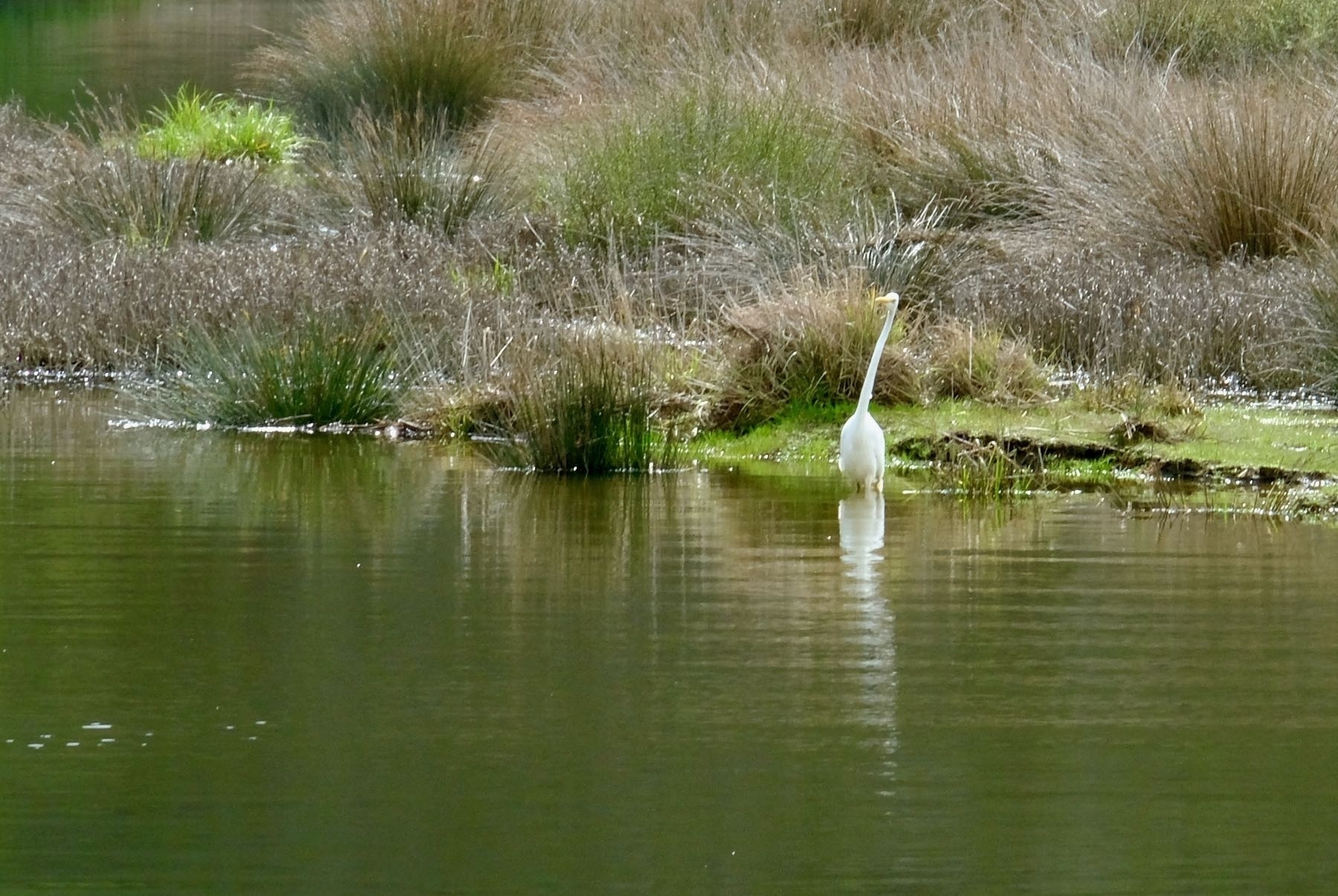
There are only about 150-200 Kotuku, White herons in Aotearoa New Zealand and they are rarely seen beyond their breeding ground on the South Island. Miraculously there has been one at Waikawa Beach for a couple of days. Today I took photos of this magnificent bird.
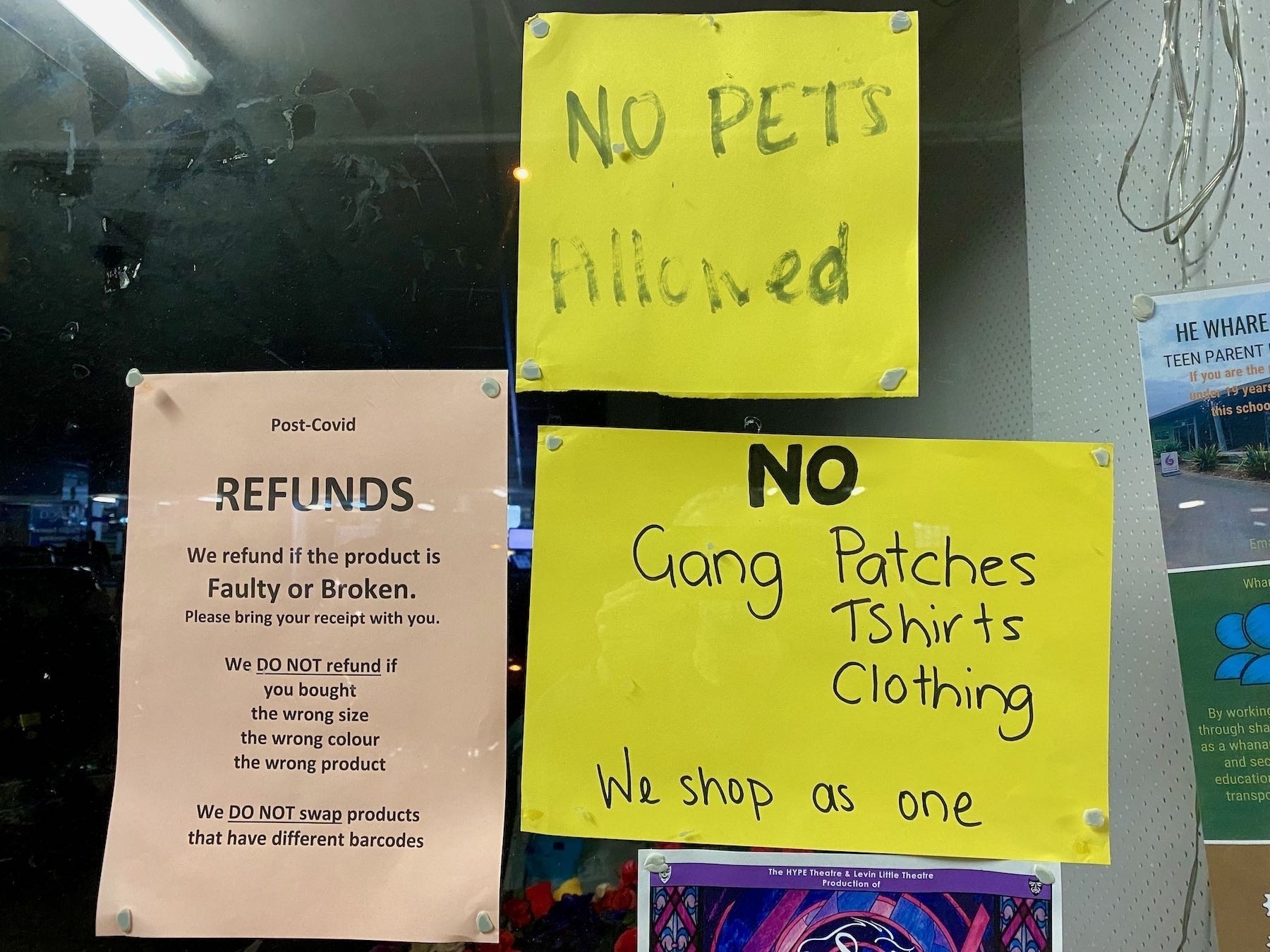
On a shop window we passed last night — no clothing? 😳
Happy that one of my favourite podcasts is back from summer break: Quirks & Quarks with Bob McDonald | CBC Radio:
presents the people behind the latest in science … also examines political, social, environmental and ethical implications of developments in science and tech.
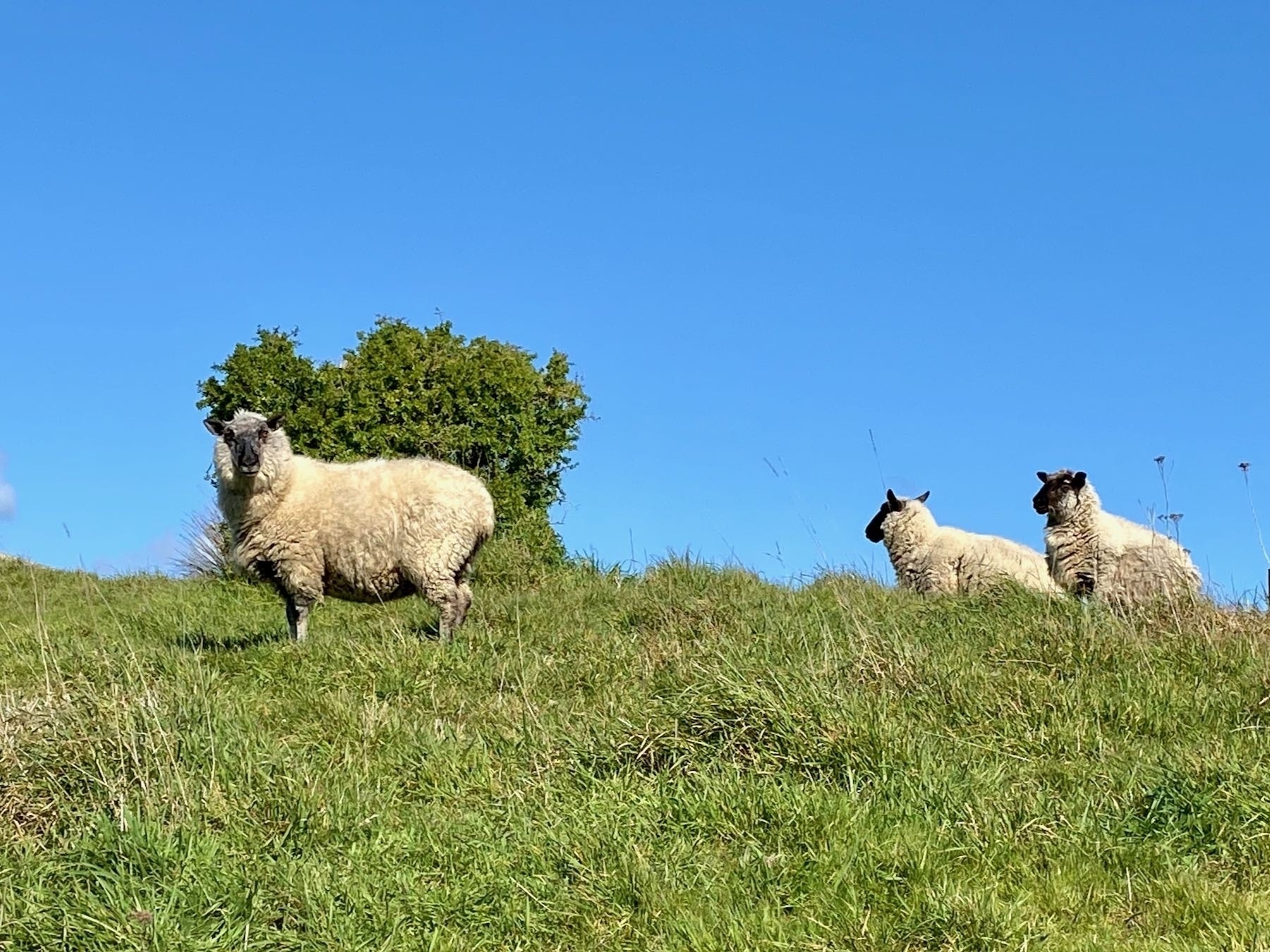
When I was a kid Aotearoa New Zealand had 3 million people and 60 million sheep. Now we have 5 million people and dairying has replaced most of the sheep farms. A neighbour has 4 or 5 sheep on his property though. 🐑
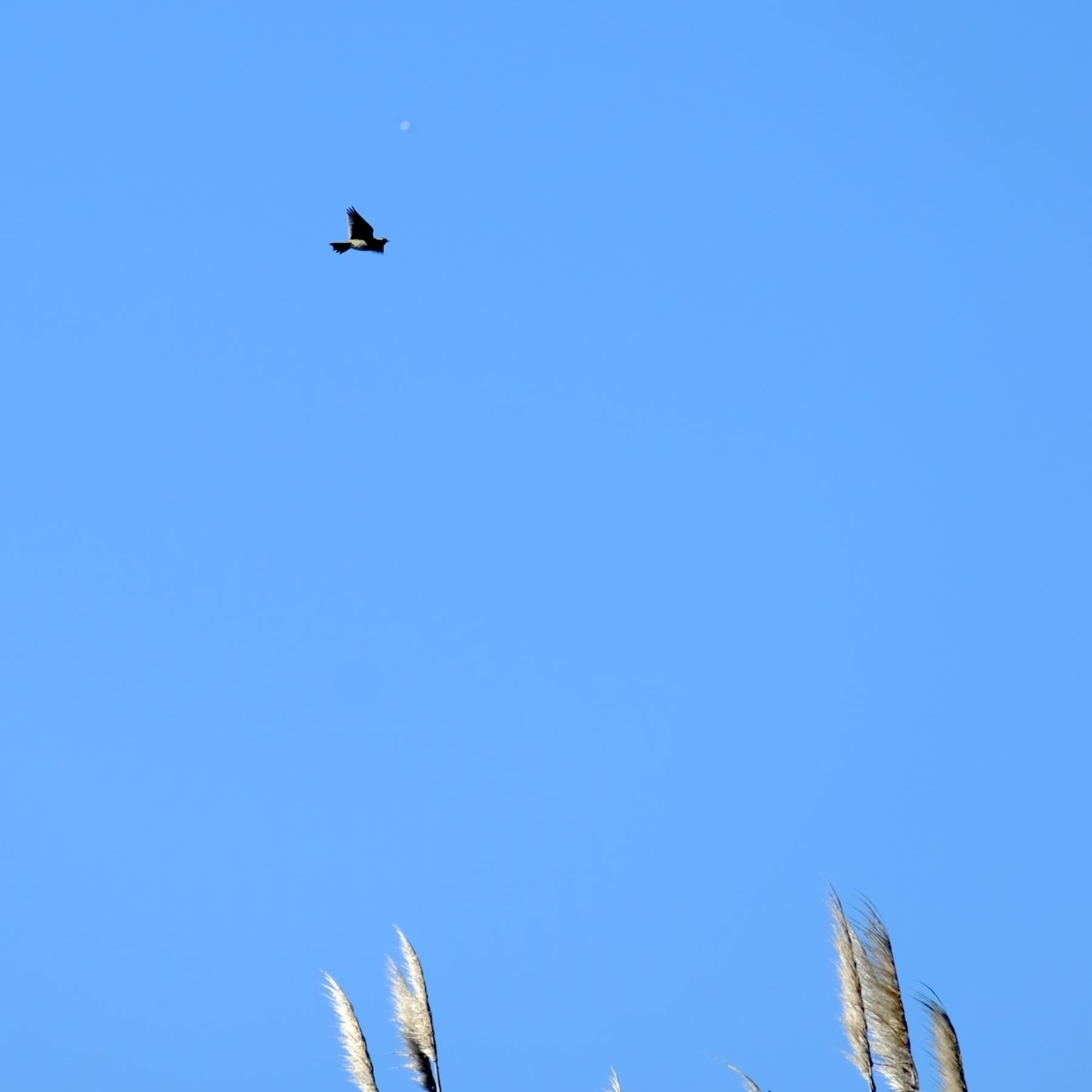
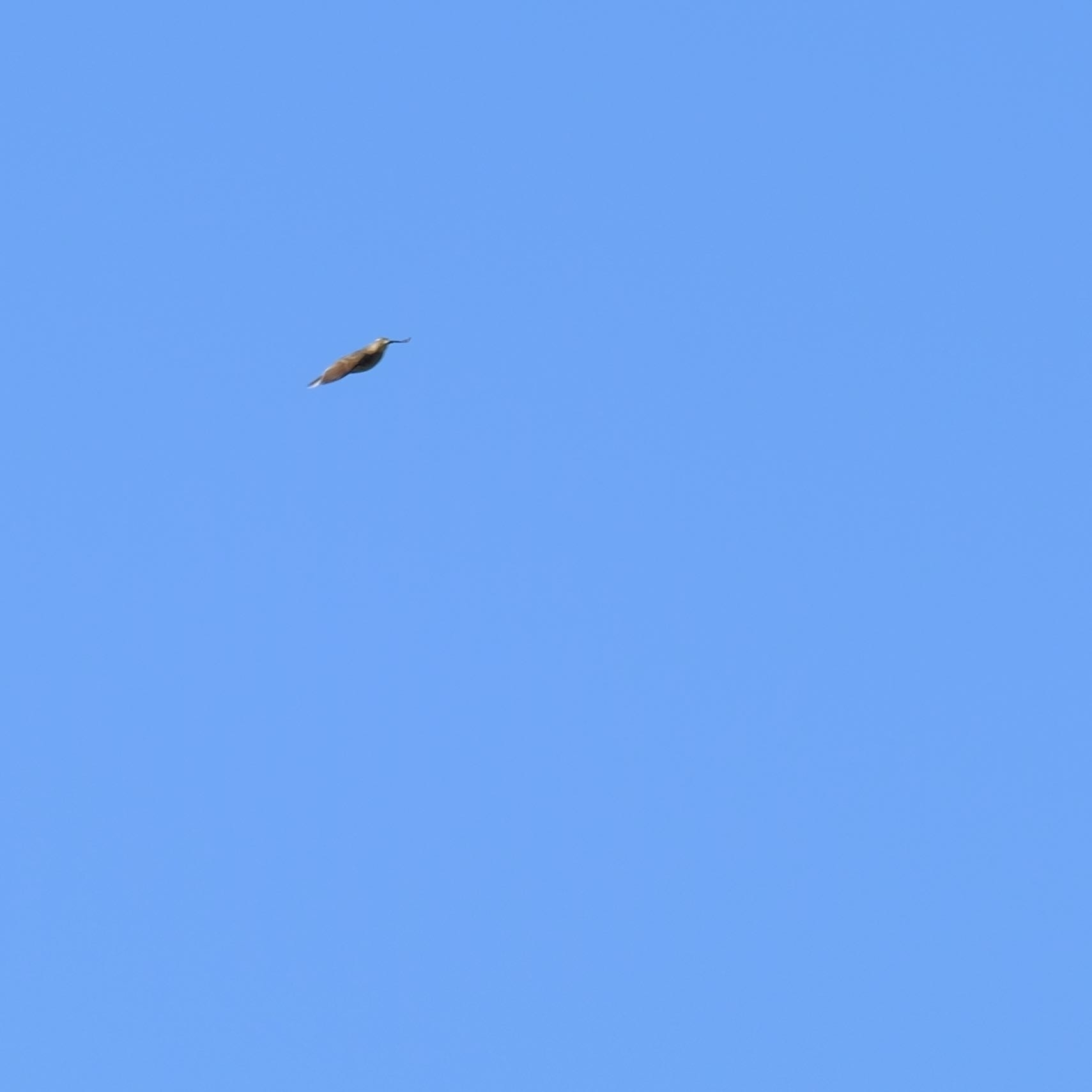
I’m on a quest to take photos of all the birds we see round here. 🐦 I’m also longing for the rather costly 100-400mm zoom lens, but actually have a 50-230 — some birds I just can’t get closer to.
Success today with the Eurasian skylark which flies up to 100 metres high.
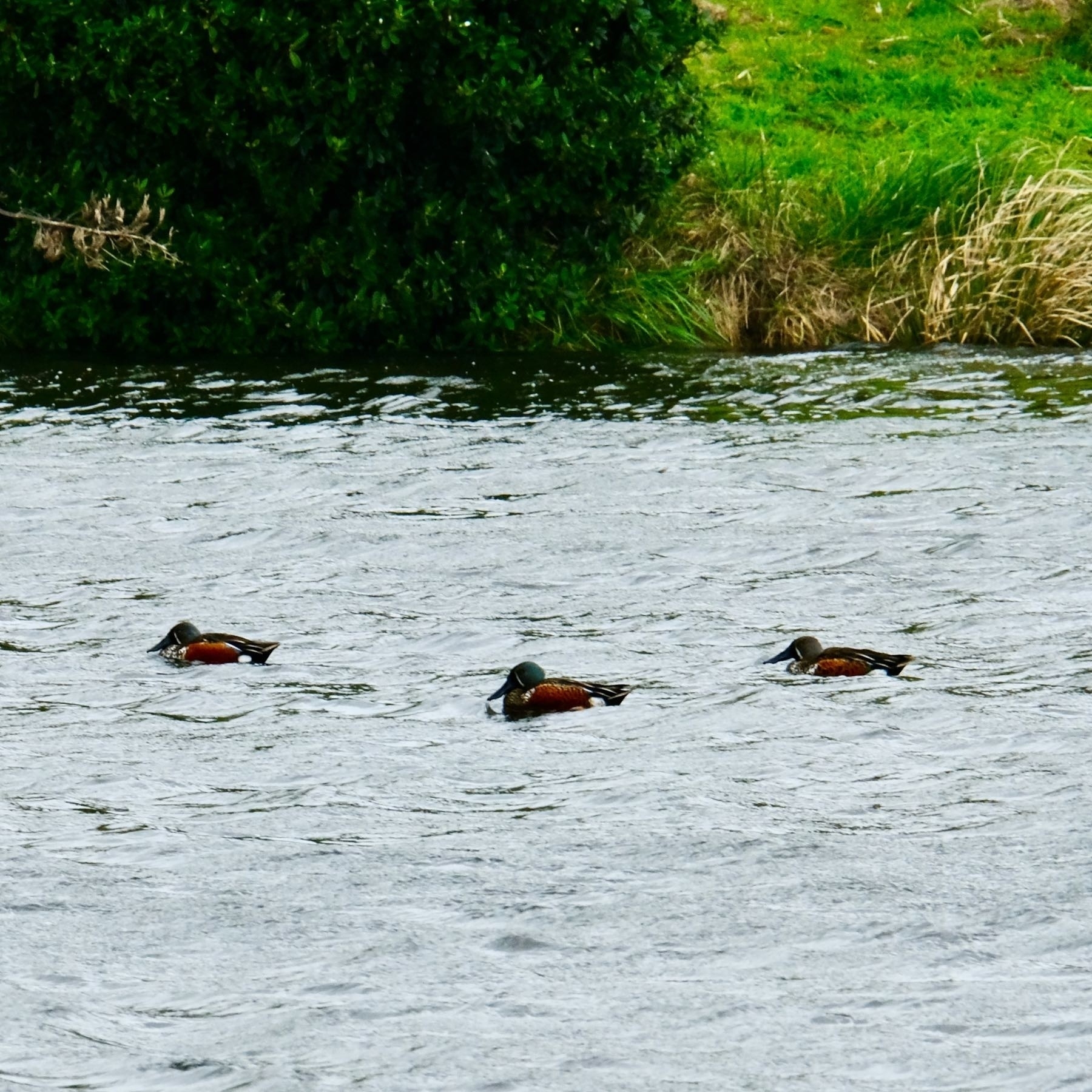
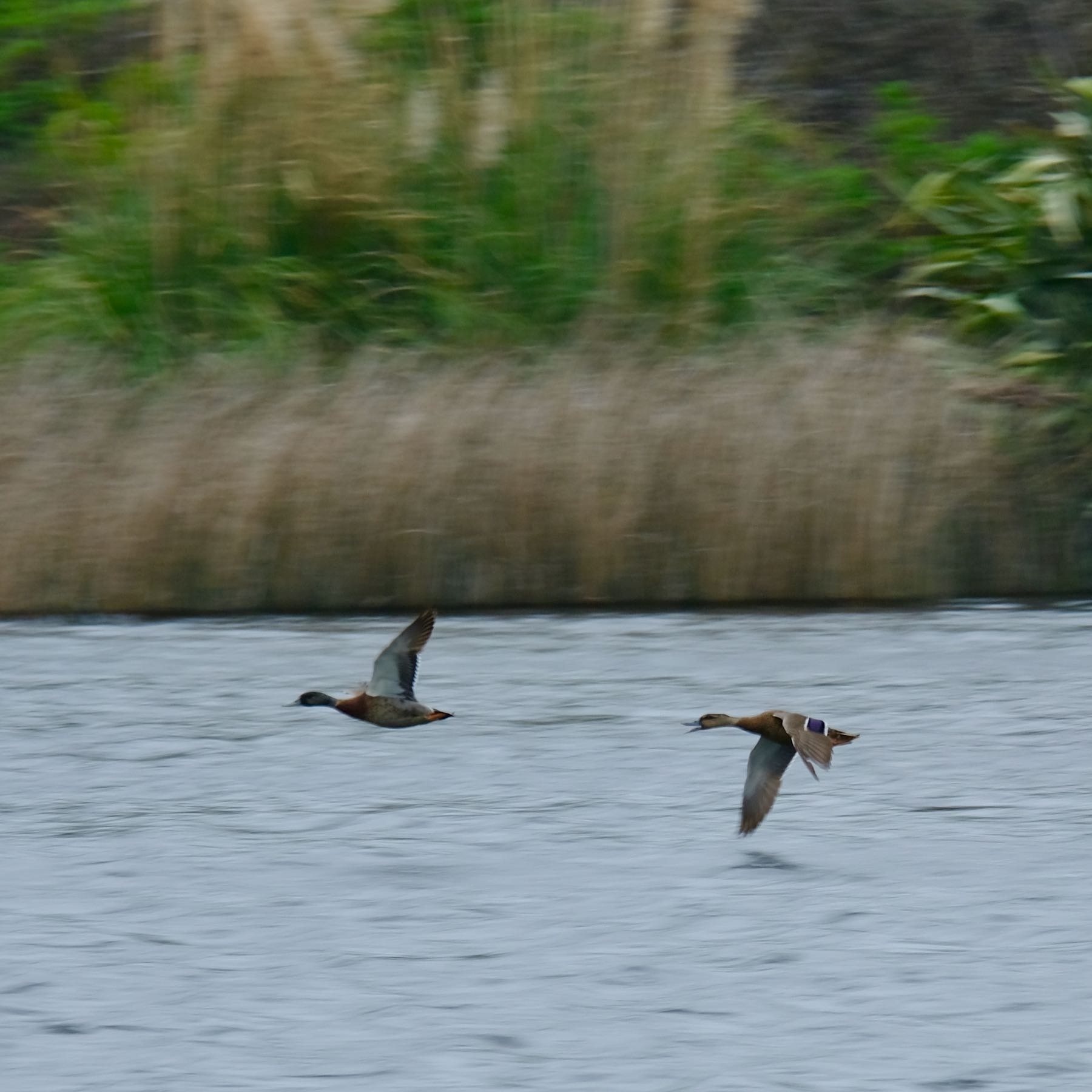
I was down at the lakes today, bracing against strong wind gusts, trying to get photos of the Australian Shovelers on the other side of the water. A couple of Mallard ducks flew off and I happened to get a decent shot of them in flight! 🐦
These photos stretch my 50-230mm lens.
Such a sad tale: The Scam | Loading Docs 2021 | The Spinoff - YouTube:
The ultimate scam lures an elderly beekeeper around the world, from Greymouth to São Paulo, in this wild true crime tale.
A trusting guy with cognitive impairments lost all his money to scammers. 15 minutes.
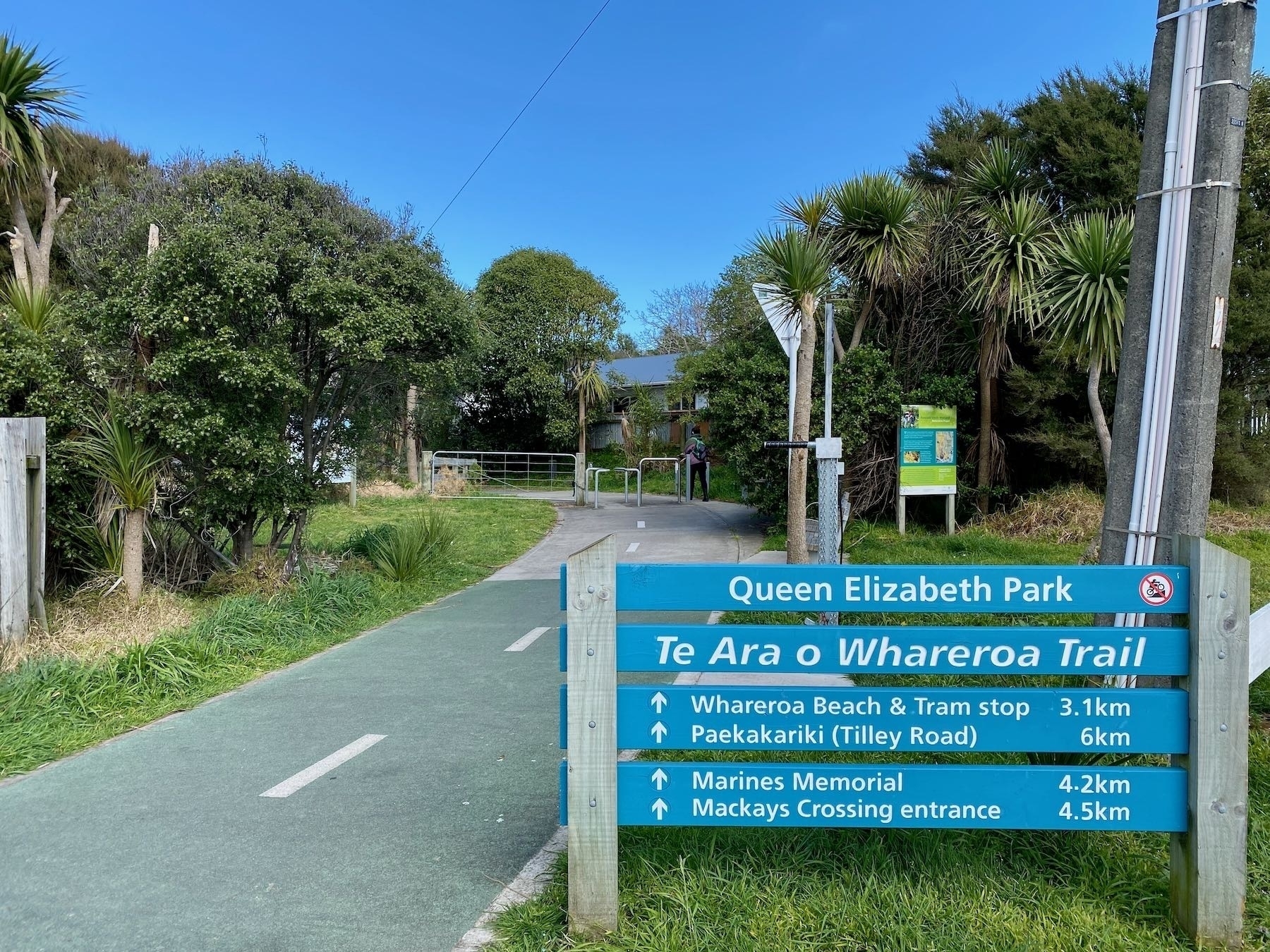
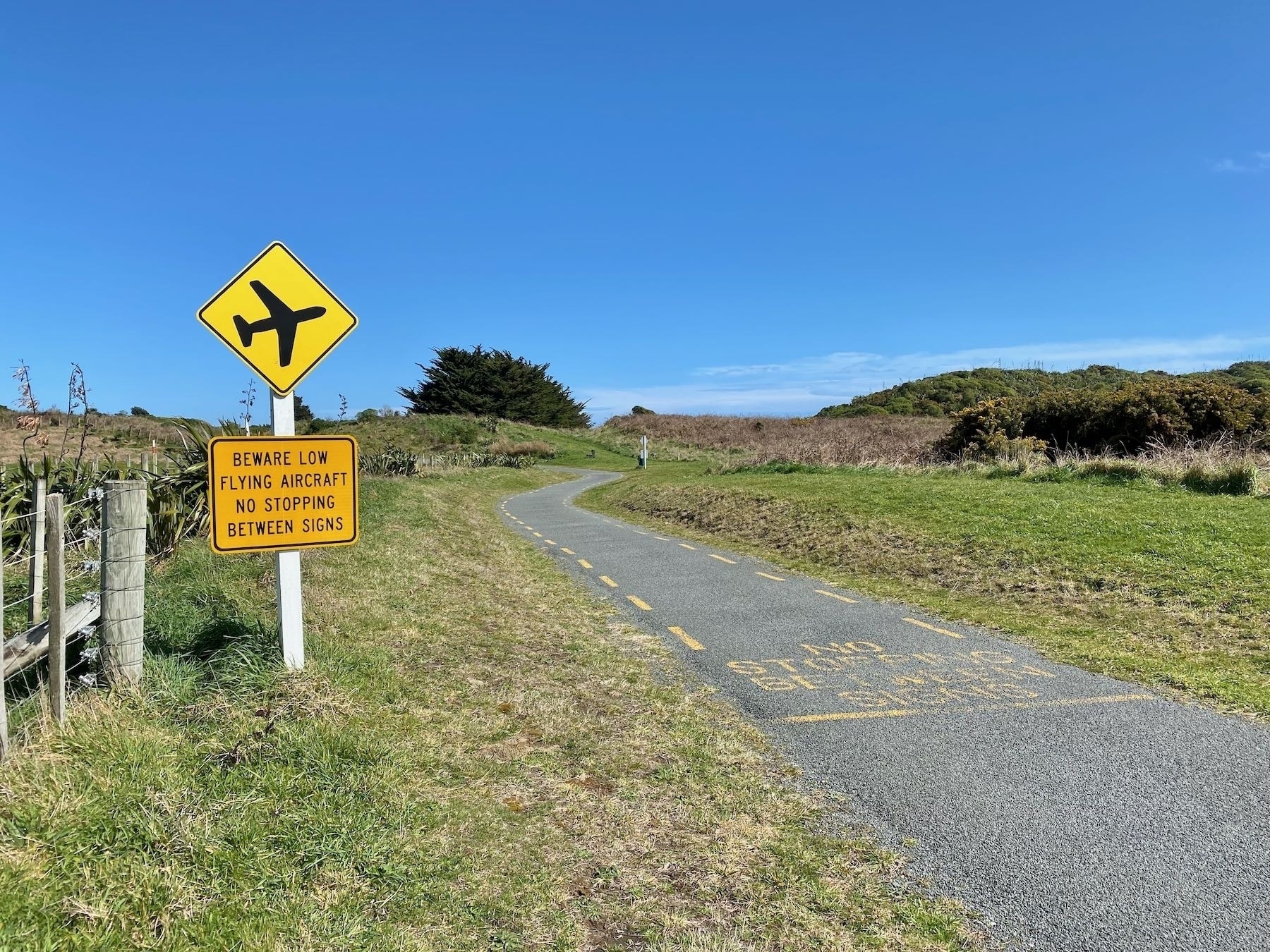
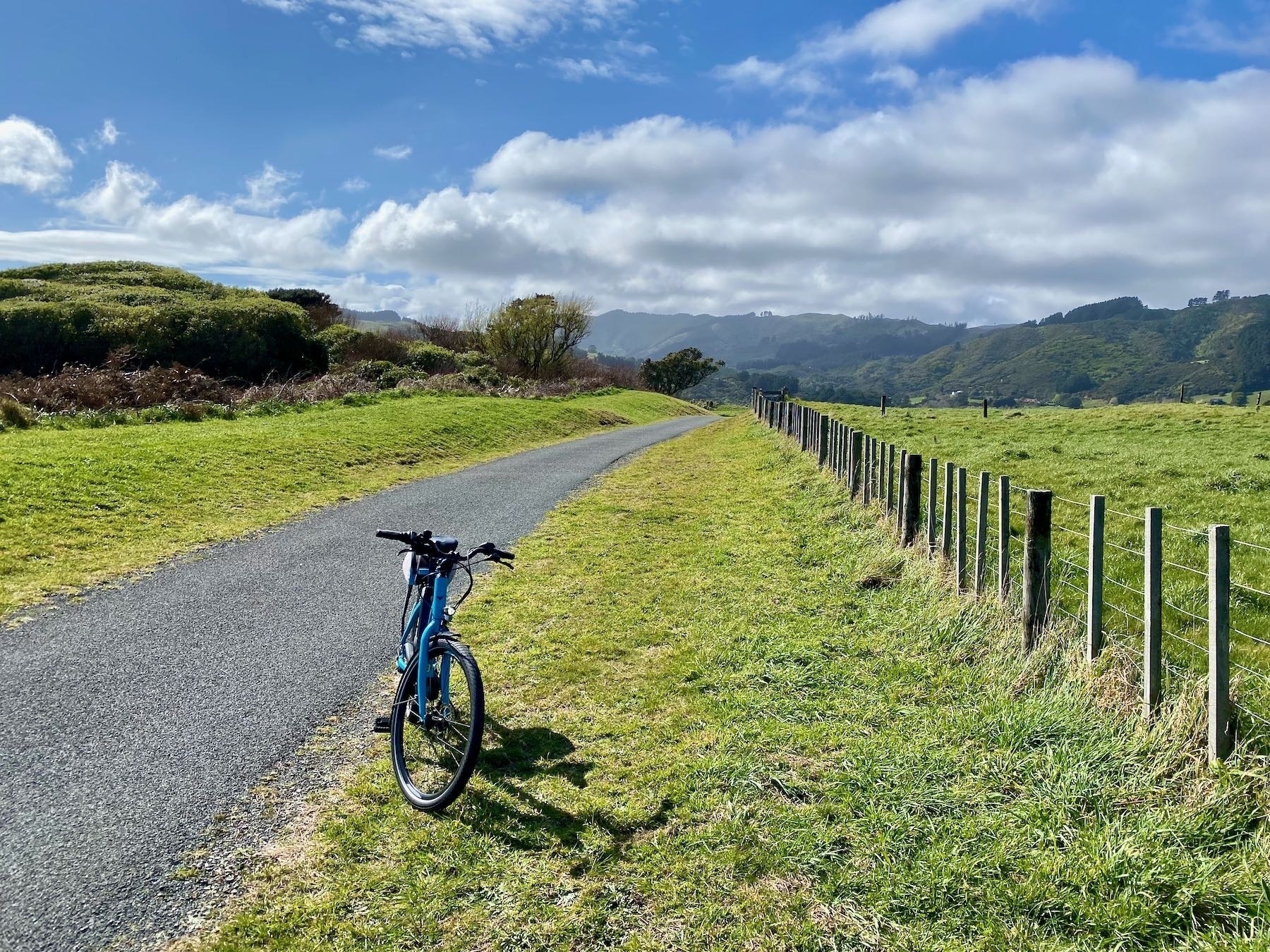
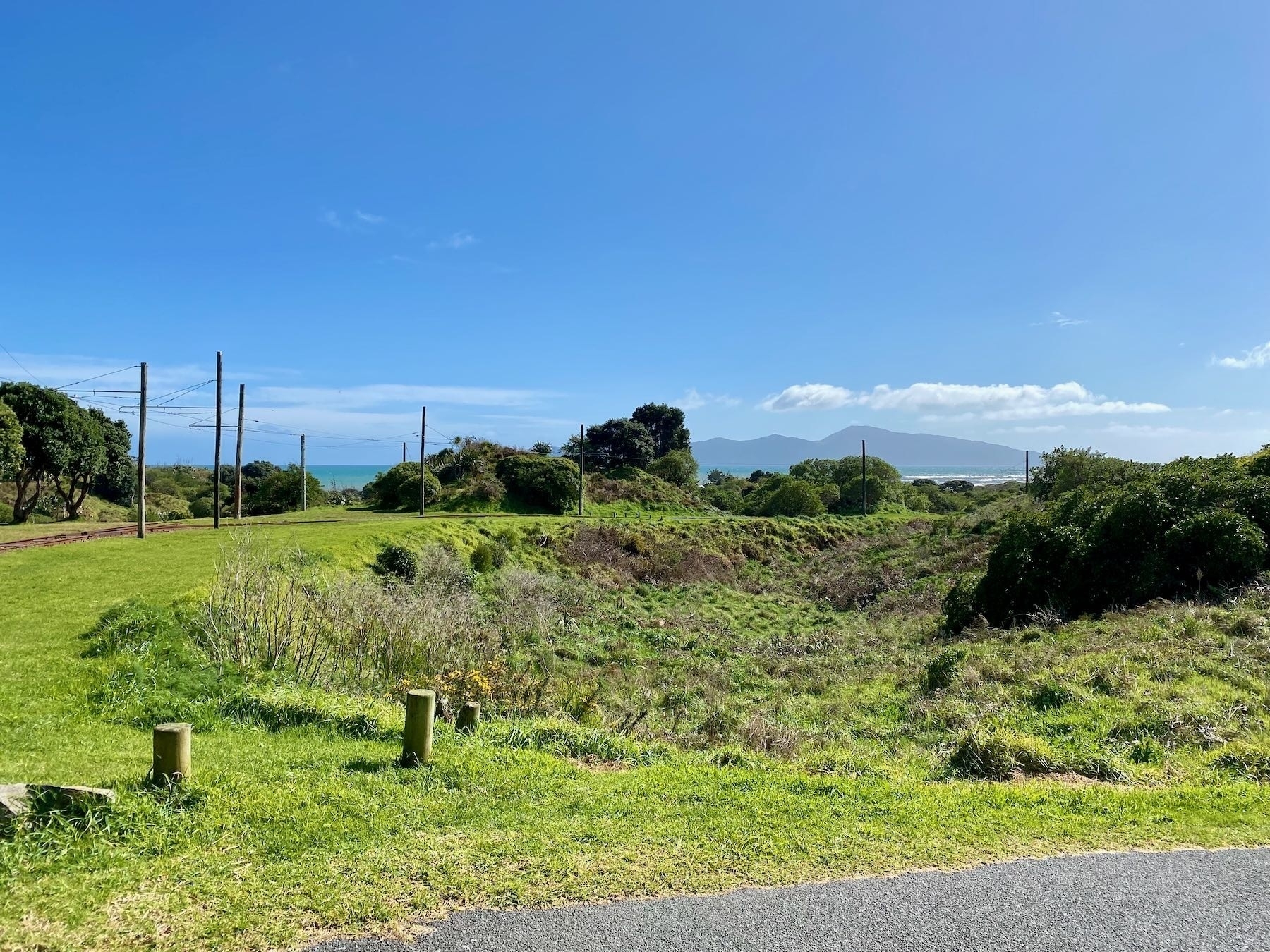
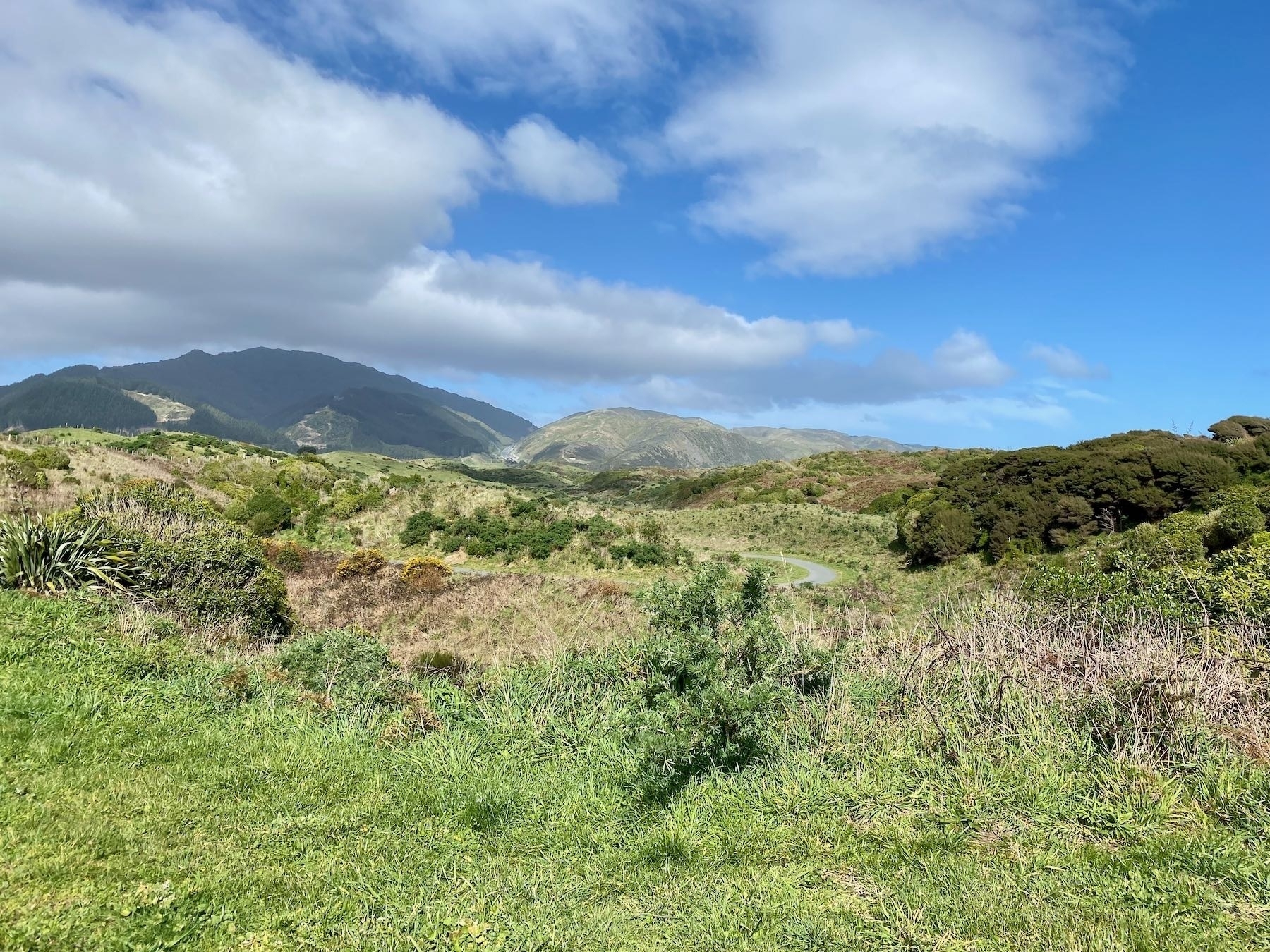
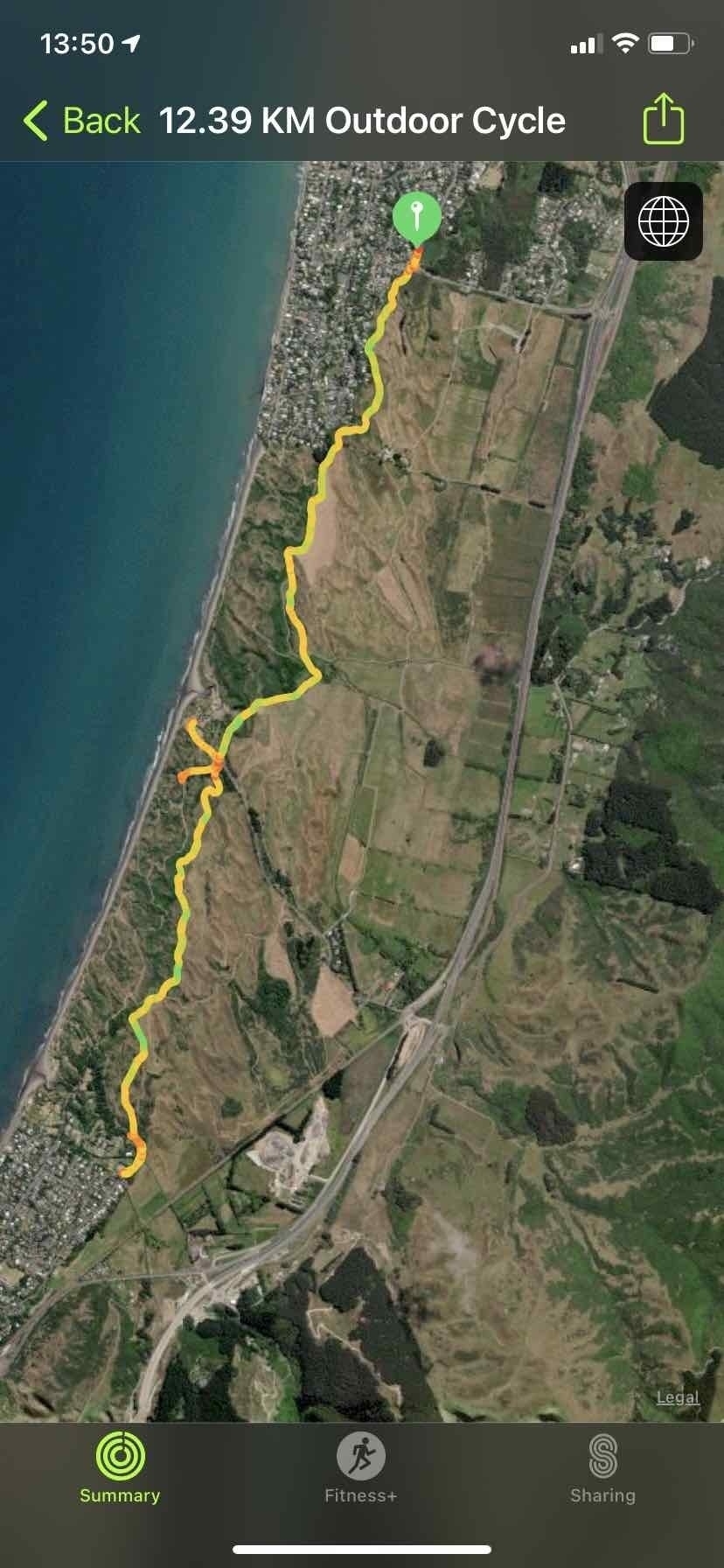
I drove to Raumati South and biked along Te Ara o Whareroa – Paekākāriki.NZ
Te Ara o Whareroa is mostly flat with a nice, flowing sealed track hugging the inland edge of the Queen Elizabeth Park sand dunes.
A very enjoyable 12 Km return ride. Great scenery and no cars! 🚴🏼♀️
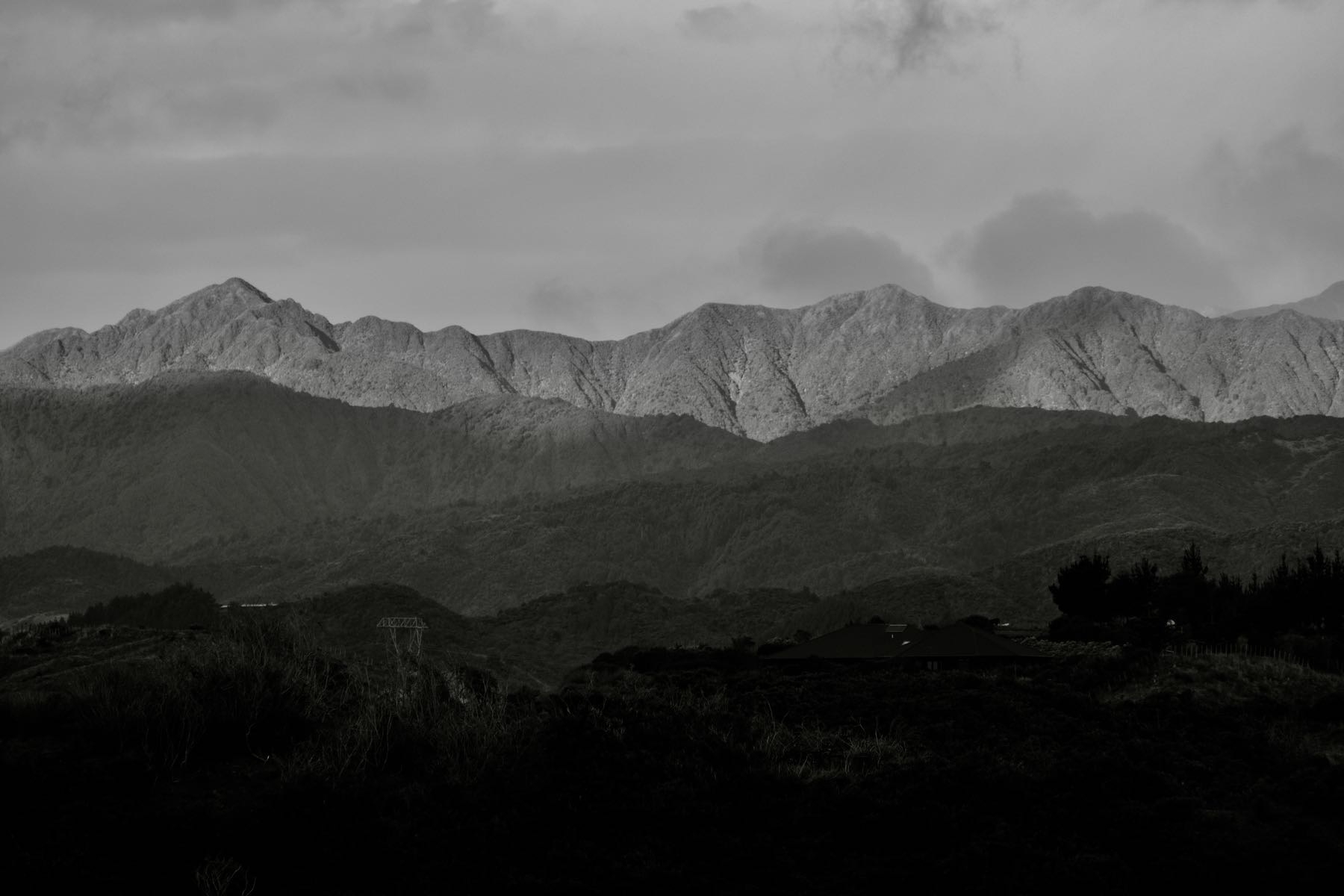
Experimenting with my camera. I saw part of the mountains lit while the rest was dark. This may have used the Acros film simulation. [Doesn’t pay to be feeding dogs, cooking and eating dinner, retrieving runaway dog between taking the shot and being able to look at it…]
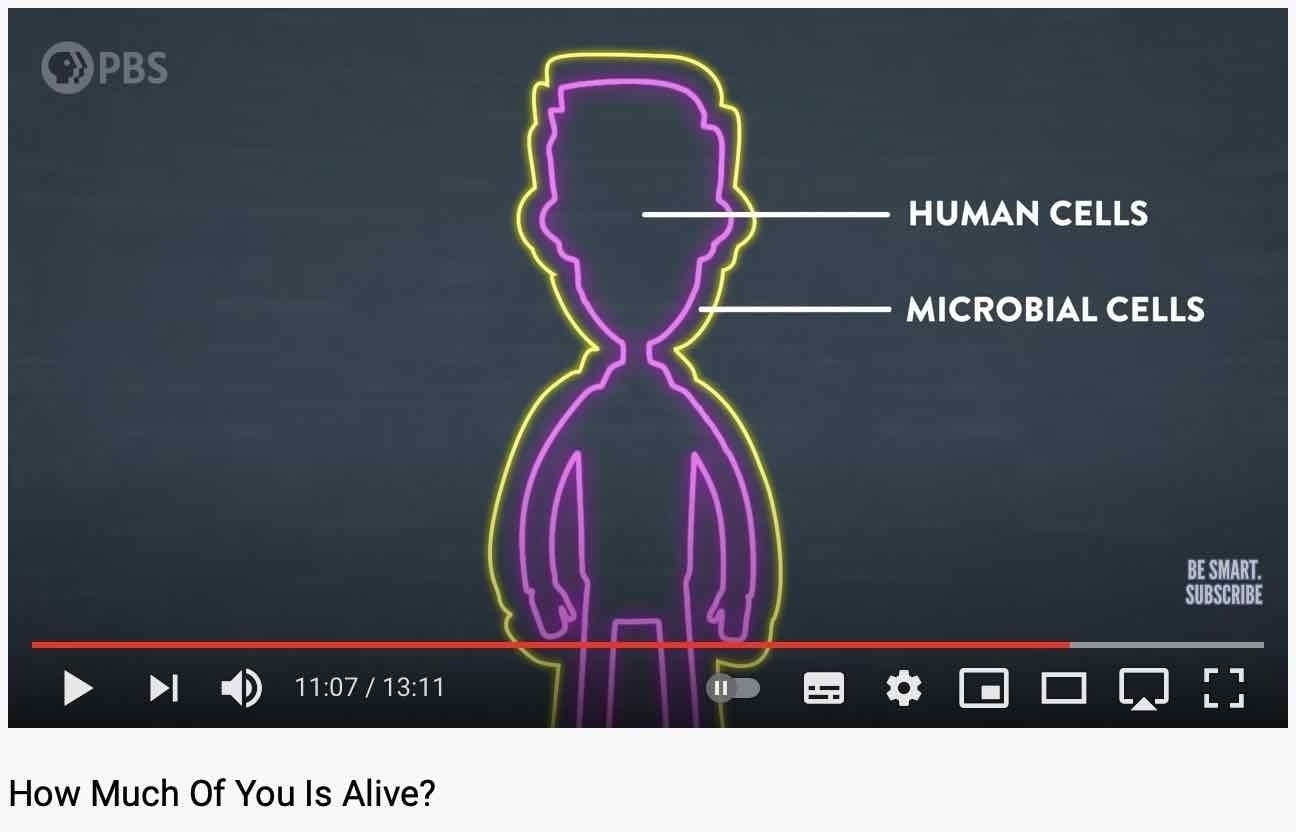
This was a fascinating 13 minutes: How Much Of You Is Alive?:
You’re alive right now… at least I’m pretty sure you are. But you’re not TOTALLY alive. Bits of you are always breaking down, being thrown out, and being replaced.
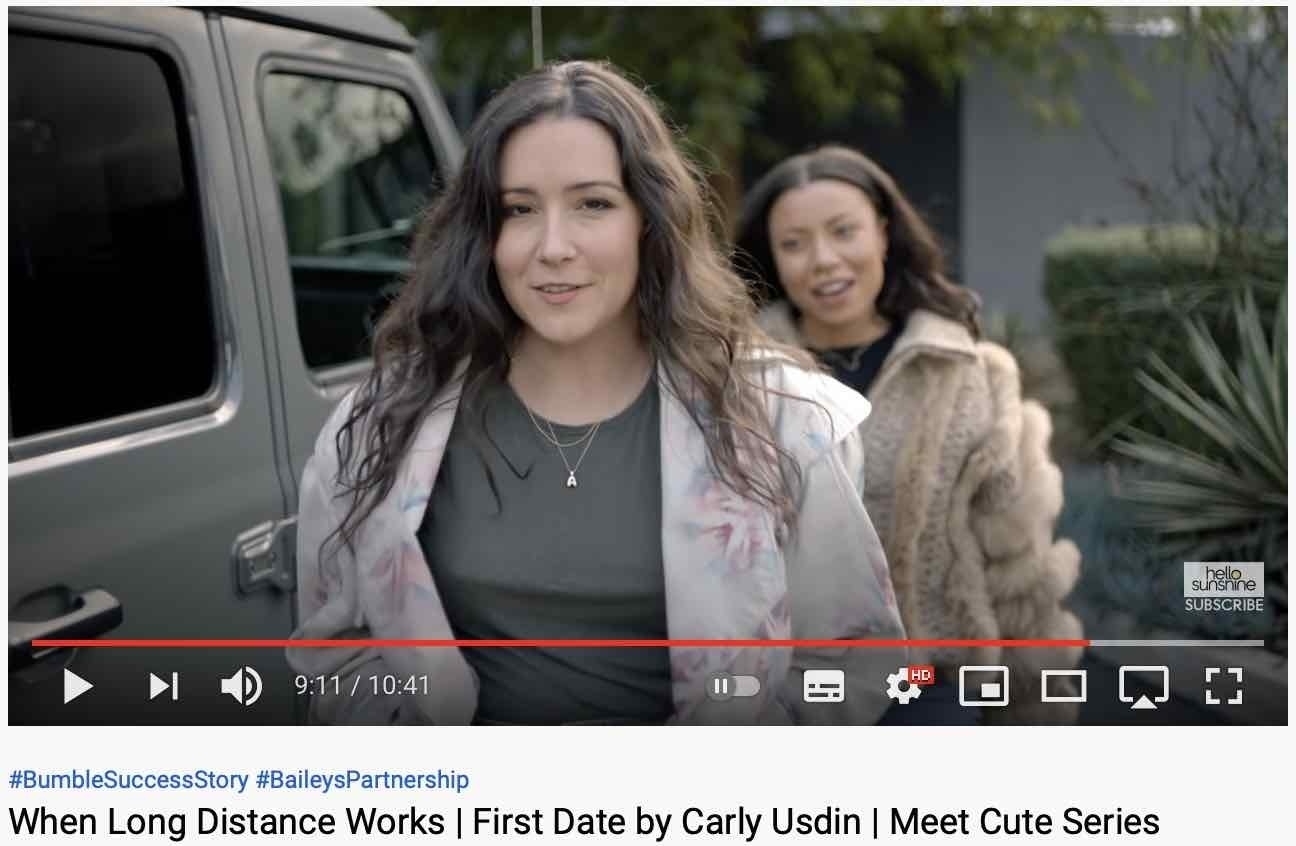
This 10 minute movie was lovely: When Long Distance Works:
Long (first-date) story short: She asks her to her best friend’s wedding.
The … series spotlights 3 emerging women and non-binary filmmakers who each created a short film inspired by a real-life Bumble meet cute story
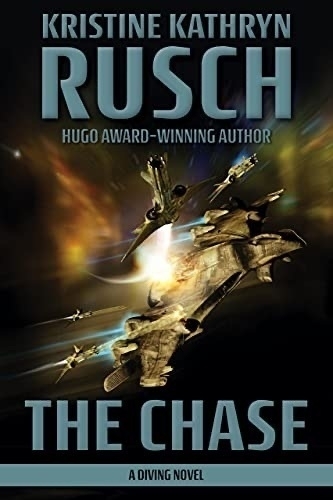
I read and enjoyed The Chase: (The Diving Series Book 15) by Kristine Kathryn Rusch. 📚
I backed the Kickstarter and received an early copy. The first half confused me a little with several different storylines. The second half wove them all together in a gripping way.
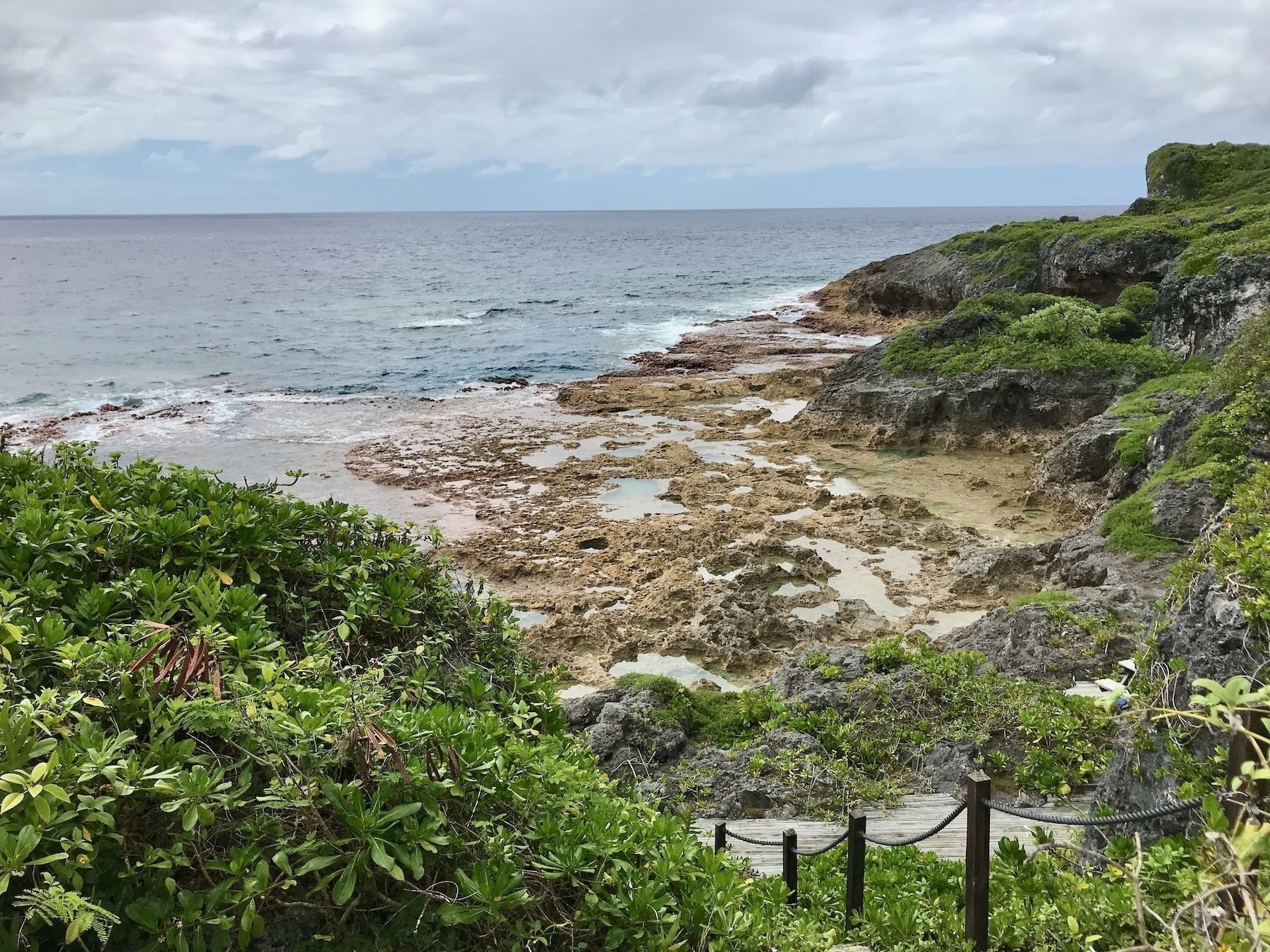
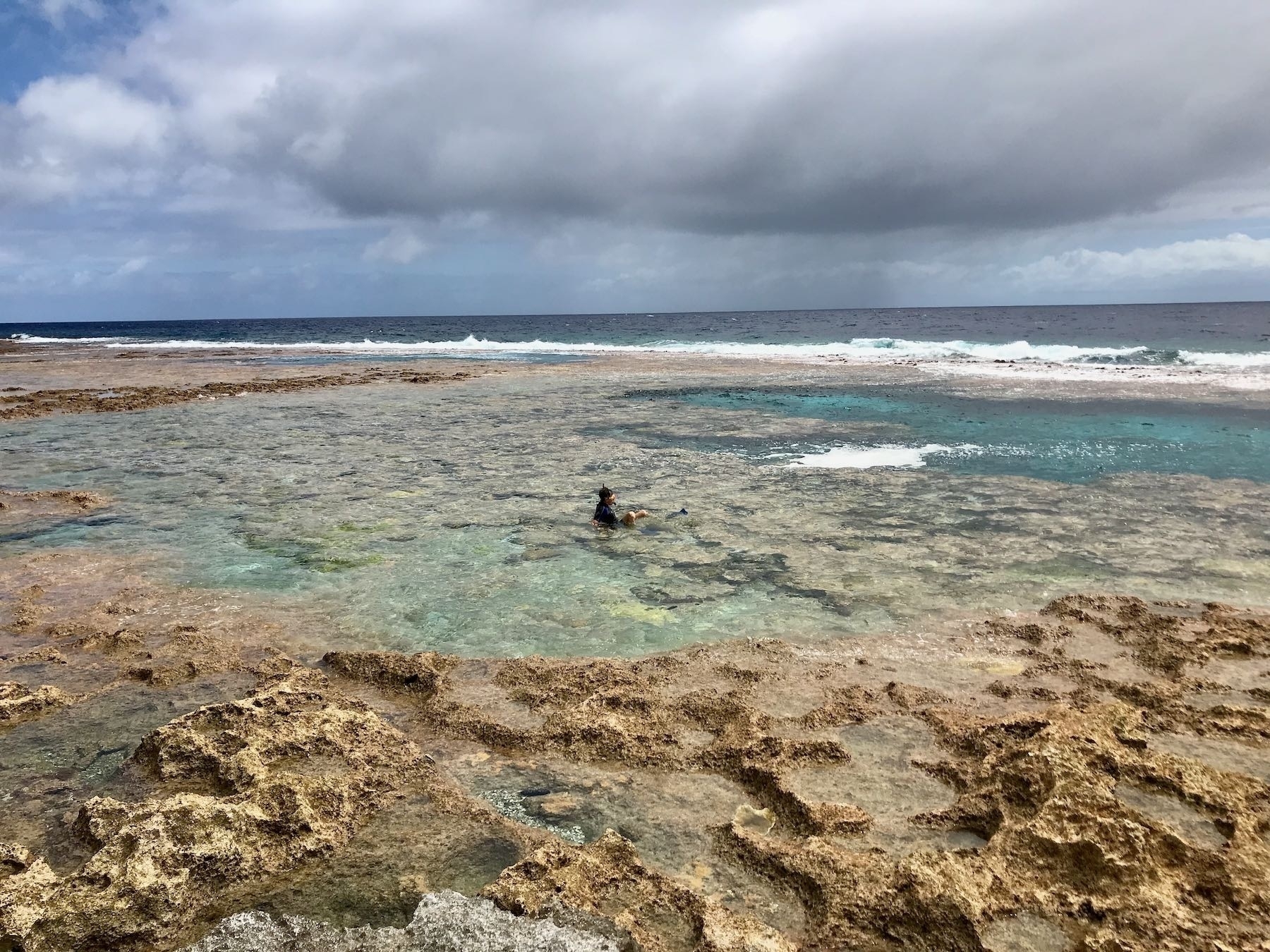
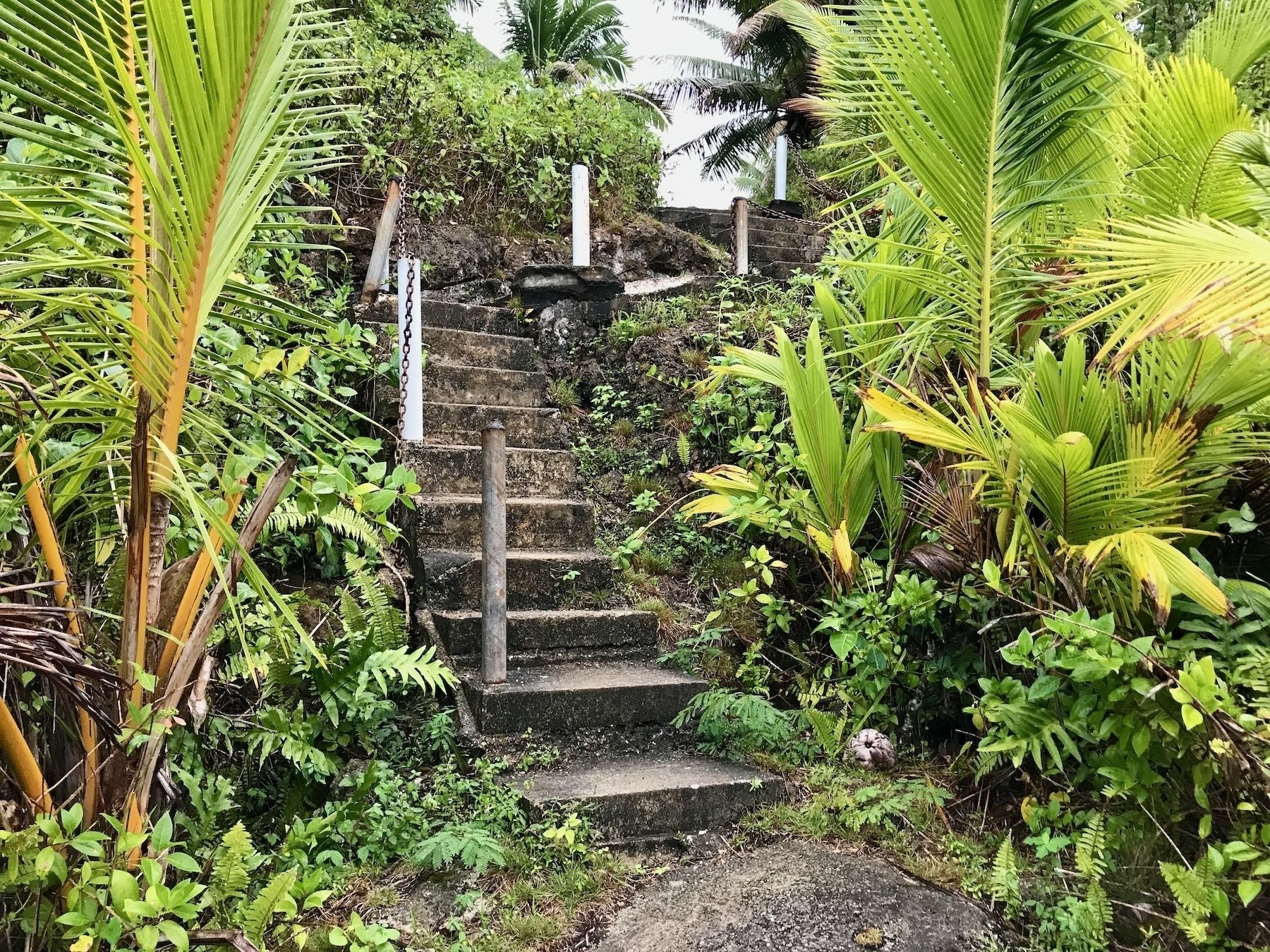
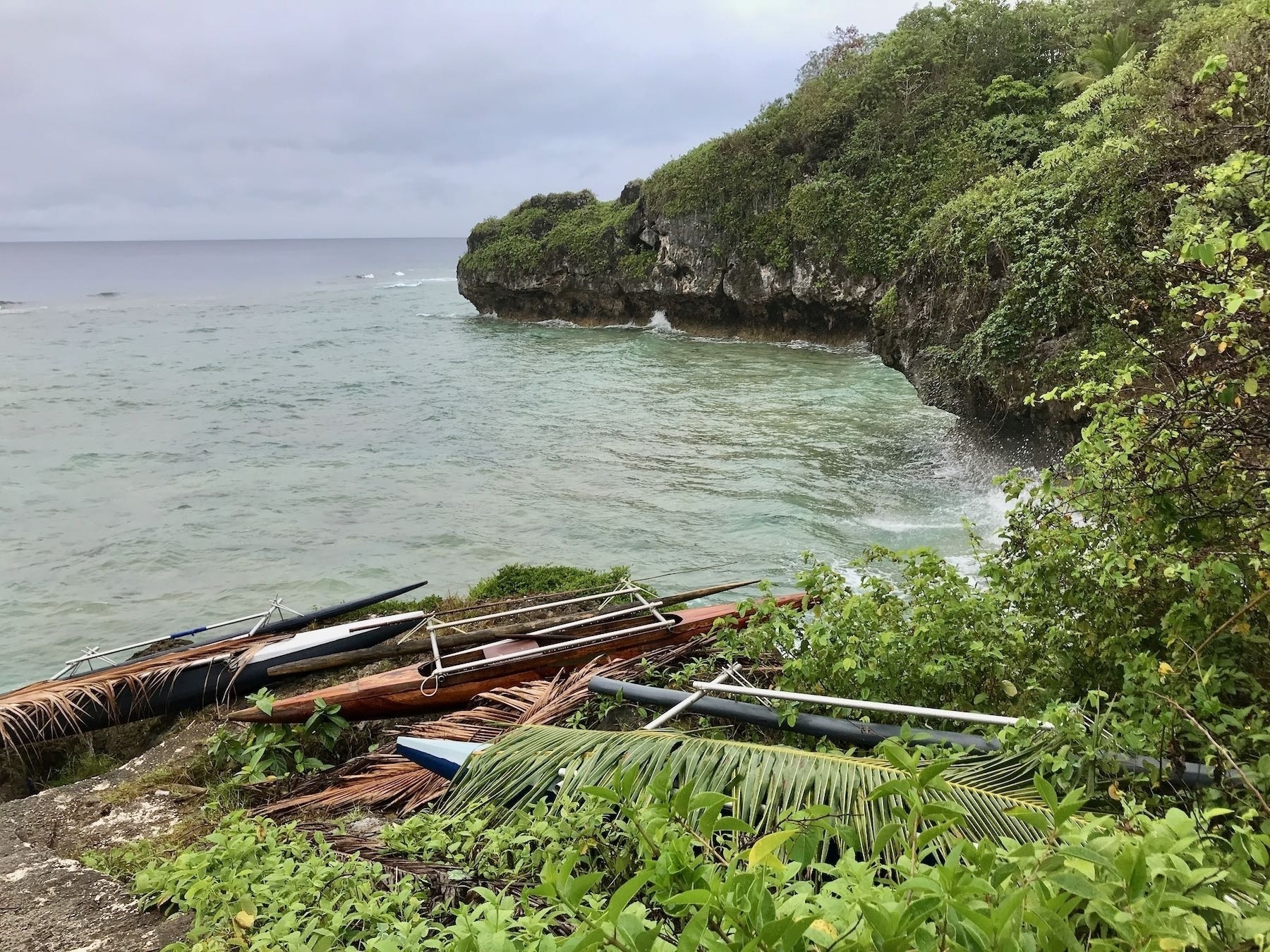
It’s typical spring weather today: rainy, windy, changeable, cool. So I dug around and found 4 photos from this day in 2018 when we were on holiday in Niue. That was a good holiday.
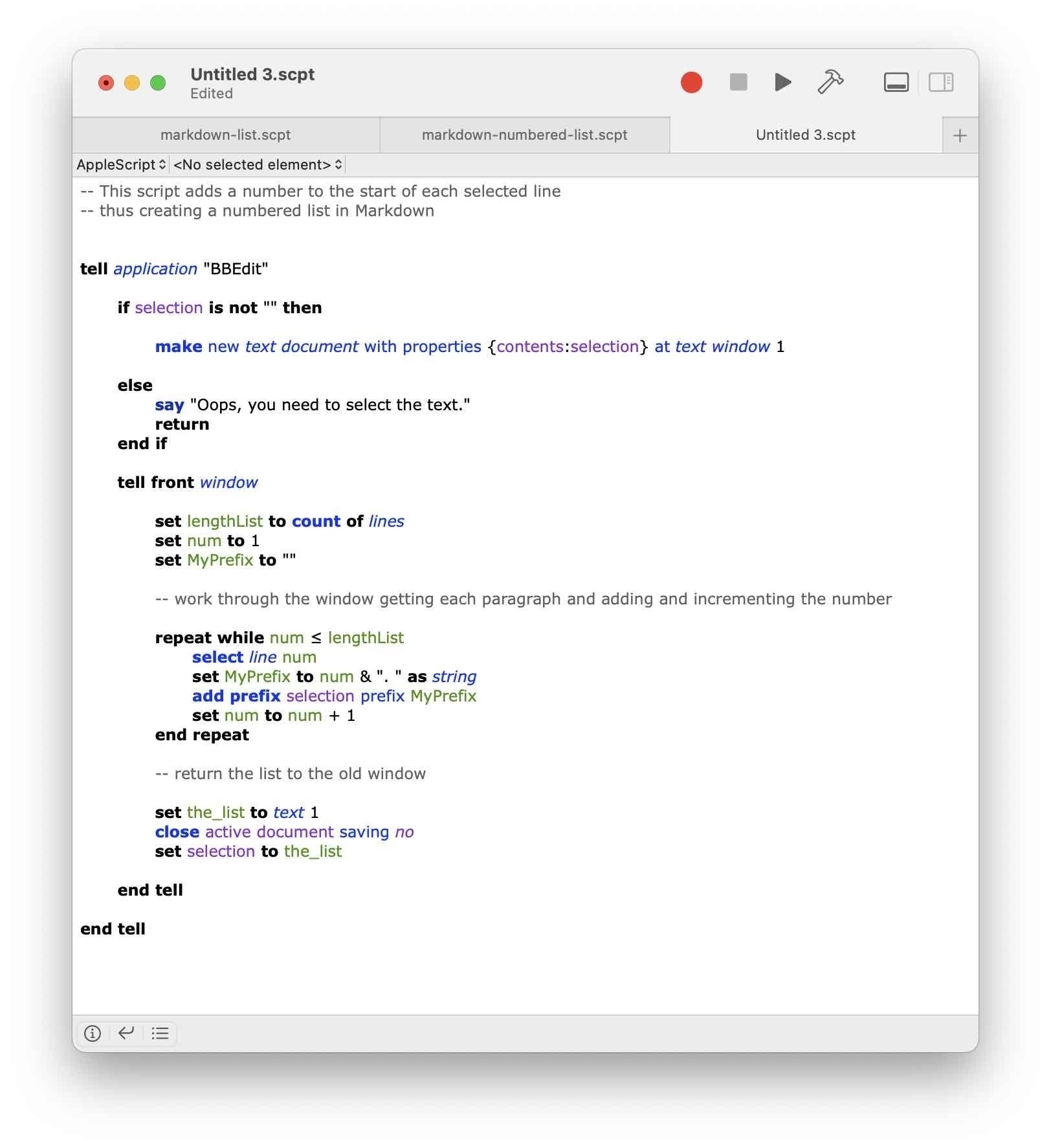
I’ve used BBEdit for years now. It’s fabulous for working with and processing text. Today I whisked up an Applescript that numbers selected lines so as to create a Markdown numbered list. The built-in line numbering function doesn’t seem to allow me to add the dot I want.
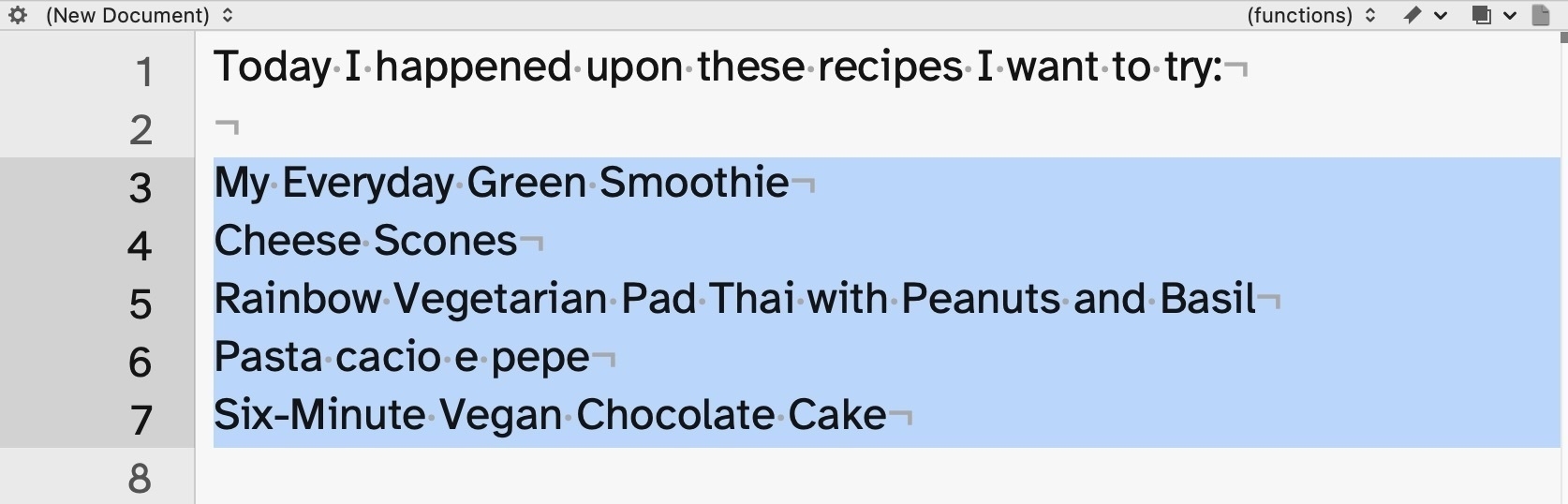
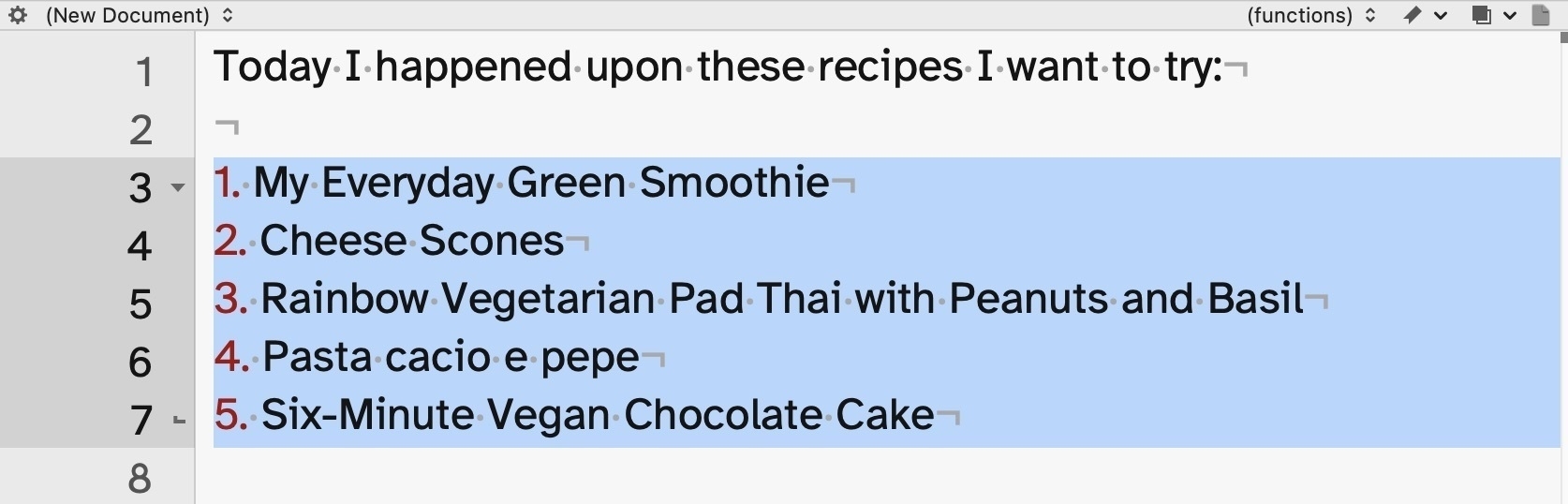
Today I happened upon these recipes I want to try:
- My Everyday Green Smoothie
- Cheese Scones
- Rainbow Vegetarian Pad Thai with Peanuts and Basil
- Pasta cacio e pepe
- Six-Minute Vegan Chocolate Cake
Maybe this week I’ll give a couple of them a go.
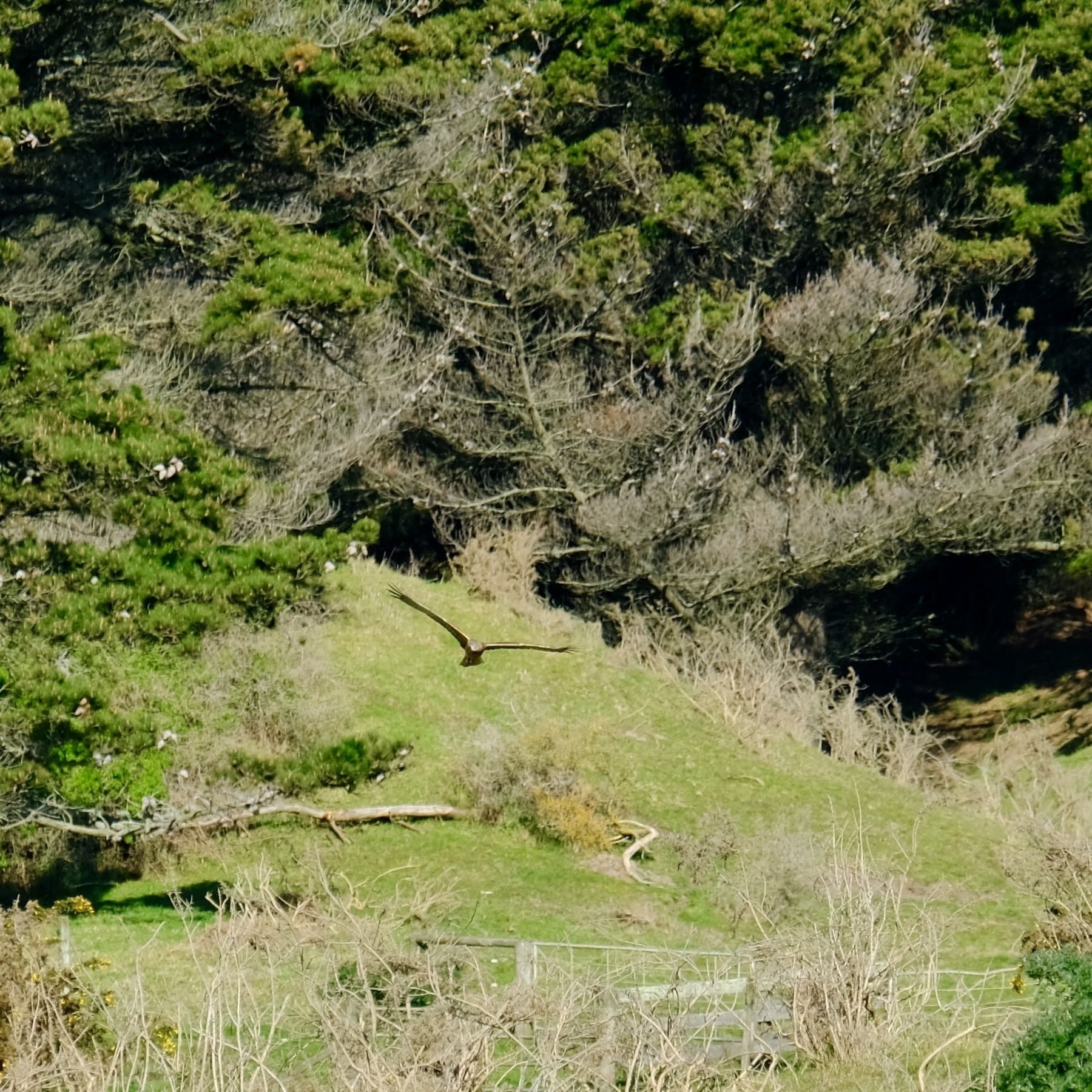
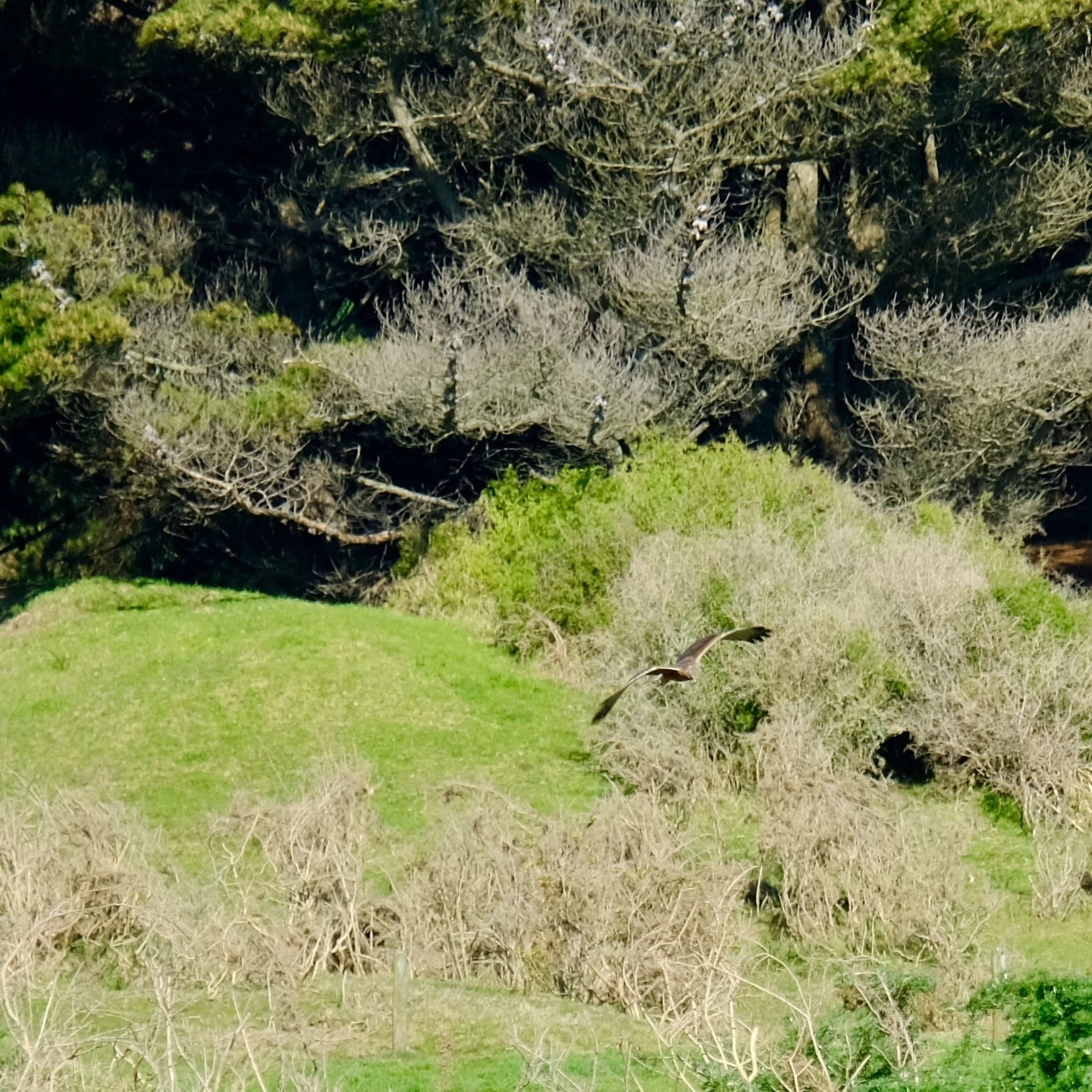
They’re far from perfect but they beat any of my previous attempts to catch a hawk in flight by a mile. 🐦 I’m reading and learning from Dan Bailey’s book: X Series Unlimited.
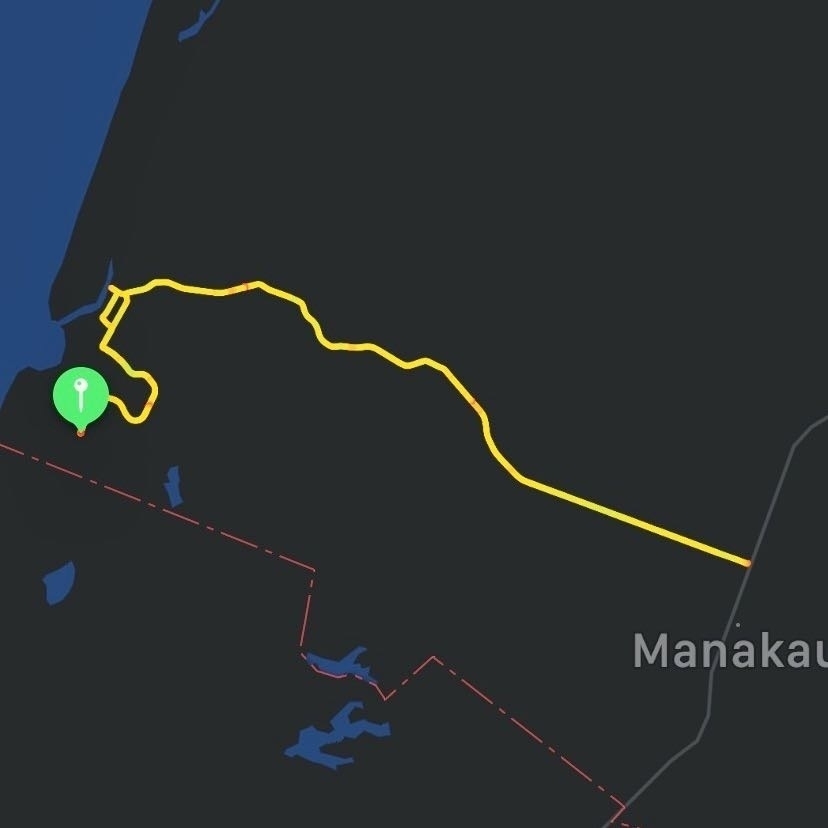
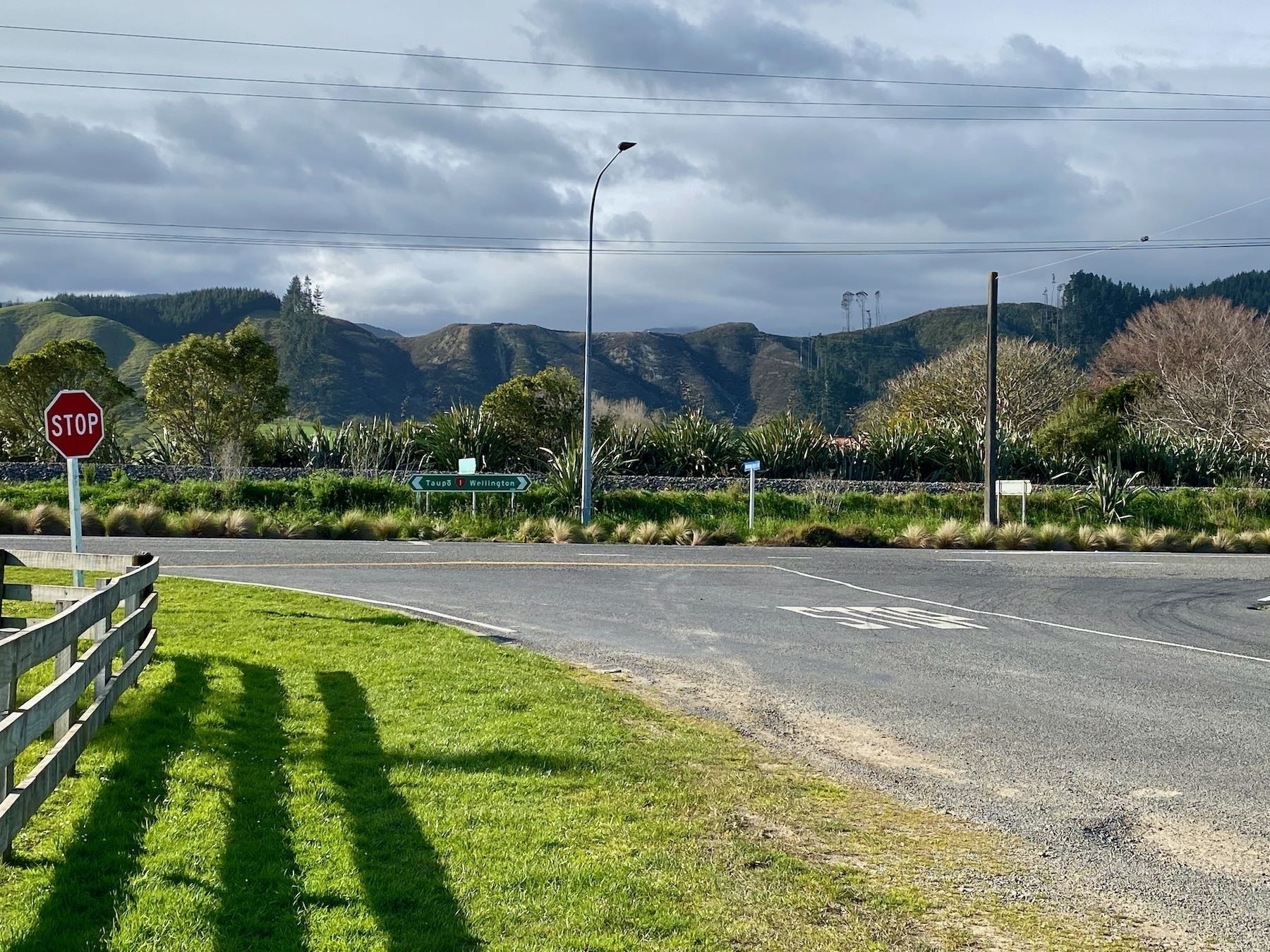
Pushed myself today on my bike: rode to the intersection with State Highway 1, 9.2 Km away. Total return ~19 Km. 🚴🏼♀️ Some head winds were a challenge. Mix of light battery assist and none.