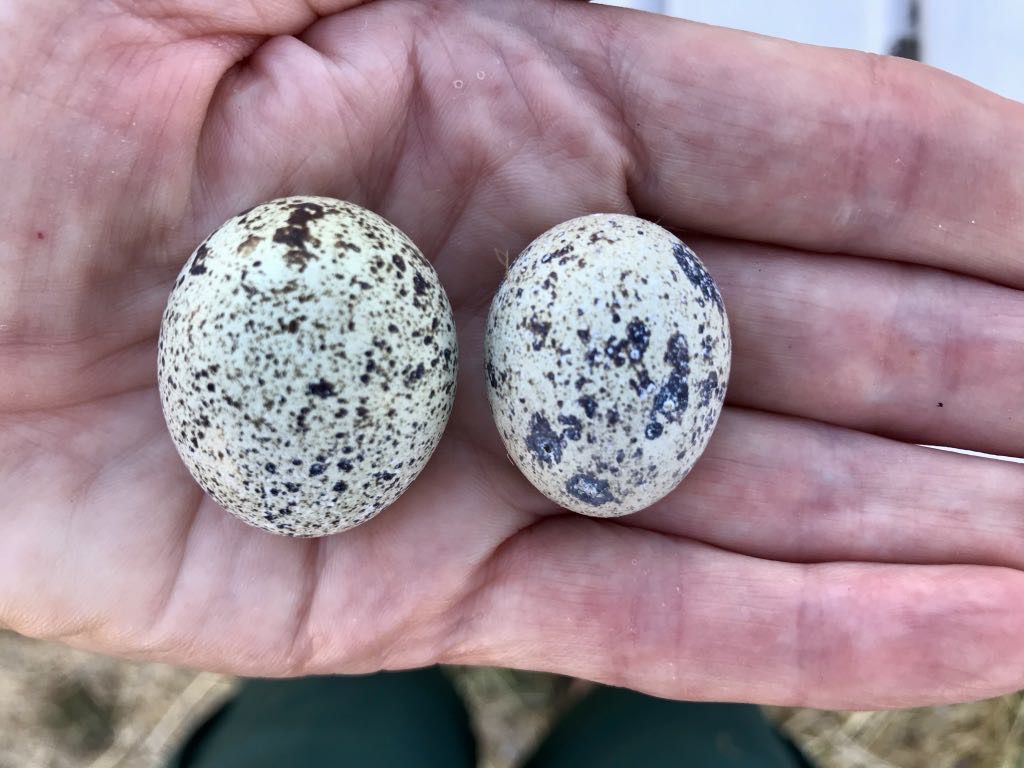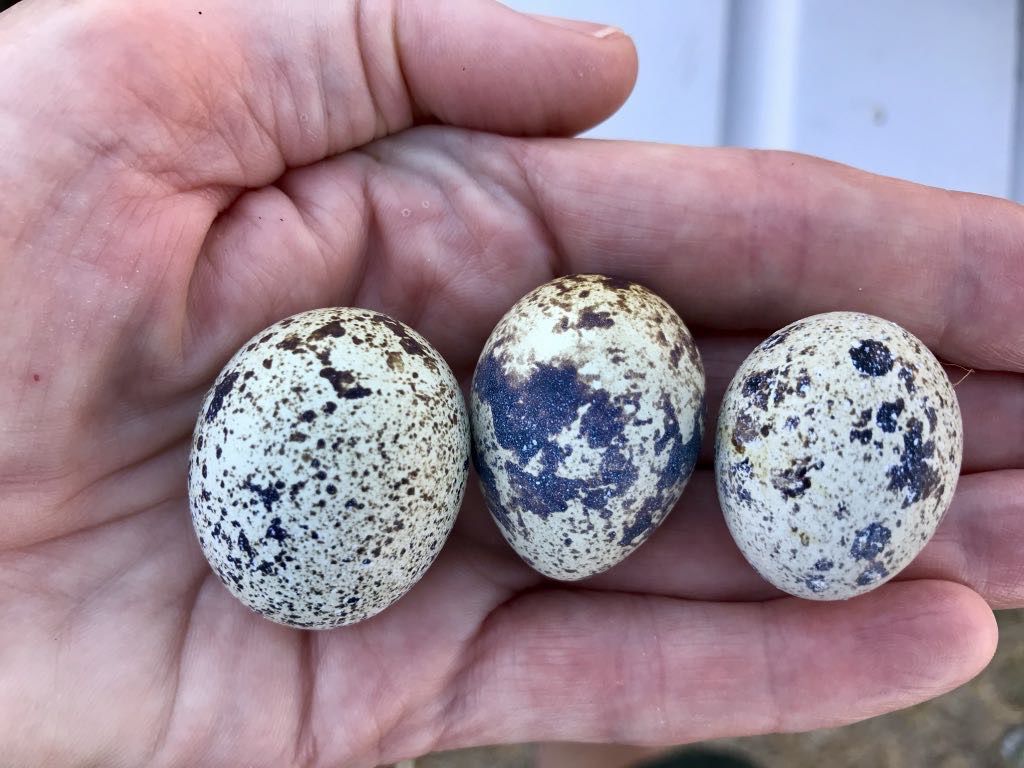
Well, we were meant to go to Kāpiti Island (nature reserve) tomorrow for an overnight stay but the trip’s been cancelled because the weather forecast is for gales, high seas, cold and rain.
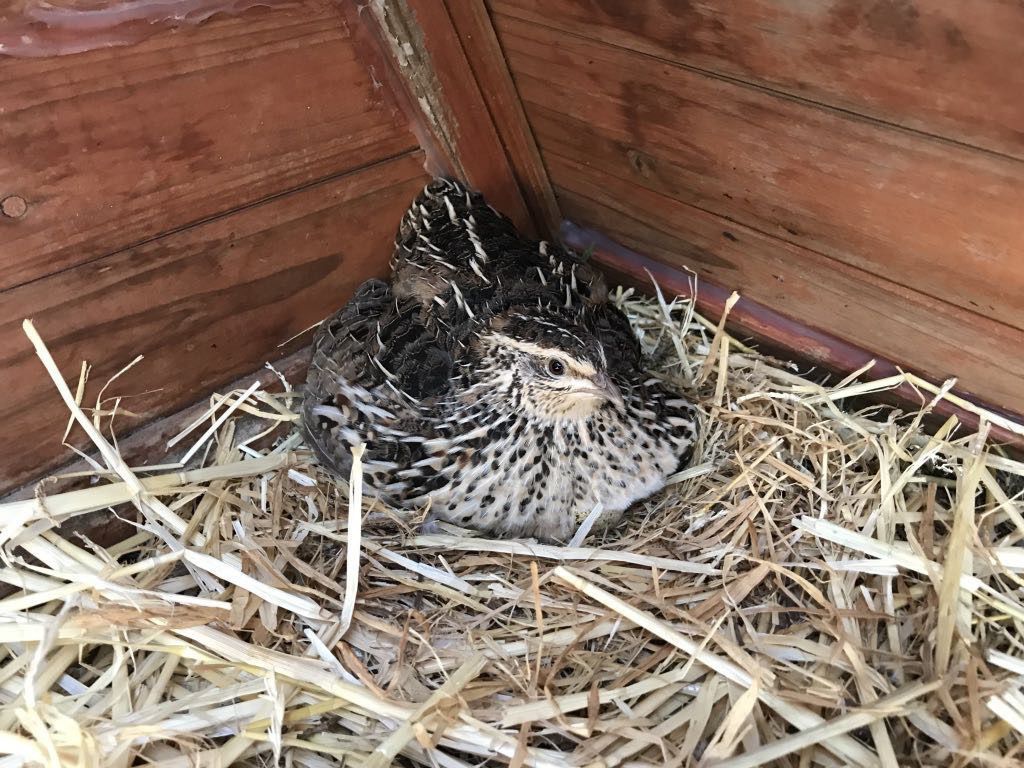
It’s a bit of a relief as perhaps 4 quail chicks will hatch tomorrow. 🐦
So glad the Mothers of Invention podcast is back for Season 2.
Join former Irish President Mary Robinson and comedian Maeve Higgins in this uplifting new podcast, celebrating amazing women doing remarkable things in pursuit of climate justice.
A high-ranking female Viking warrior
Luckily genetic analysis has overridden the sexism of a bunch of archaeologists who assumed that a Viking warrior must be male because they thought only males could be warriors. Apparently there's still pushback, but hooray for genes!
Already in the early middle ages, there were narratives about fierce female Vikings fighting alongside men. Although, continuously reoccurring in art as well as in poetry, the women warriors have generally been dismissed as mythological phenomena.
… Situated in Eastern Central Sweden, Birka was a key centre for trade during the 8th–late 10th century, linked to a social, cultural and economic network that reached beyond the Ural Mountains into the Caliphate in the east and south to the Byzantine Empire. Birka's population of approximately 700–1000 inhabitants consisted of trading families, artisans and warriors.…
One warrior grave, Bj 581, stands out as exceptionally well‐furnished and complete. Prominently placed on an elevated terrace between the town and a hillfort, the grave was in direct contact with Birka's garrison. The grave goods include a sword, an axe, a spear, armour‐piercing arrows, a battle knife, two shields, and two horses, one mare and one stallion; thus, the complete equipment of a professional warrior. Furthermore, a full set of gaming pieces indicates knowledge of tactics and strategy, stressing the buried individual's role as a high‐ranking officer. …
[Genetic testing showed] Bj 581 was a female. Hence the individual in grave Bj 581 is the first confirmed female high‐ranking Viking warrior.
Source: A female Viking warrior confirmed by genomics - Hedenstierna‐Jonson - 2017 - American Journal of Physical Anthropology - Wiley Online Library. (References removed; see the original.)
Dashed off to brush my teeth during the long ads in an online TV show. Had a sudden memory of the first 40 or so years of my life when if you weren’t in front of the TV set while something was playing you just plain old missed it. How things have changed!
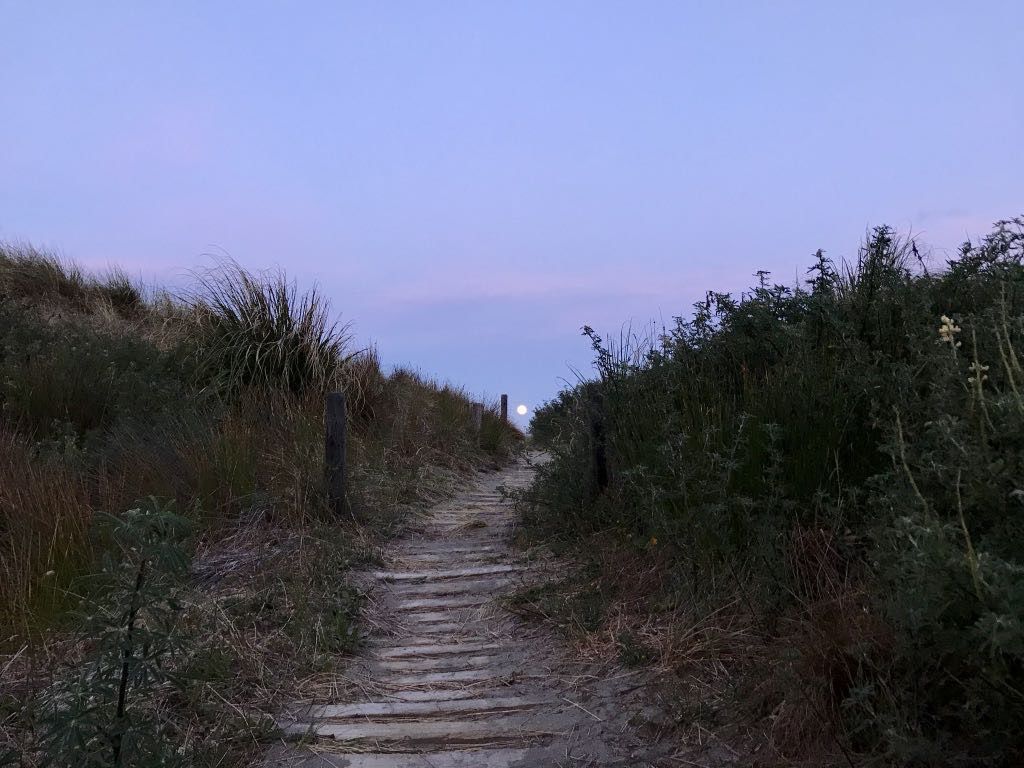
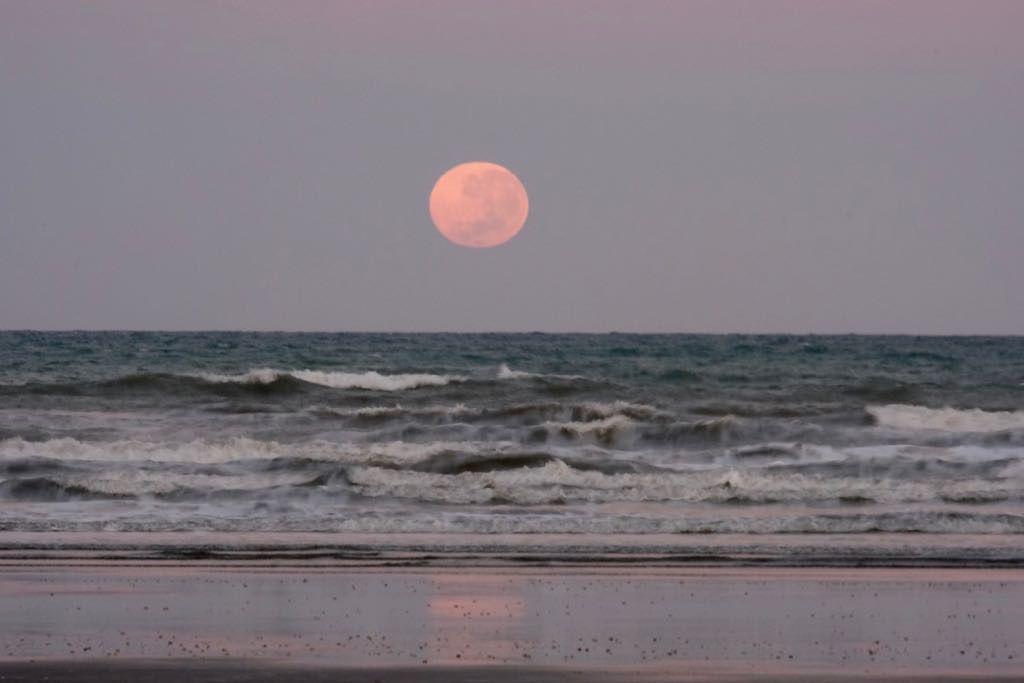
Last week I watched the sun set over our beach. This morning I watched a full moon set over the beach. The dogs and I arrived just in time.
Excellent 7 minute video from Tom Scott: Why Denmark Is .07 Seconds Behind The World
Measuring time is a complicated thing. Computers, banks, and stock markets in Denmark all use UTC, the international standard: but according to the law, they shouldn’t.
Fascinating, thought-provoking 20 minute video: What is the Oldest Mummy in the World? The Ask A Mortician videos are always so interesting.
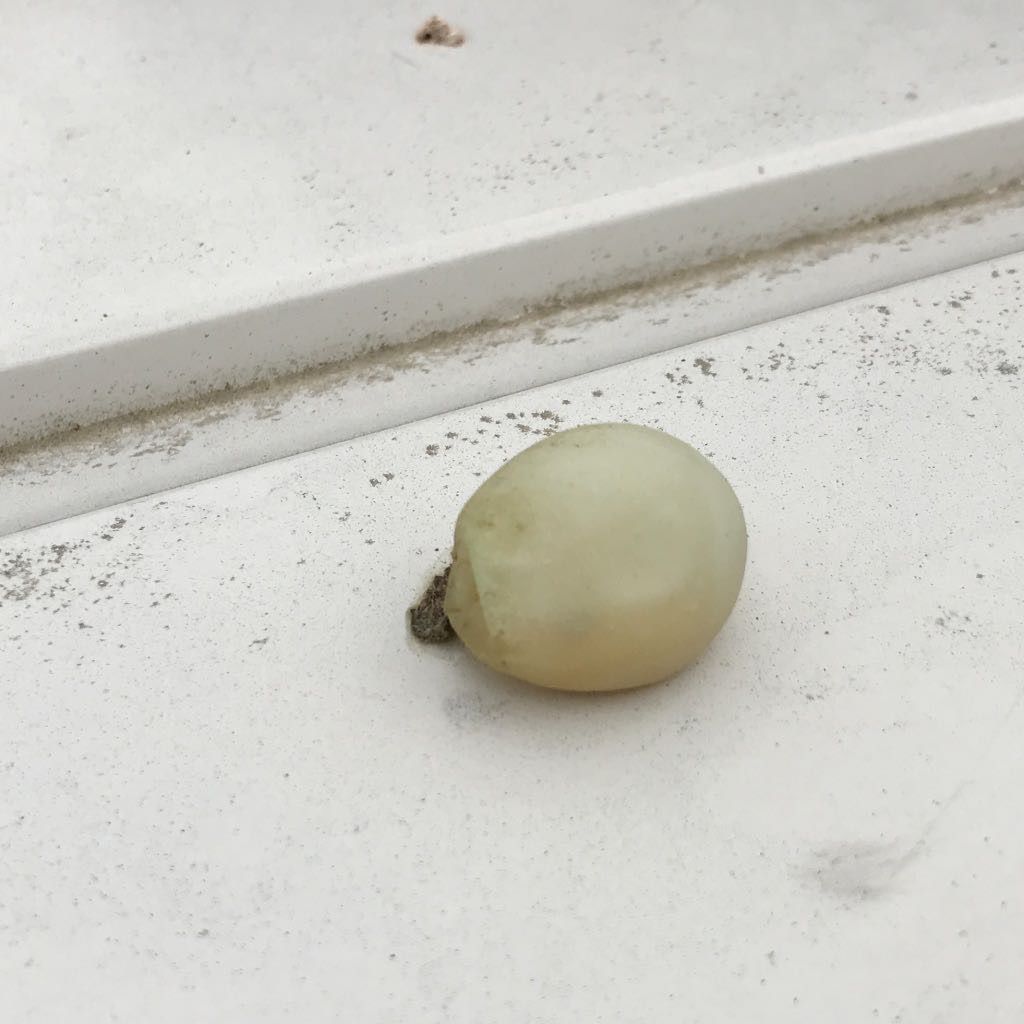
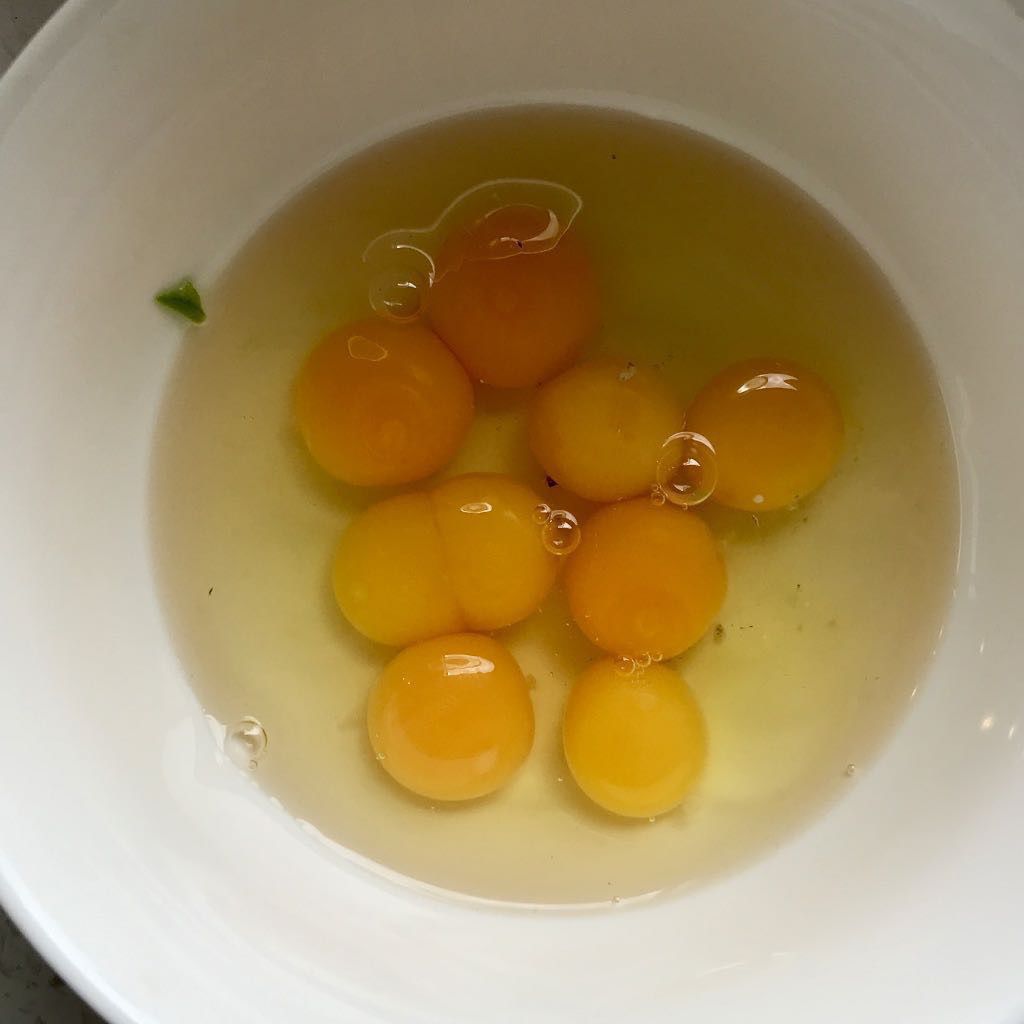
Today's quail update: sometimes a bird will lay an egg that has no shell around the internal protective membrane (Photo 1). Last week's unusually large egg (13 grams) produced a double-yolker (Photo 2). 🐦
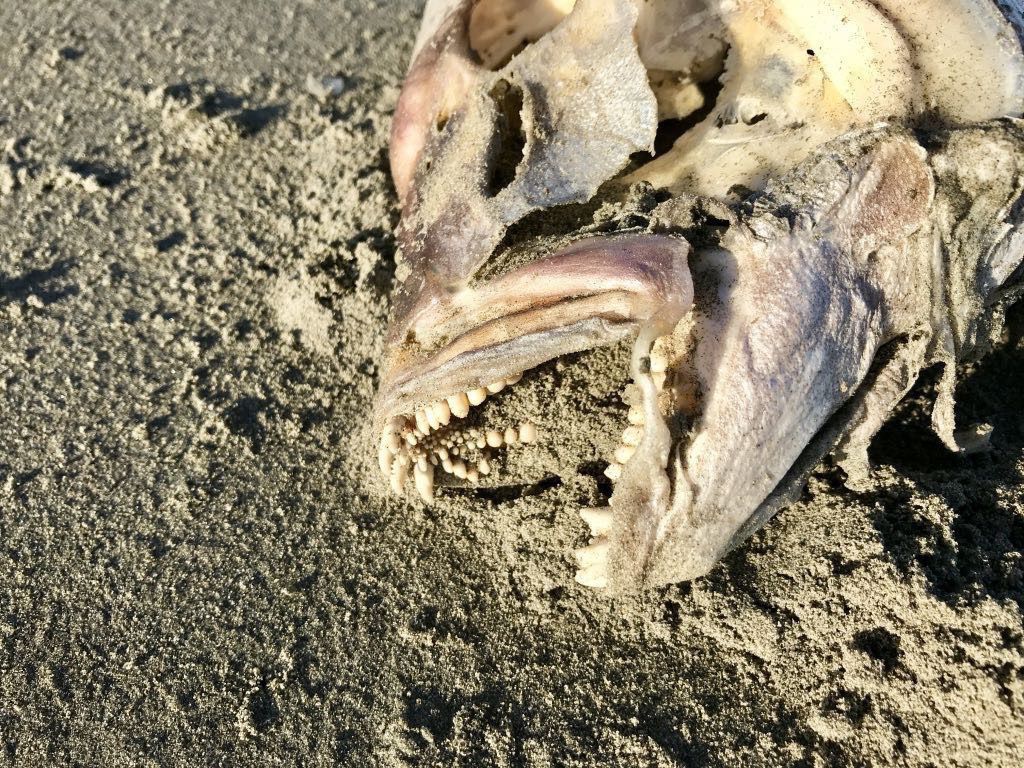
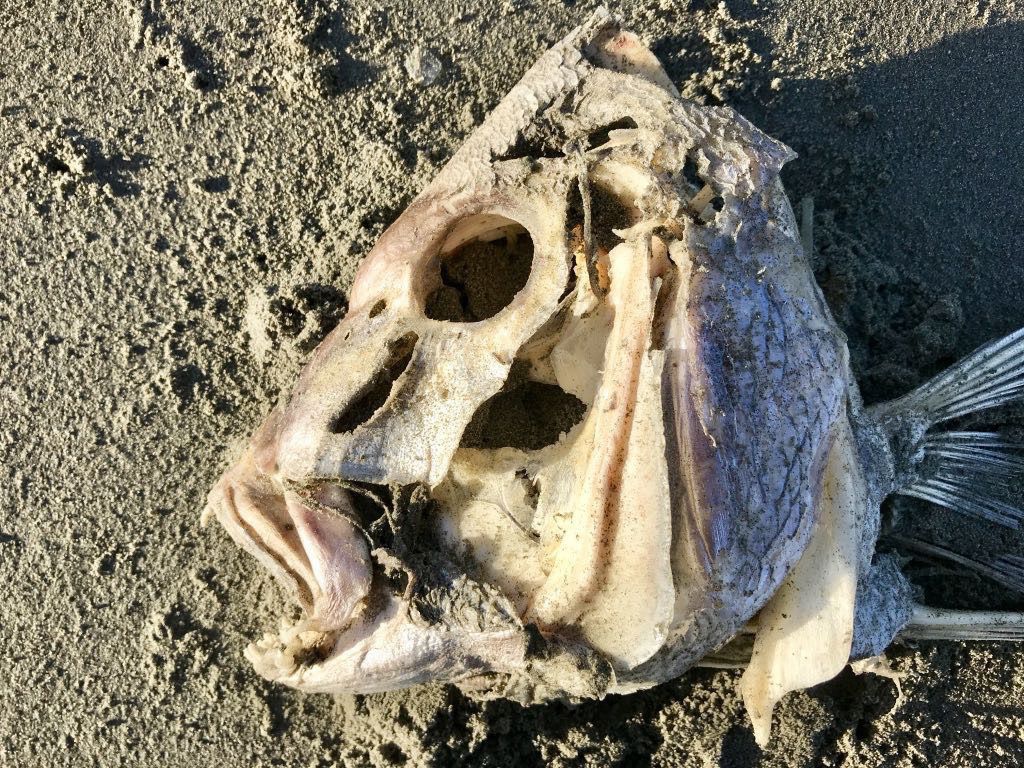
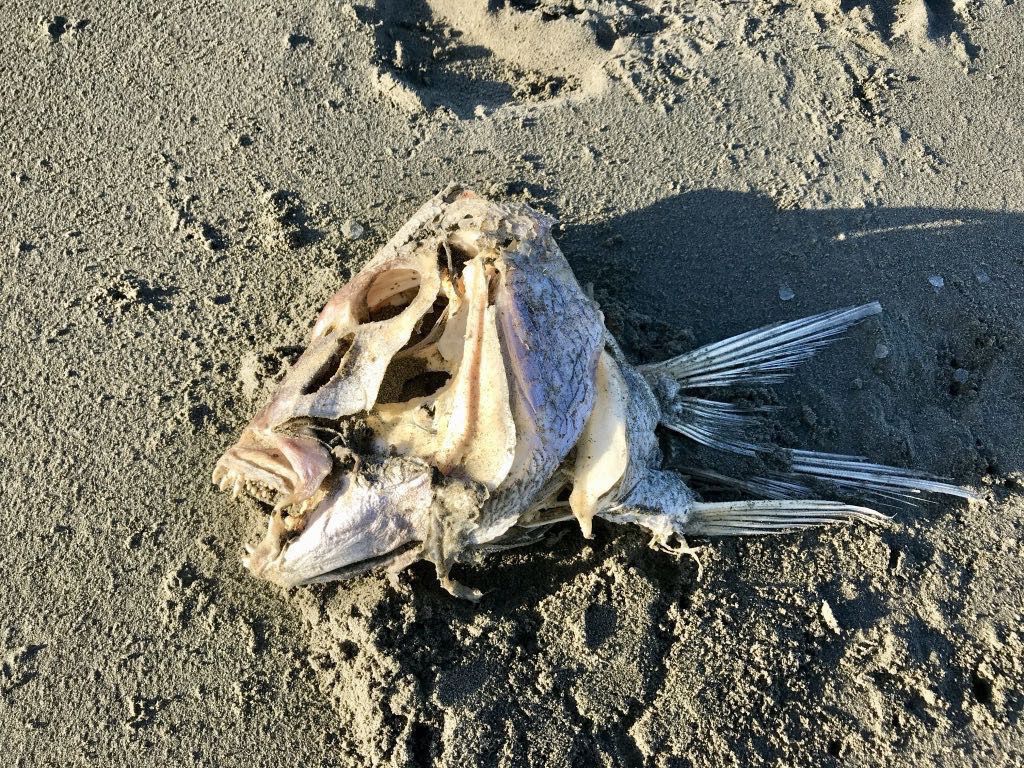
This unusual (to me) dead fish on the beach this morning may be a Black Oreo Dory.
large-eyed, silvery, deep-bodied, laterally compressed, and roughly discoid marine fish
Look at those teeth! This fish is all head and no body.
I’ve spent much of the day in bed as I’ve been feeling odd all day — a bit dizzy perhaps. On a rare trip ‘out’ I saw and heard baby quail Flop crowing. I guess that’s his sex sorted out then. Fliss almost certainly laid an egg this week, so that’s her sorted too. 🐤
There were interesting clouds at dusk tonight — braided and wave-like.


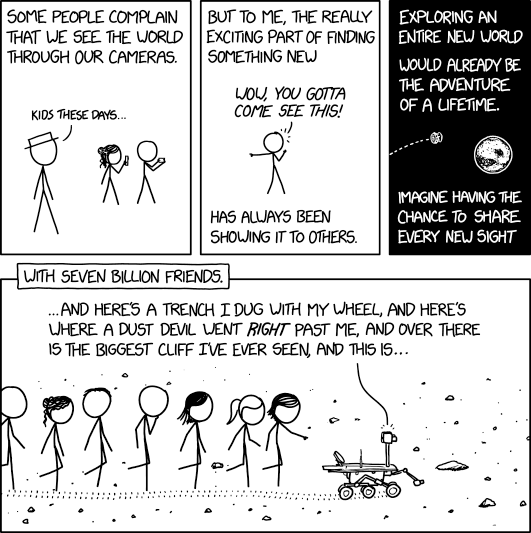
Today’s XKCD comic has to be one of my favourites.
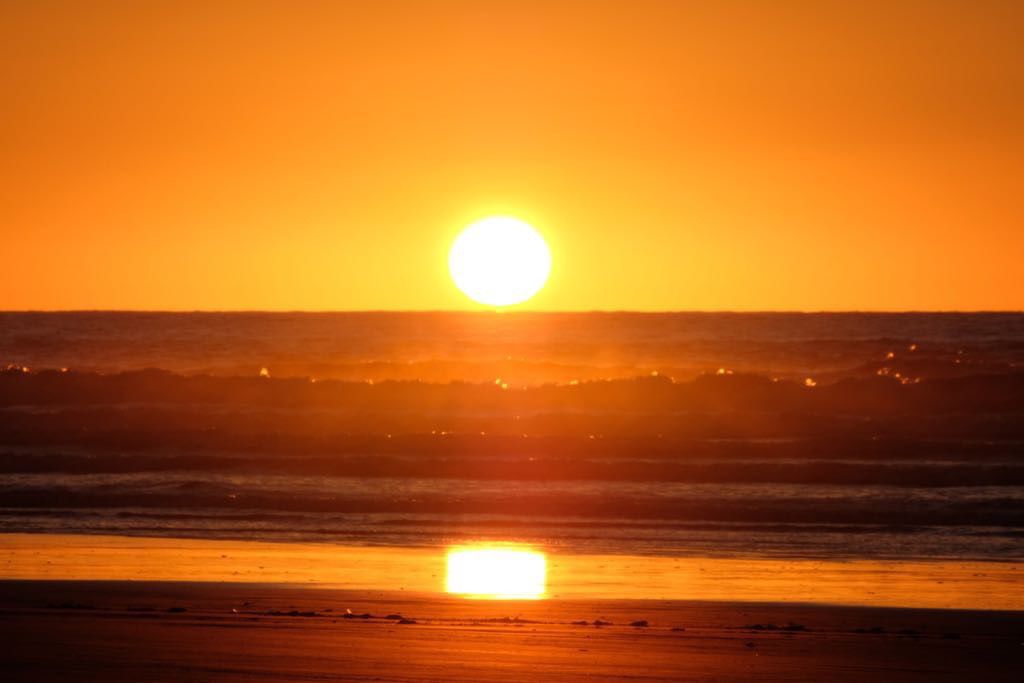
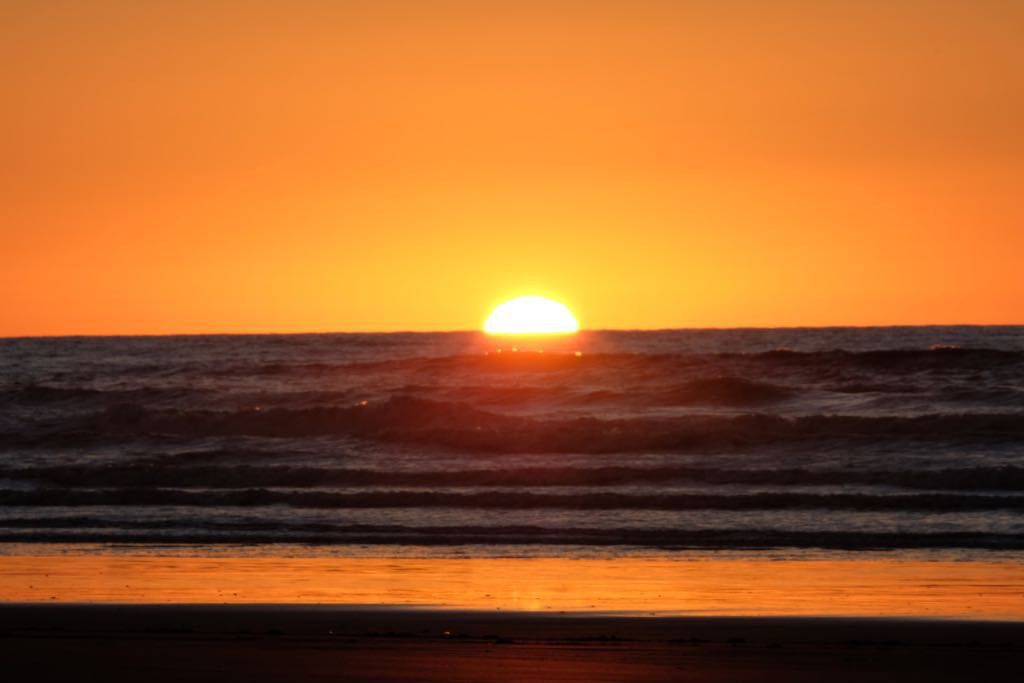
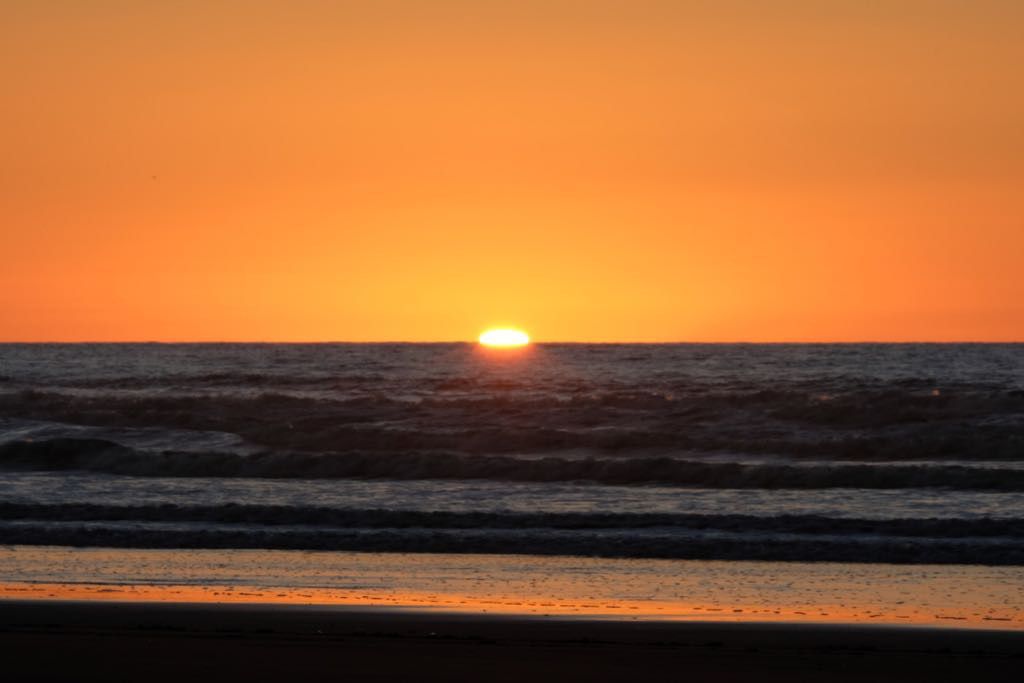
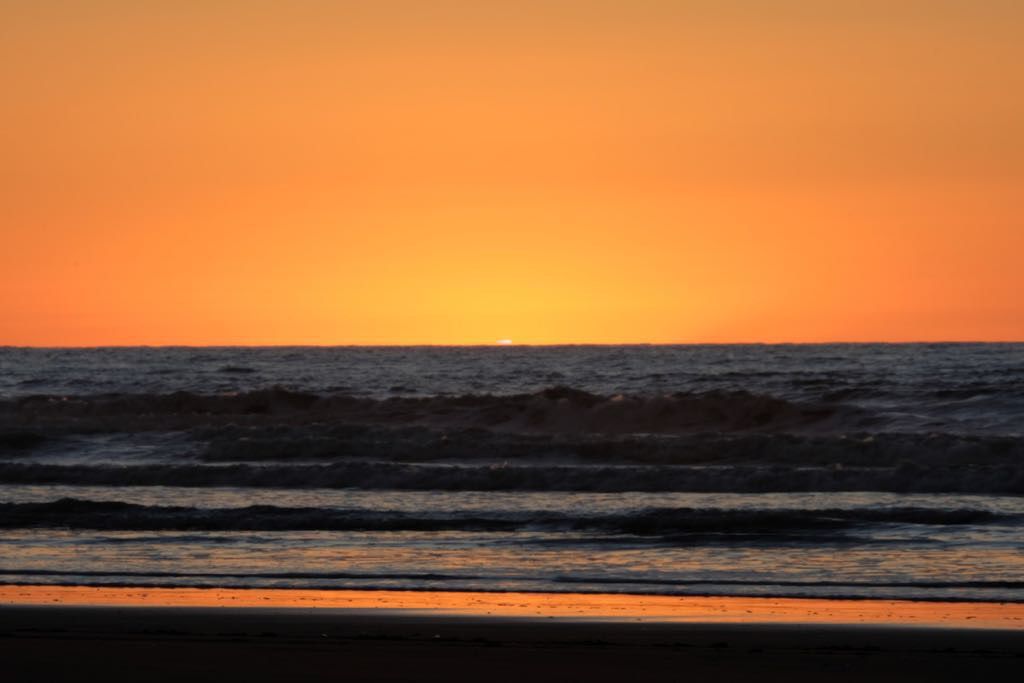
It seemed fitting on the eve of my 64th birthday to go down to the beach and watch the sun set. It was a gorgeous evening!
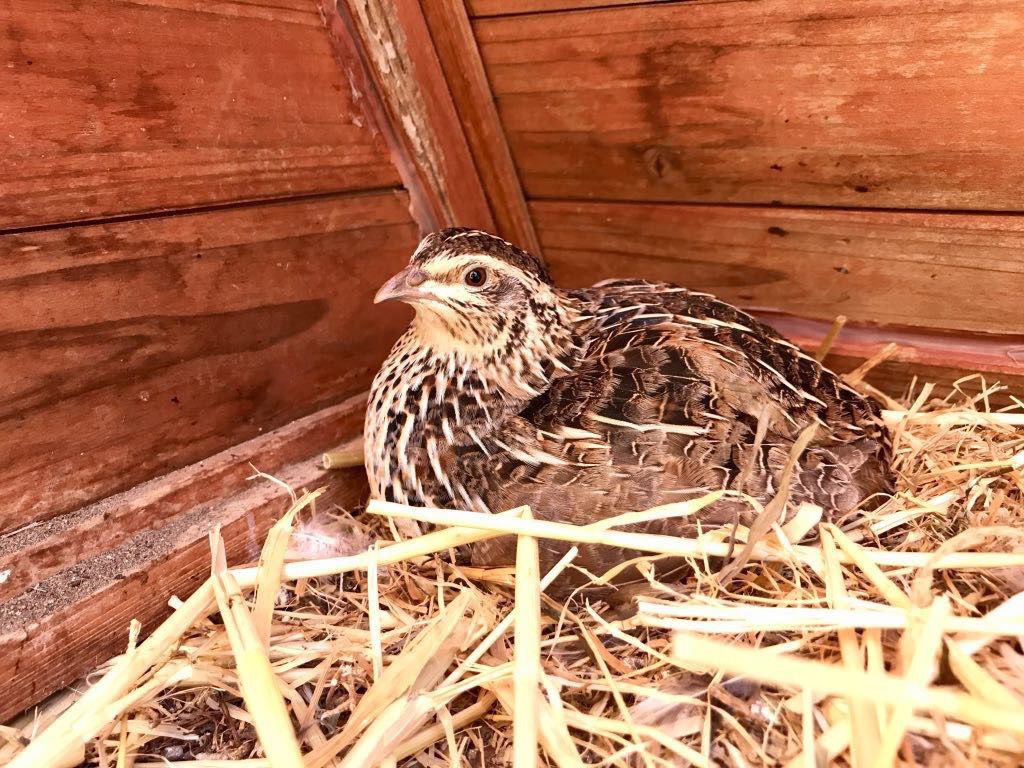
Felicia is a very dedicated mother. She's sitting on 5 eggs I've left with her. In a couple of weeks they *might* hatch. 🐦
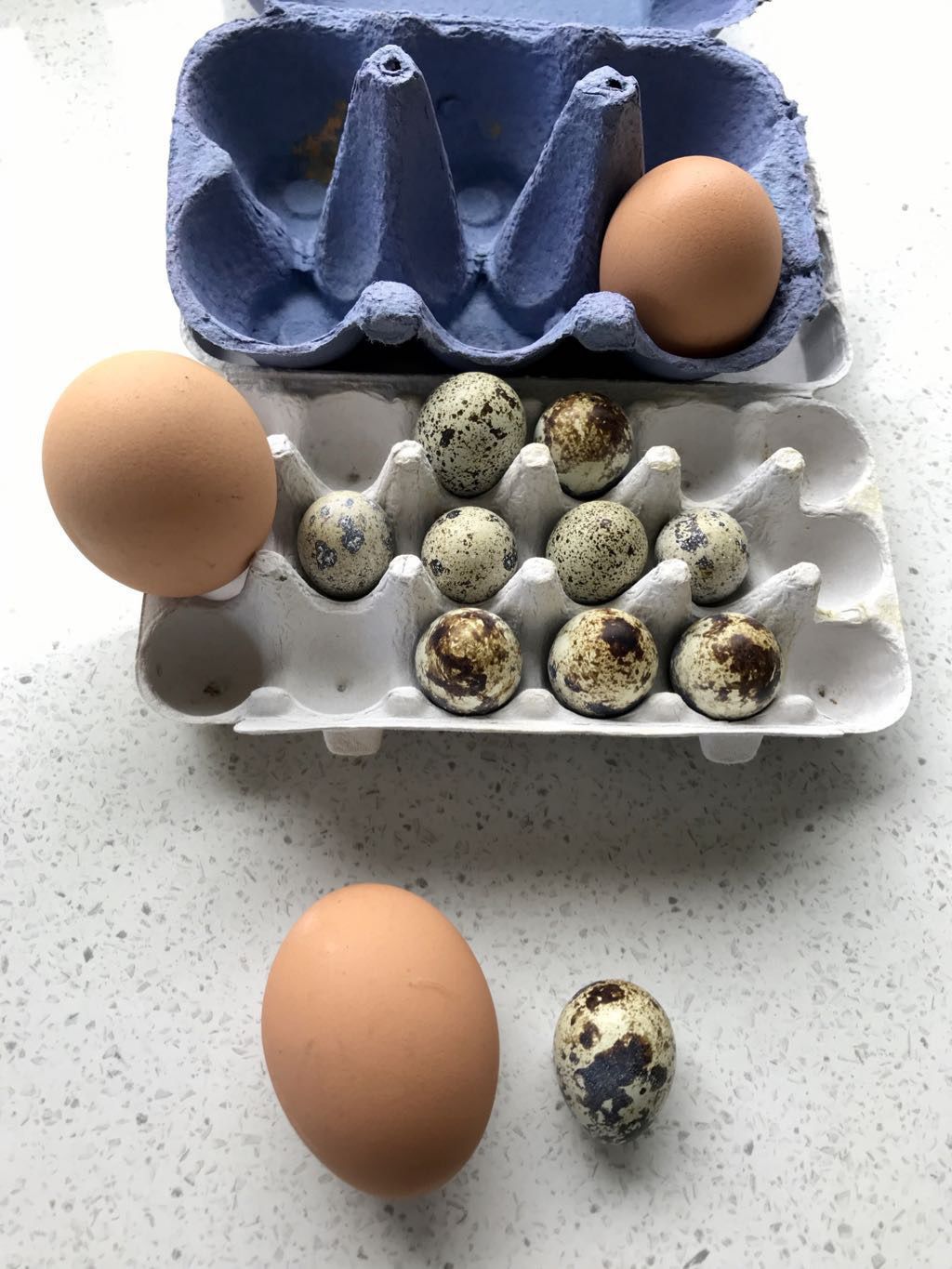
Hen egg vs quail egg. The last hen eggs we bought are jumbo size. In the photo I put a regular size Coturnix quail egg next to the smallest of the jumbo eggs. The hen eggs are in a normal egg box. Those for the quail are in a cute ‘chocolate' box a friend found. For [@smokey](https://micro.blog/smokey) . 🐦
Found: The women mathematicians responsible for calculating ballistics tables for missiles being used by allied forces in World War 2. (The Top-Secret, Female Computers of World War II)
Also on the beach today this probable green-lipped mussel, with brown ‘beard’.
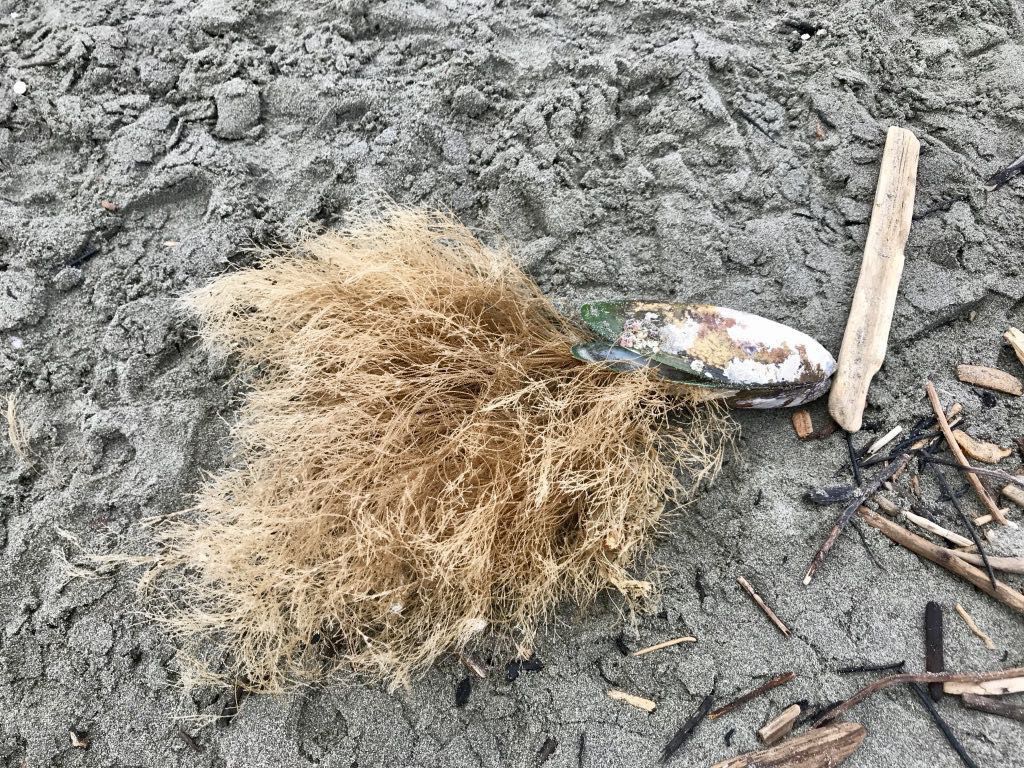
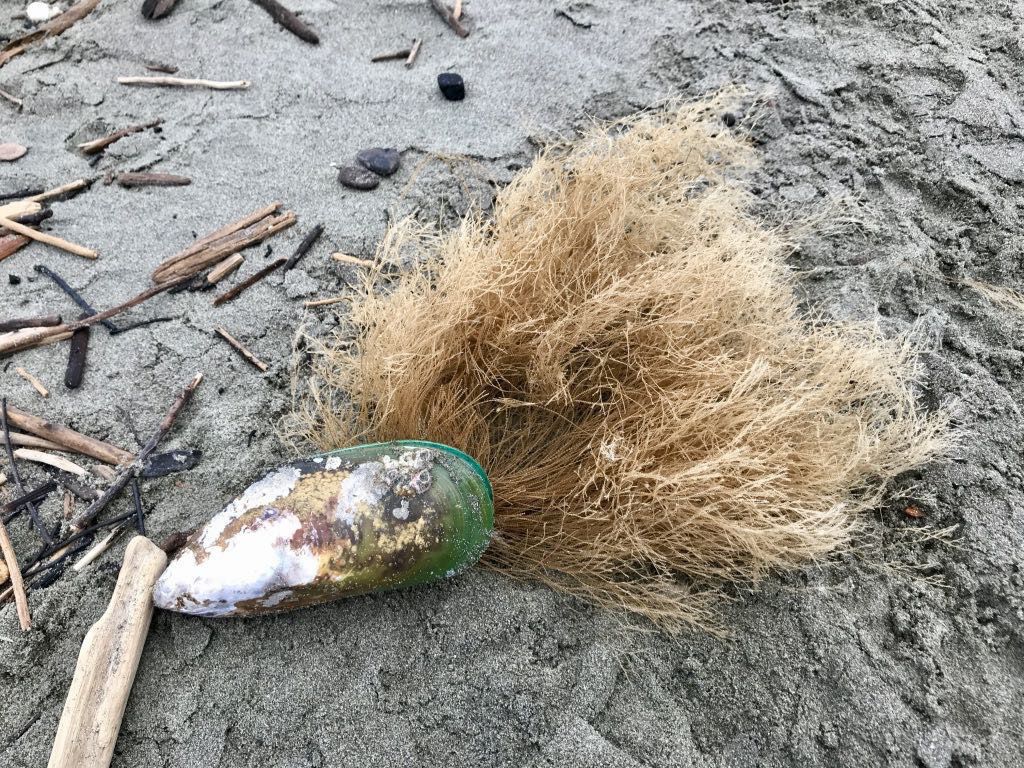
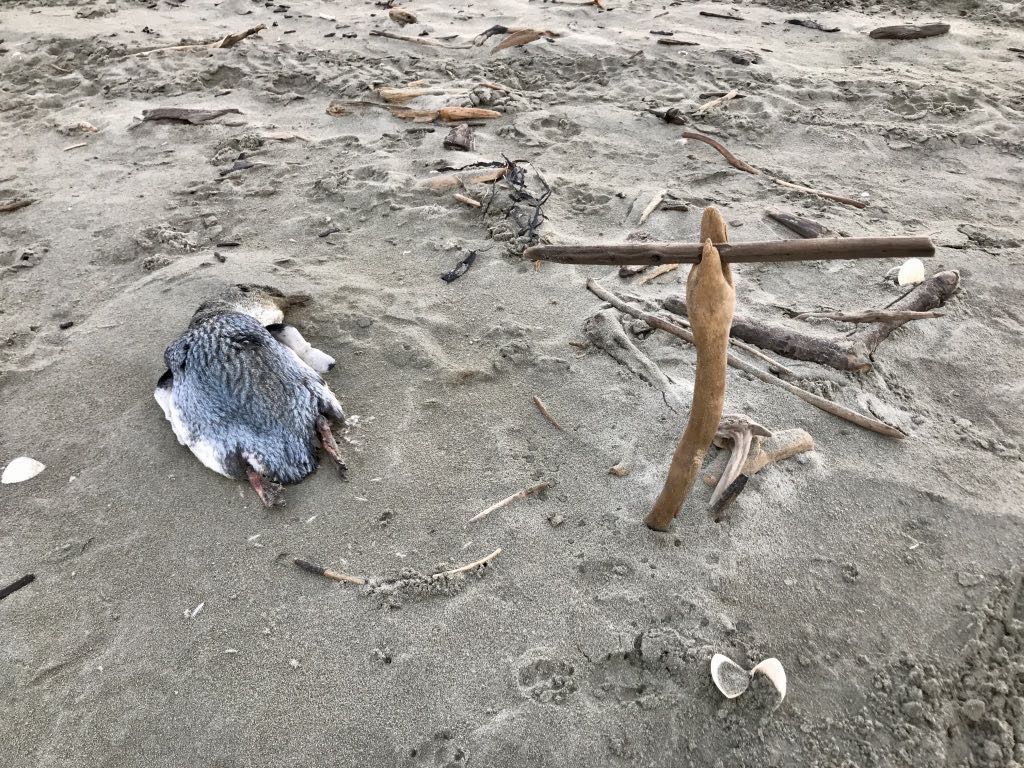
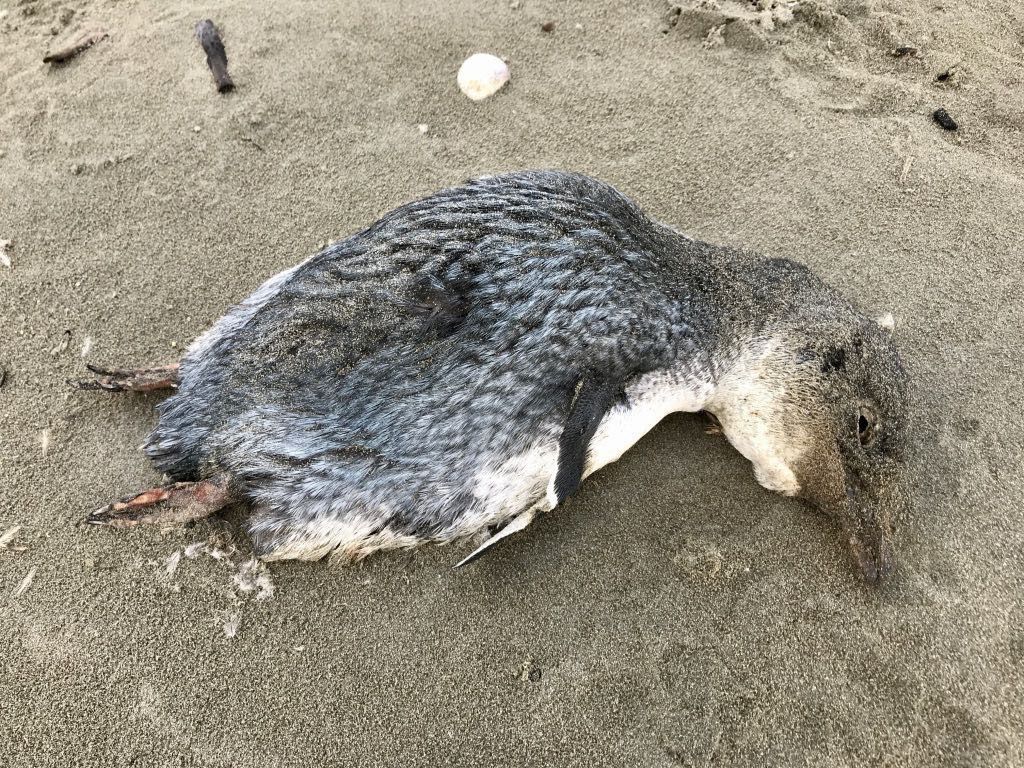
I haven’t seen any penguins on our beach — until today with this dead one. 😒
Someone had marked its location with a driftwood cross of sorts. The bird was roughly 48 cm from beak tip to ‘tail’ end. 🐦
Florence and Felicia are two of last year’s quail. One of them laid the middle egg in the photo of 3 eggs. It’s a normal size for a quail egg (11 grams). Spot is from the previous year, and Fliss is now 7 weeks old.
This tiny egg (9 grams) and the huge egg (13 grams) came from the run they’re in. 🐦