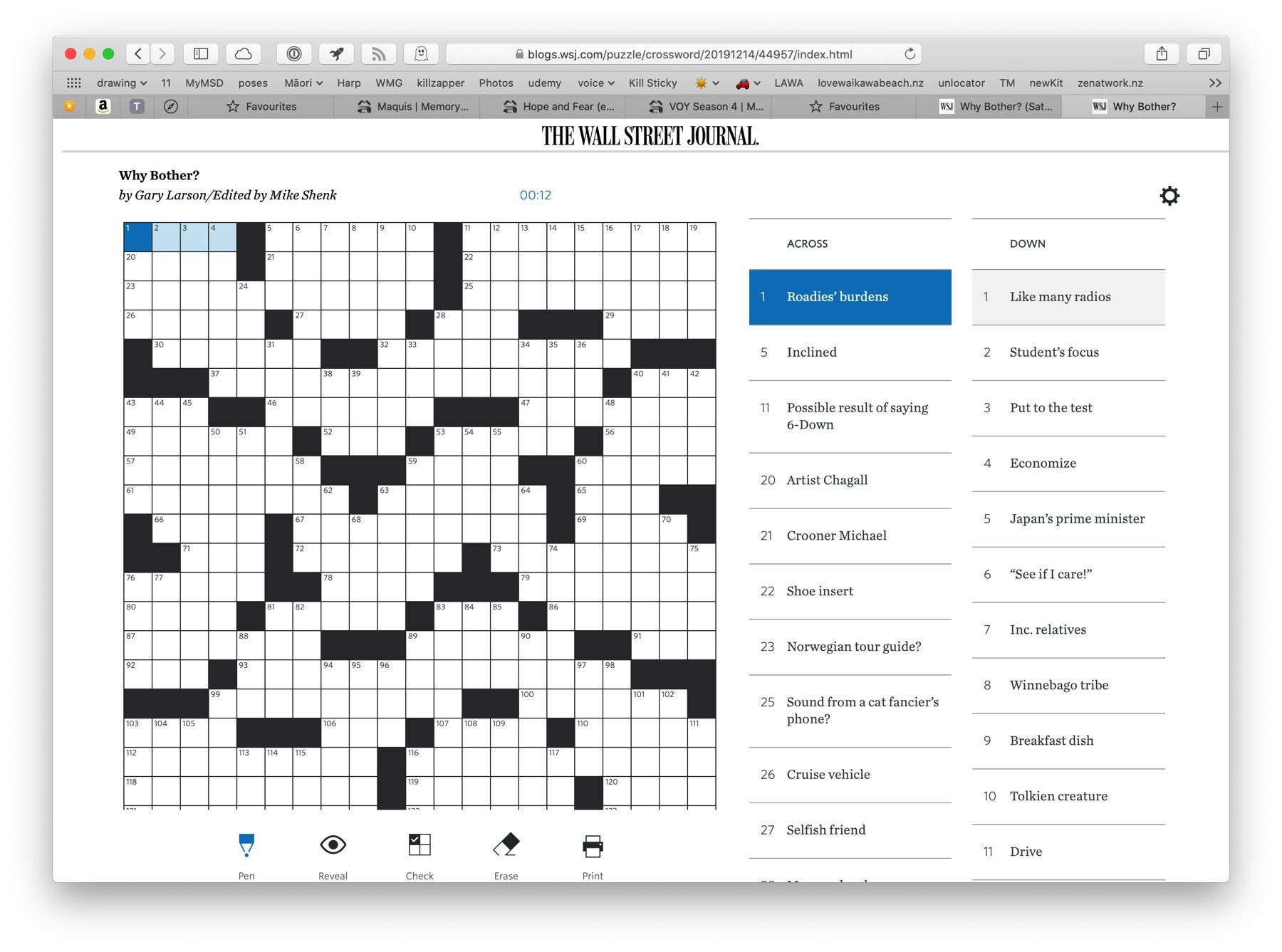
The Wall Street Journal crossword for 14 December 2019 had some excellent puns. Of course, the absolute best way for a Mac user to solve it is with Black Ink 2 app by @danielpunkass. With holidays coming up why not try a few crosswords?
Life lessons from Star Trek: Voyager:
Our situation is deperate. When faced with desperate circumstances, we must adapt.
Seven of Nine, Demon, S04E24. 🖖🏼

Our Māori language teacher shared this delightful sentiment:
Kia hora te marino, kia whakapapa pounamu te moana, kia tere te kārohirohi i mua i tōu huarahi.
May the calm be widespread, May the ocean glisten as greenstone, May the shimmer of light ever dance across your pathway.
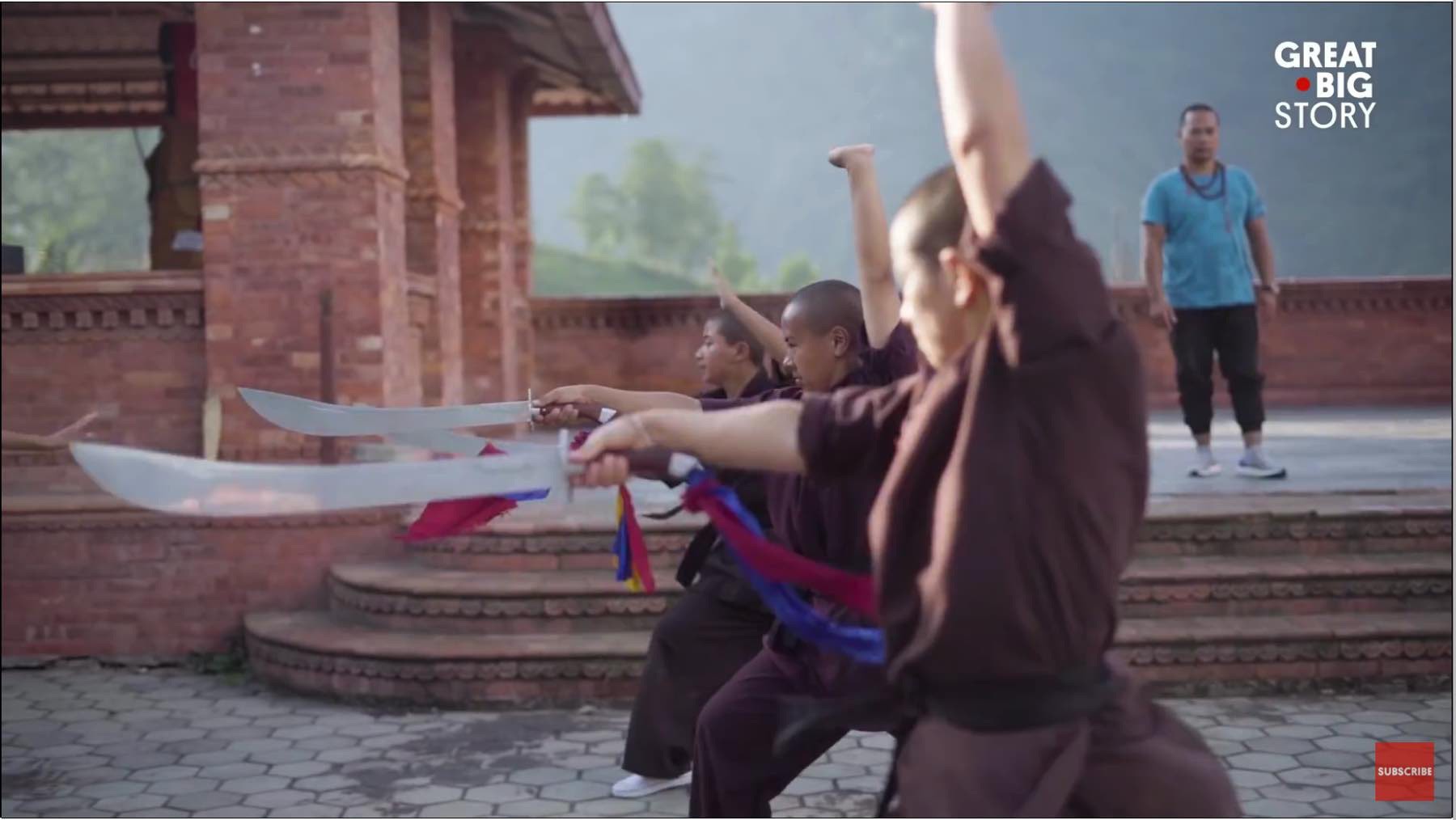
Best nuns ever: The Kung Fu Nuns of the Drukpa Order:
train in kung fu and meditate … prepares them for their real duty: helping others.
teach self-defense classes for women … protest against … climate change & human trafficking … solar panel repair technicians.
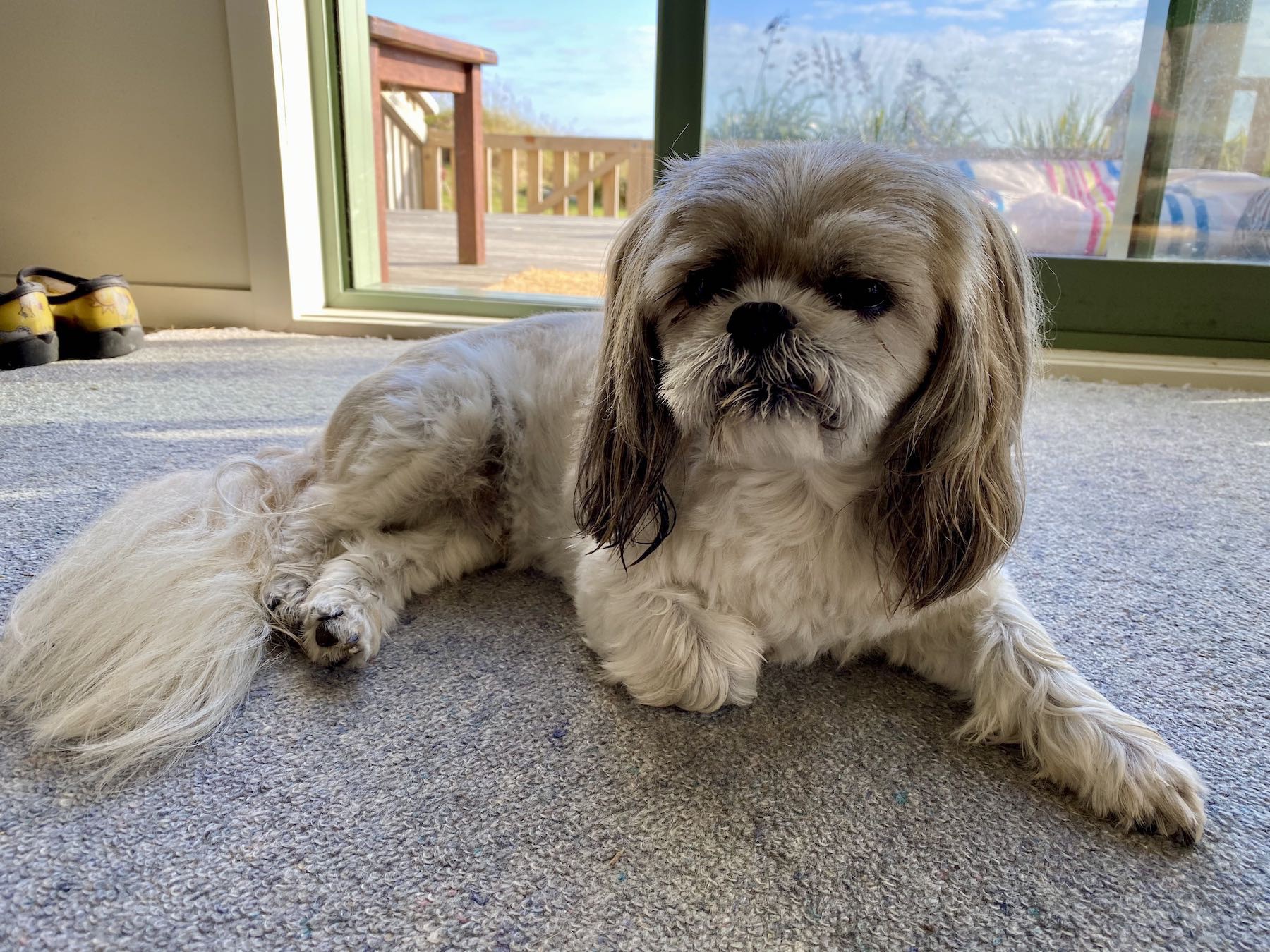
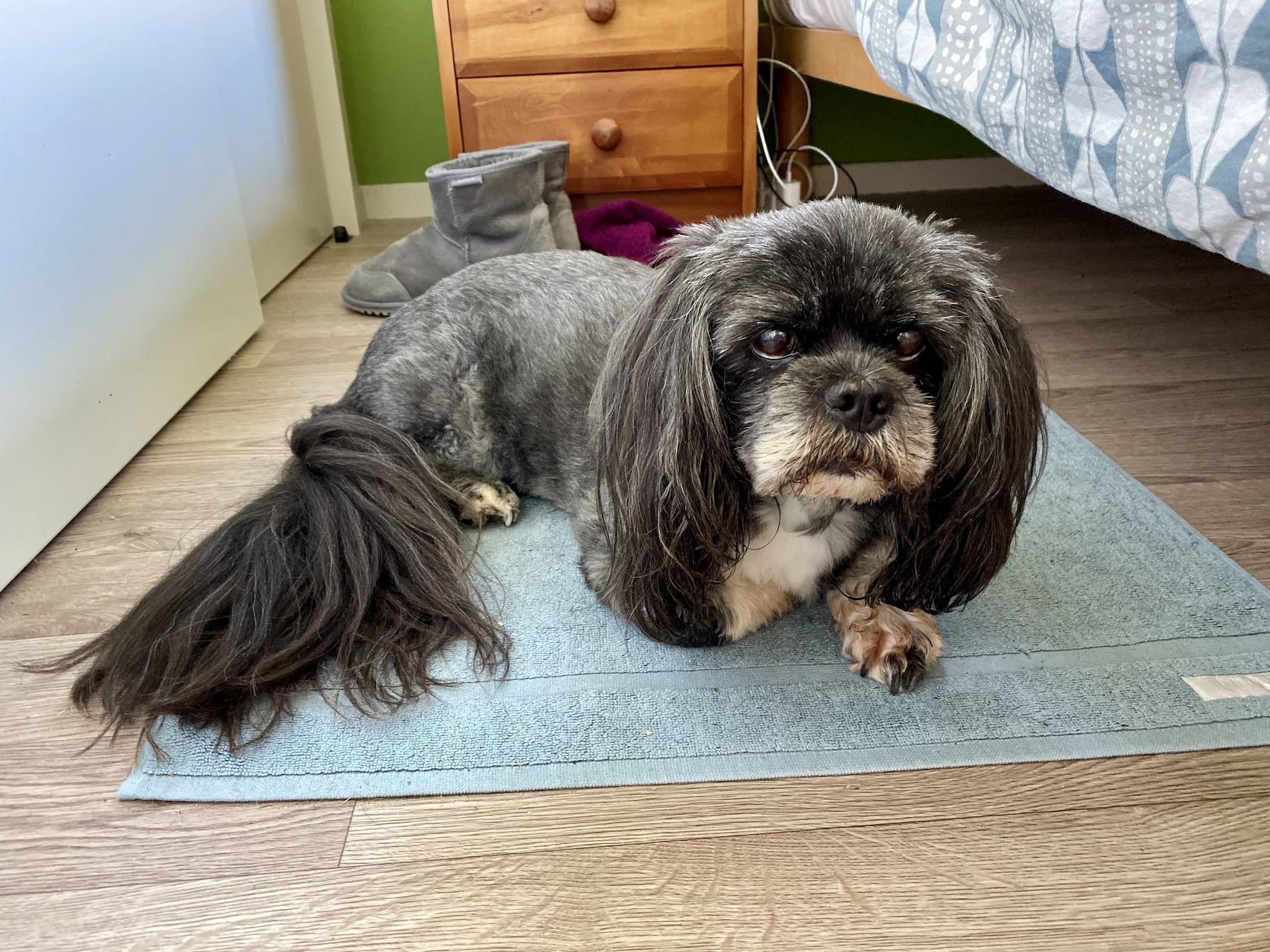
Guess which two dogs named Sasha and Oshi had their 13th birthday today. Special treats were enjoyed. 🐶
Just rewatched Star Trek: Voyager S04E14, Message in a Bottle. I’d forgotten how hilarious this episode is — perhaps one of the funniest of all. Not one, but two, Emergency Medical Holograms! 🖖
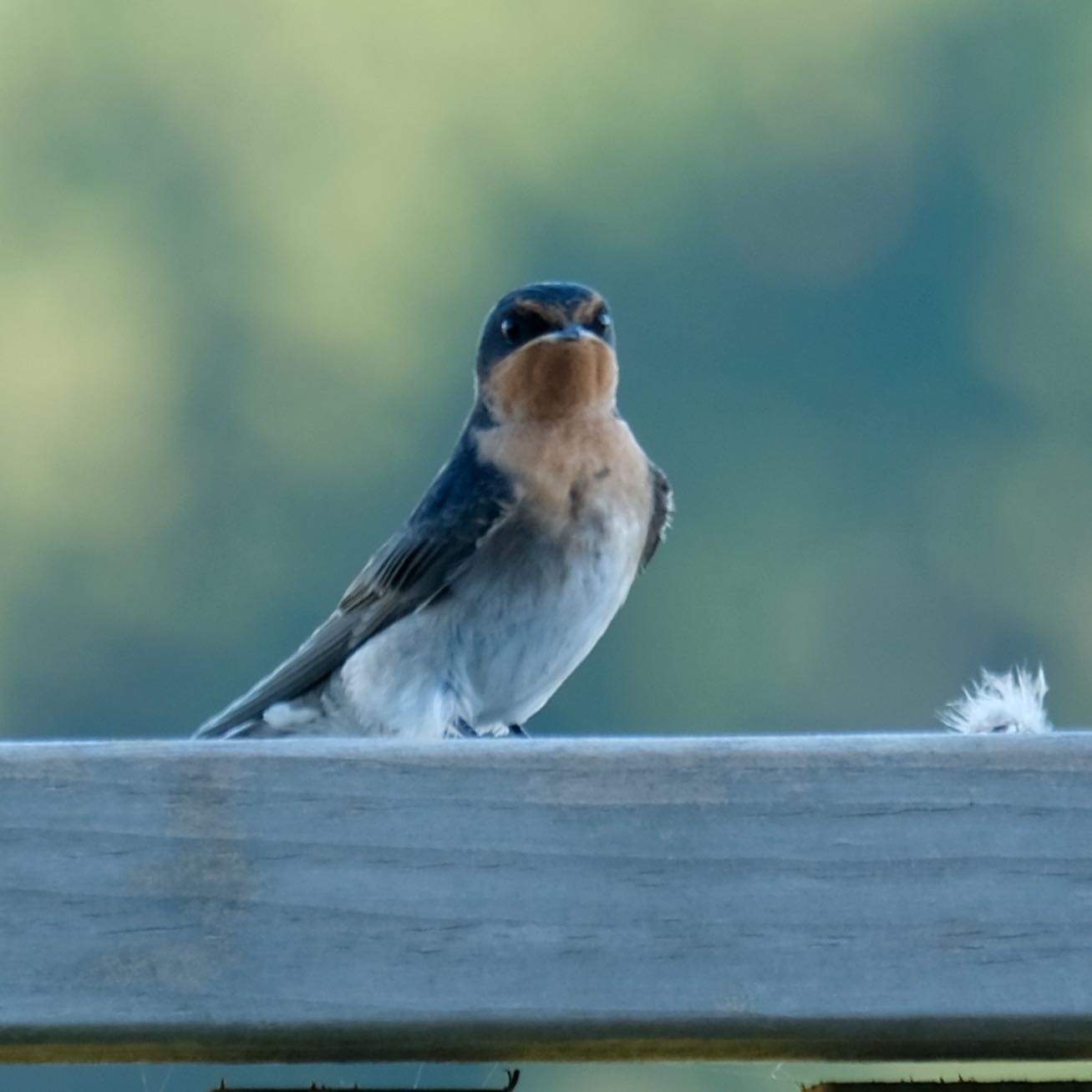
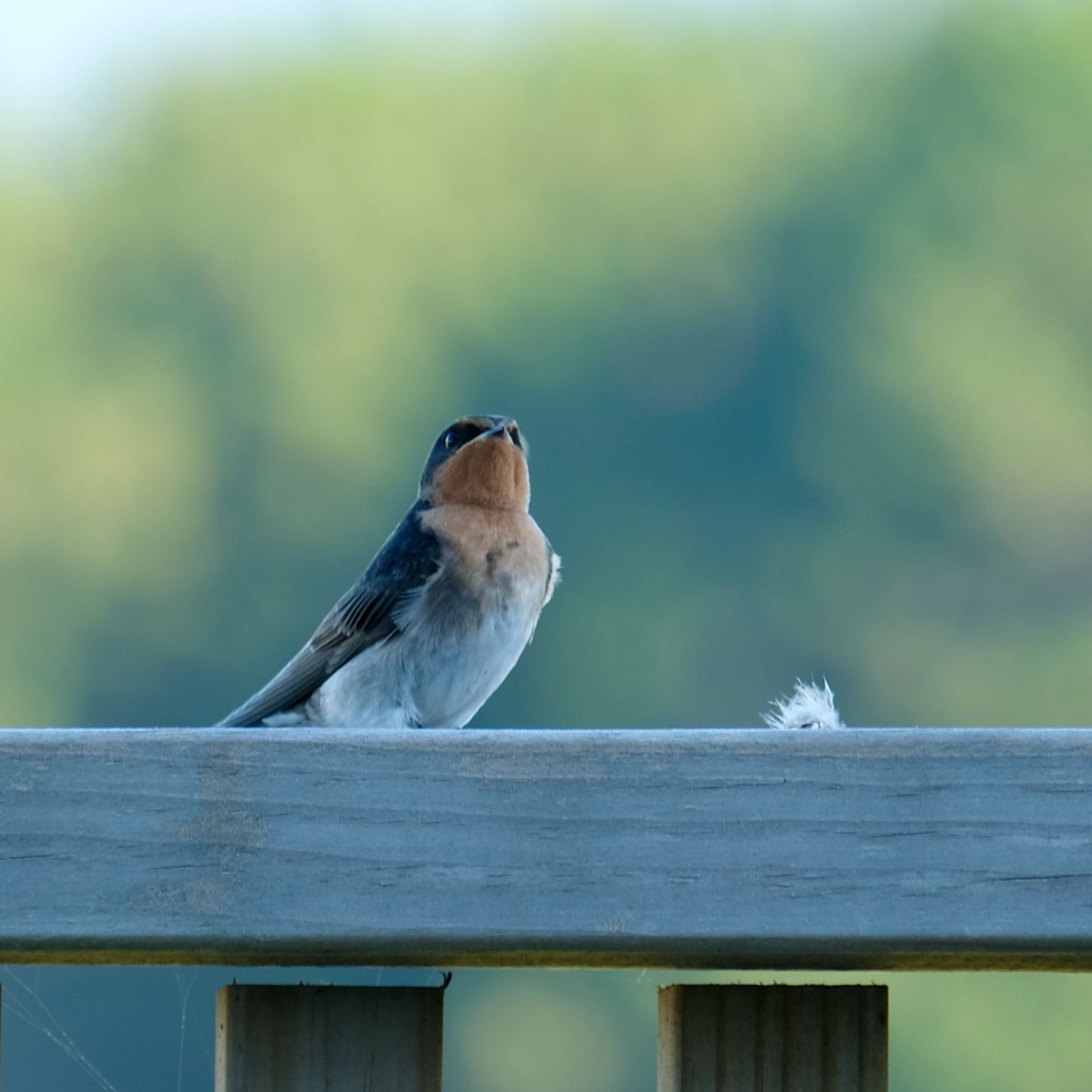
It’s the time of year when Warou, Welcome Swallows, swoop around the house, sometimes coming in and either getting ‘stuck’ in a corner, or swooping out again. 🐦
A self-introduced species from Australia … Welcome swallows first bred in NZ in 1958. By 1965 they were common
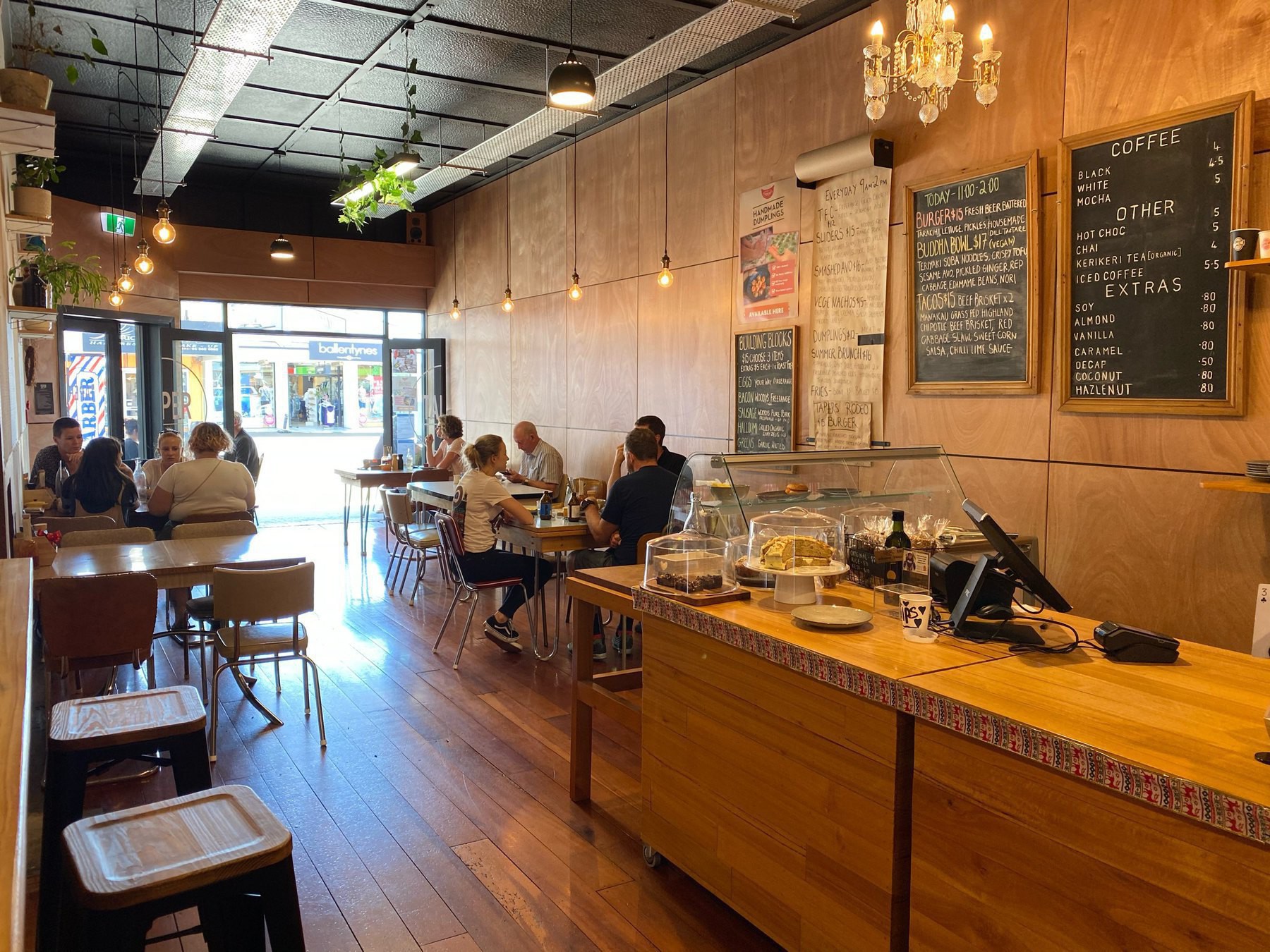
Taper Cafe in Levin (opposite the Mall) is owned by friends. This is my first visit. Great ambience. Excellent food choices.
Whew, felt like I had a huge and unachievable list of things to do today. I’ve checked off most and now just have one biggie to do: supermarket shopping for Deb’s Sesshin which starts tomorrow. At least I have an excellent list to buy from. Just have to get it onto my phone.
Let the fun times begin
People don't come to Waikawa Beach for the shopping, the coffee, or the nightlife. We are blessed to be free of all of those things. Instead visitors take the dogs or the kids for a walk on the beach, do a bit of fishing from shore or boat, wander by the river, or just enjoy being out in the fresh sea air.
The Godwits and Gulls, the Terns, Oystercatchers, Shags, Stilts, Royal Spoonbills, White-faced Herons, Dotterels and Ducks all provide excellent opportunities for keen photographers, and those who just like to sit quietly and observe.
Over the Christmas break the Waikawa Beach Ratepayers Association puts on family activities for anyone at the beach, especially for the kids. There's a Sports Day with its egg and spoon, sack and wheelbarrow races, and a Boat Day which gives people the opportunity to race their kayaks or to build something that's supposed to float (but often doesn't really). The BBQ and drinks afterwards are always well appreciated.
Sand Sculpture Day gets families digging in the sand, creating fabulous scenes, large and small. Dragons, dogs and dinosaurs, ships, volcanoes and robots — you never know what creators might bring to life out of previously featureless sand flats.
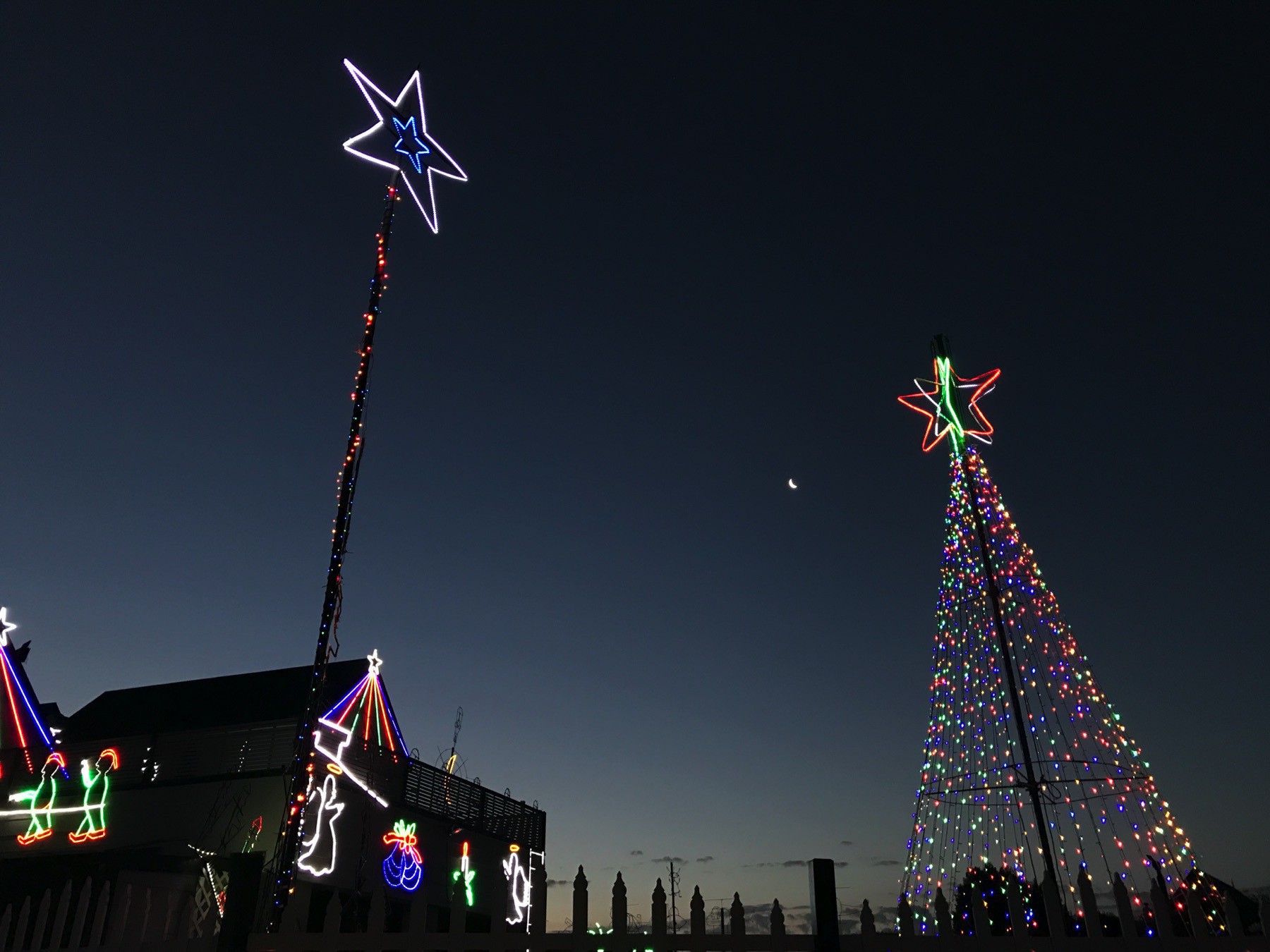
The Christmas holiday brings visitors from near and far to enjoy the beach (though it's hard to beat the 12,000 Km non-stop flight of the Kuaka).
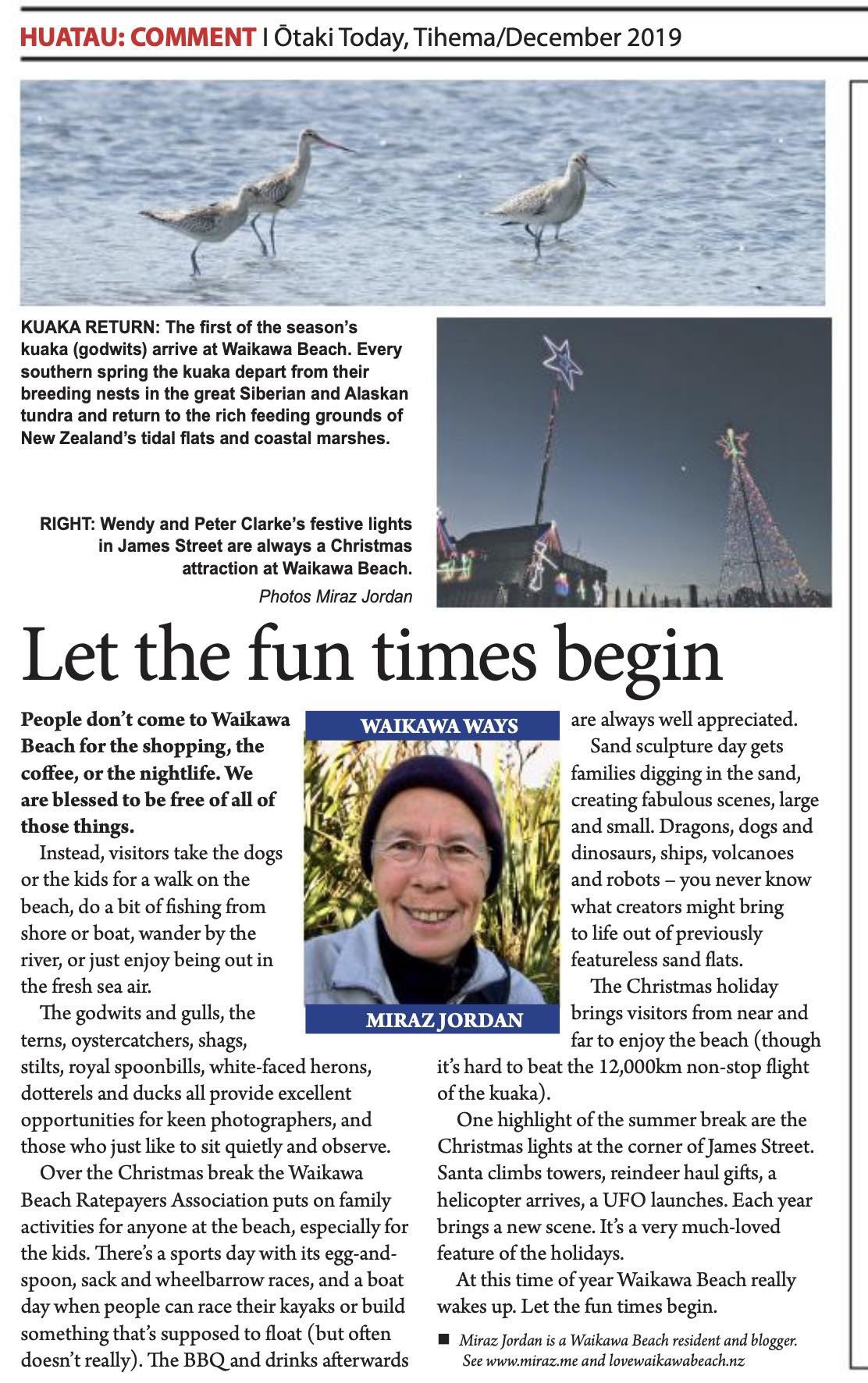
One highlight of the summer break is the Christmas Lights at the corner of James Street. Santa climbs towers, reindeer haul gifts, a helicopter arrives, a UFO launches. Each year brings a new scene. It's a very much-loved feature of the holidays.
At this time of year Waikawa Beach really wakes up. Let the fun times begin.
Originally published in [Ōtaki Today, December 2019](https://issuu.com/idmedia1/docs/_taki_today_dec_2019), page 25.
Note the Christmas cartoon. Can you pick out me?

I enjoy listening to @hollyhoneychurch Late Night Harp. I select the file in the Finder and play it from Quick Look. If I select something else though, the music stops. I looked for a very simple music player and found Simple MP3 Player (free). It simply plays the tracks. 👍👍

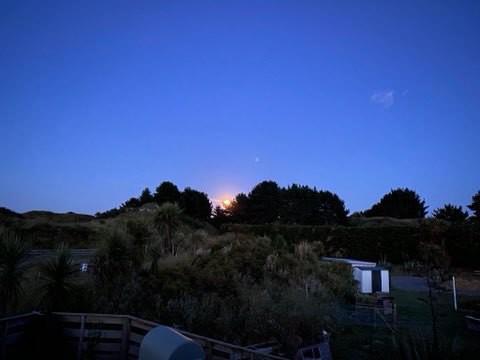
I woke at 5 to a full moon setting. The dawn chorus was loud. Not sure if I can export from Voice Recorder direct to M.B. …
So interesting. 10 minutes: Barbara Cox, the matriarch of New Zealand football
New Zealand has come a long way in its treatment of female athletes, but only thanks to those who refused to put up with double standards long ago. Barbara Cox is one of them and her work isn’t done.
These heroes deserve the highest honour we give out in New Zealand.
it was super gassy … consistently the ash was falling, the helicopter was covered in it, we were covered in it.
trying to carry people through distances and put them into helicopters…
Whakaari eruption.
I’ve been attending a useful yoga class. Although the instructor gives clear explanations of what to do, I’m finding the Yoga Journal to be a helpful reference with more detail.
I’m a little peeved that the BatWoman episode of Crisis on Infinite Earths was very light on BatWoman and heavy on all kinds of men — Arrow, Superman, Lex Luthor, Monitor, male Legends. Blimey!
If you’re a 👩🏽 and watching Crisis on Infinite Earths then you may enjoy the Autostraddle recaps as much as I do. Great fun. I guess non-👩🏽 may enjoy them too…
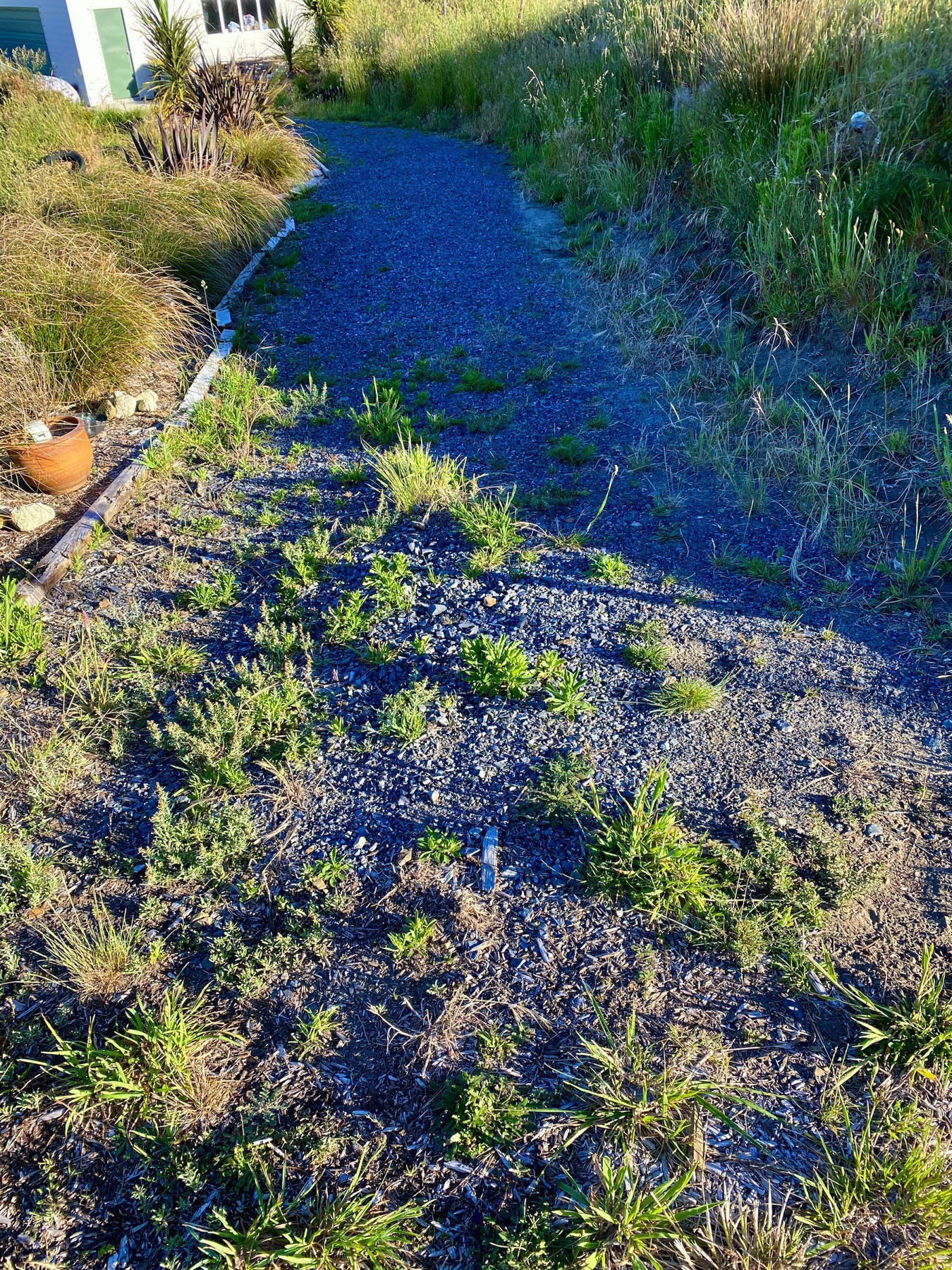
This bunch of weeds is supposed to be a shingle driveway leading from the house to the garage. It was very still this morning with a hot day forecast so I kitted up early in protective gear and turned to the poison spray. Before long these weeds should be dead.