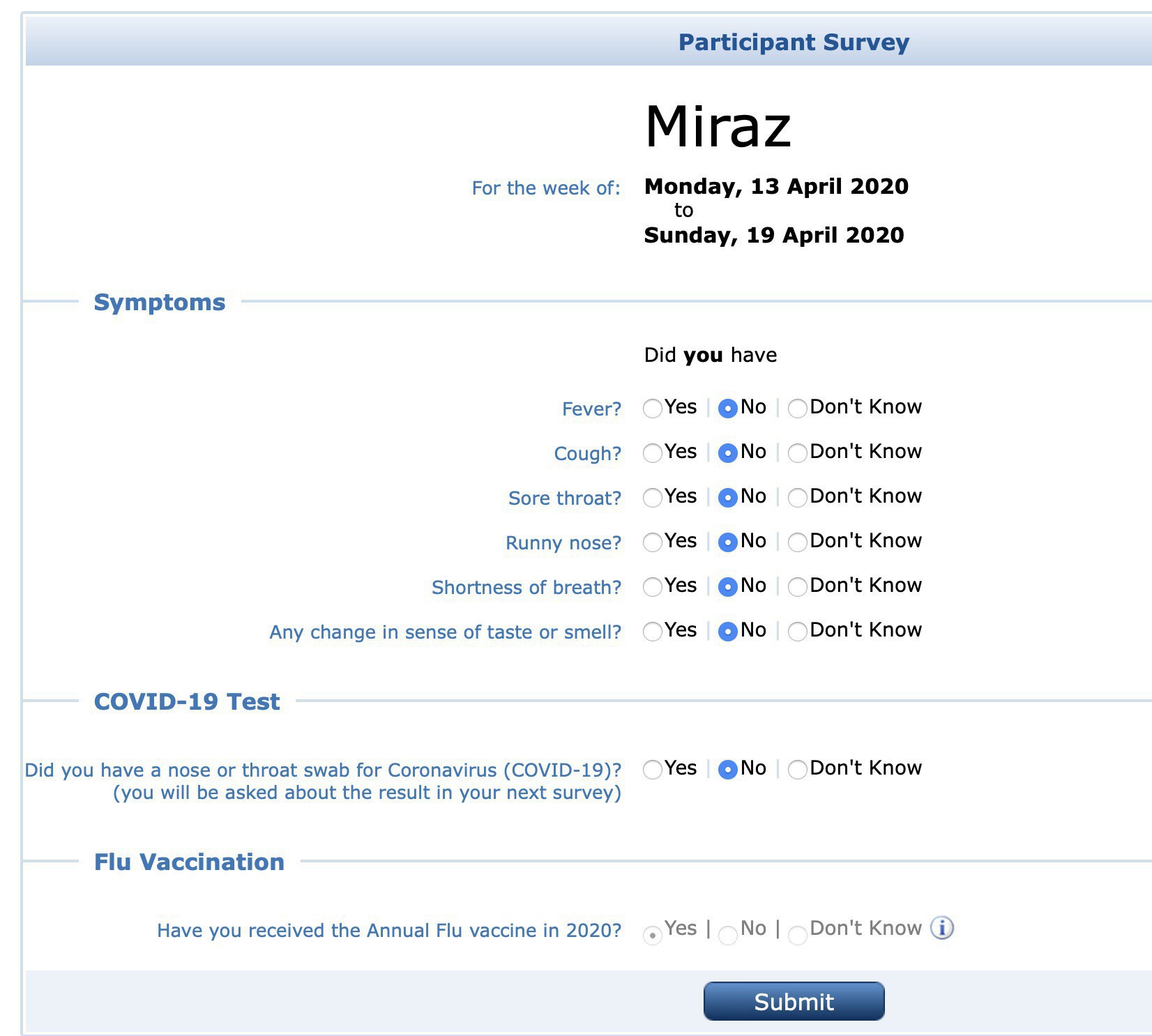
Glad to be part of of FluTracking: 😷
to develop a system that can provide:
- Community level influenza-like illness surveillance
- Consistent surveillance of influenza activity …
- Year-to-year comparison of the timing, attack rates, and seriousness of influenza in the community.
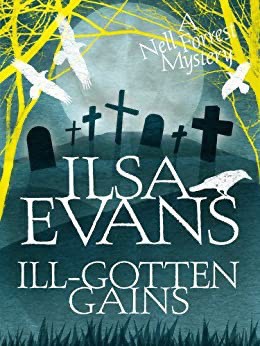
The second Ilsa Evans book in the Nell Forrest series and equally enjoyed: Ill-Gotten Gains 📚
A minor act of cemetery vandalism lands … Nell Forrest right in the path of historical inevitability. An apparent murder-suicide leads to … a century-old scandal.
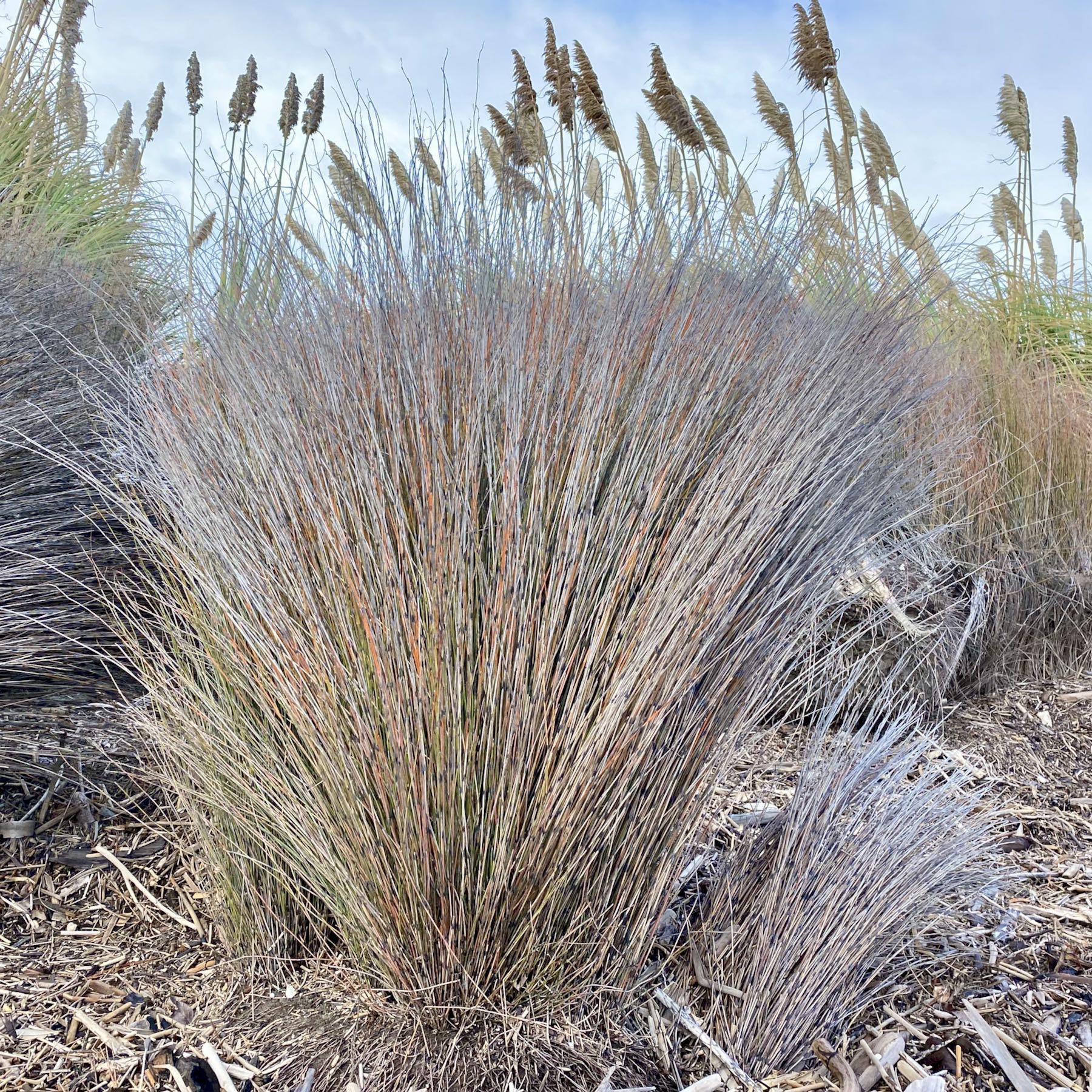
On the edge of the estuary, these grasses / rushes caught my attention today. Very textured.
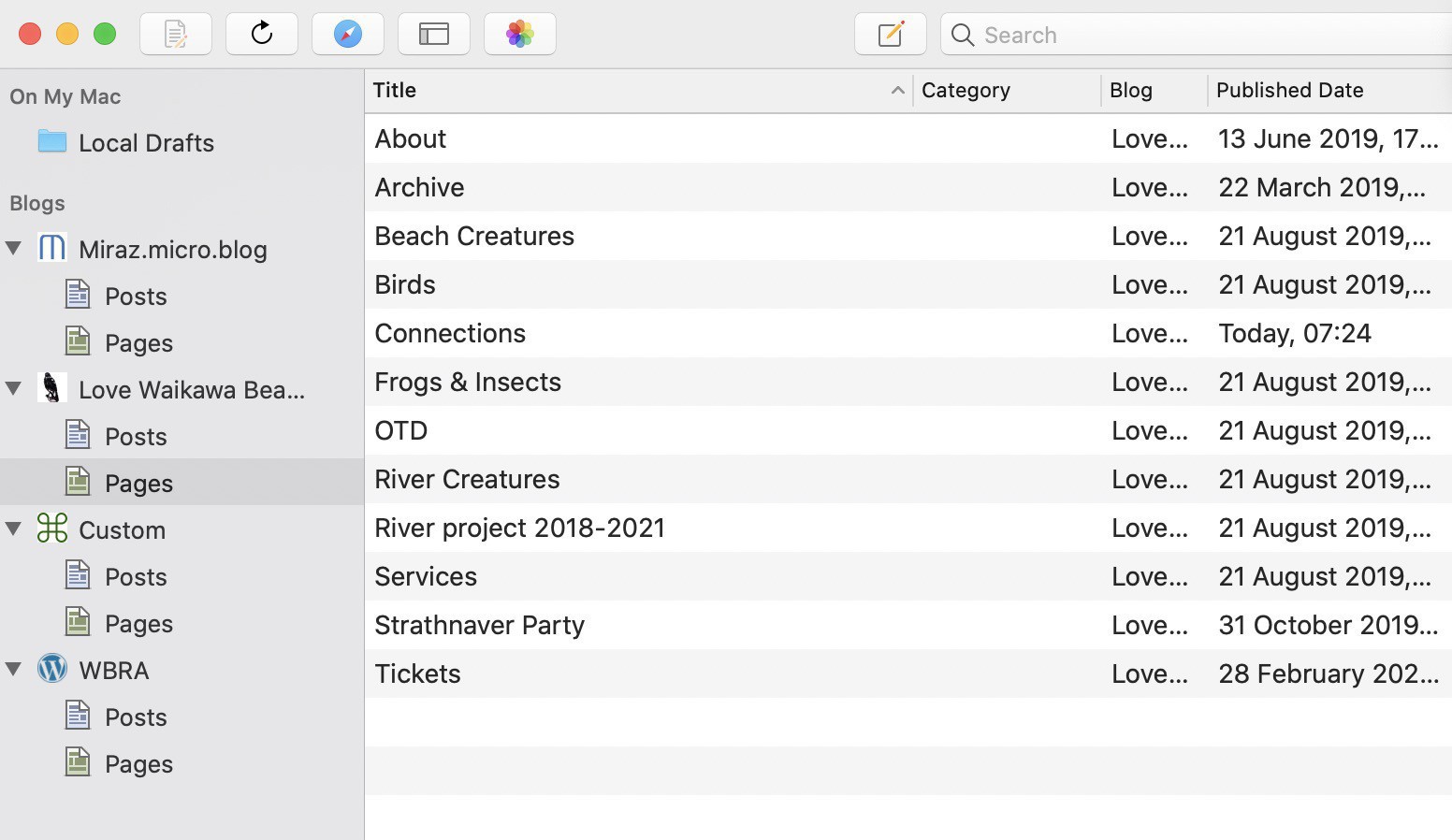
I’m loving being able to see and edit the Pages on my 3 different Micro.Blogs with the alpha of MarsEdit 4.4. It’s soooo easy and works beautifully. Thanks @danielpunkass and @manton for the work to make this happen. Saves a lot of faffing about.
June Almeida peered into her electron microscope in 1964, she saw a round, grey dot covered in tiny spokes …would become known as the coronavirus. That feat was all the more remarkable because the 34-year-old scientist never completed her formal education.
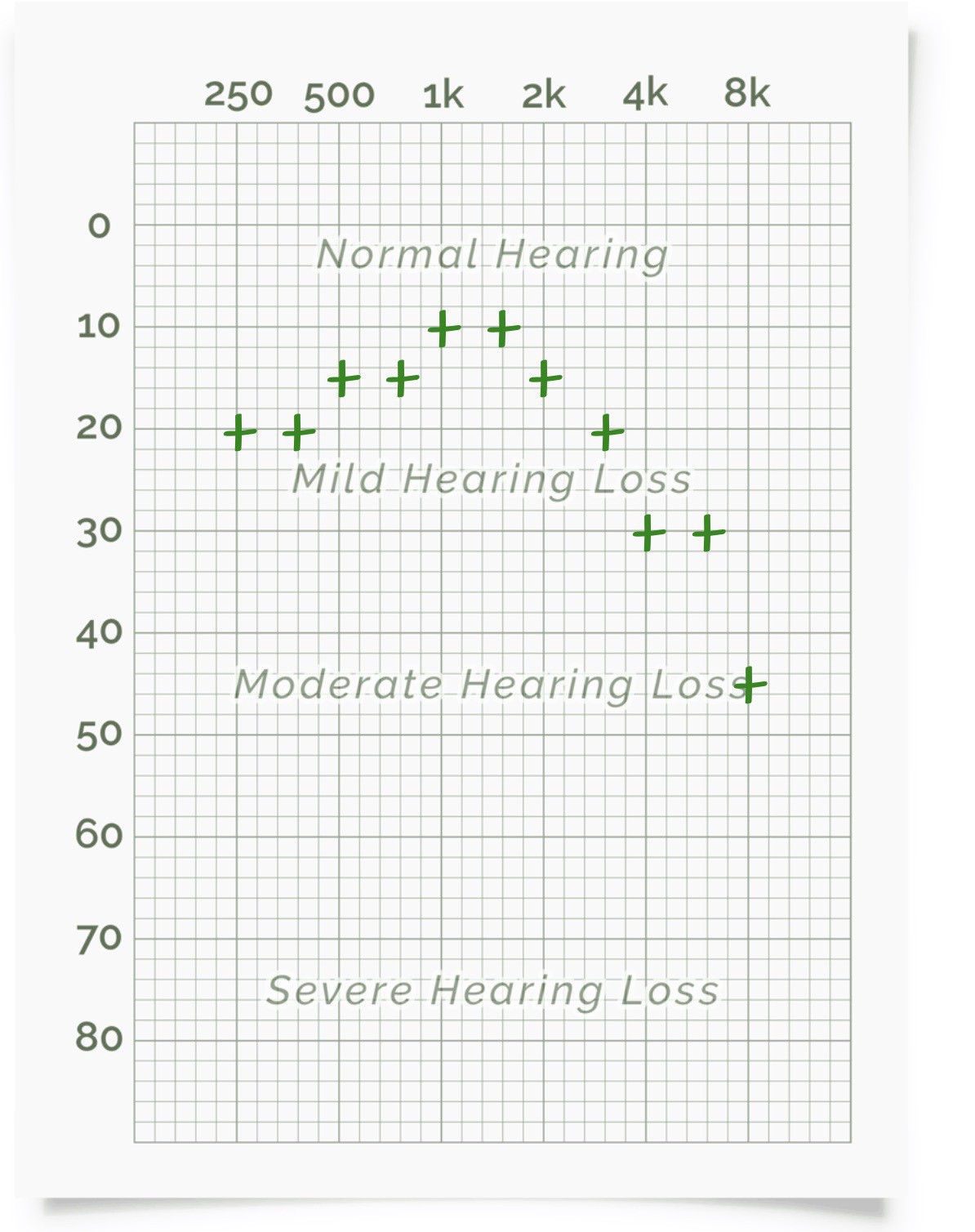
Thanks to ‘On This Day’ I found that 2 years ago I did an online hearing test. Today I tried it again. Looks like there might be a decline in the low range, but perhaps it’s just user error.
Oh happy day! The alpha of Mars Edit shows my pages from 3 Micro.Blog blogs as well as a WordPress blog where I’ve always been able to see them. This will make my life easier for sure. There are a few pages I do or want to update several times a year. Thanks Daniel and Manton!
As you were…
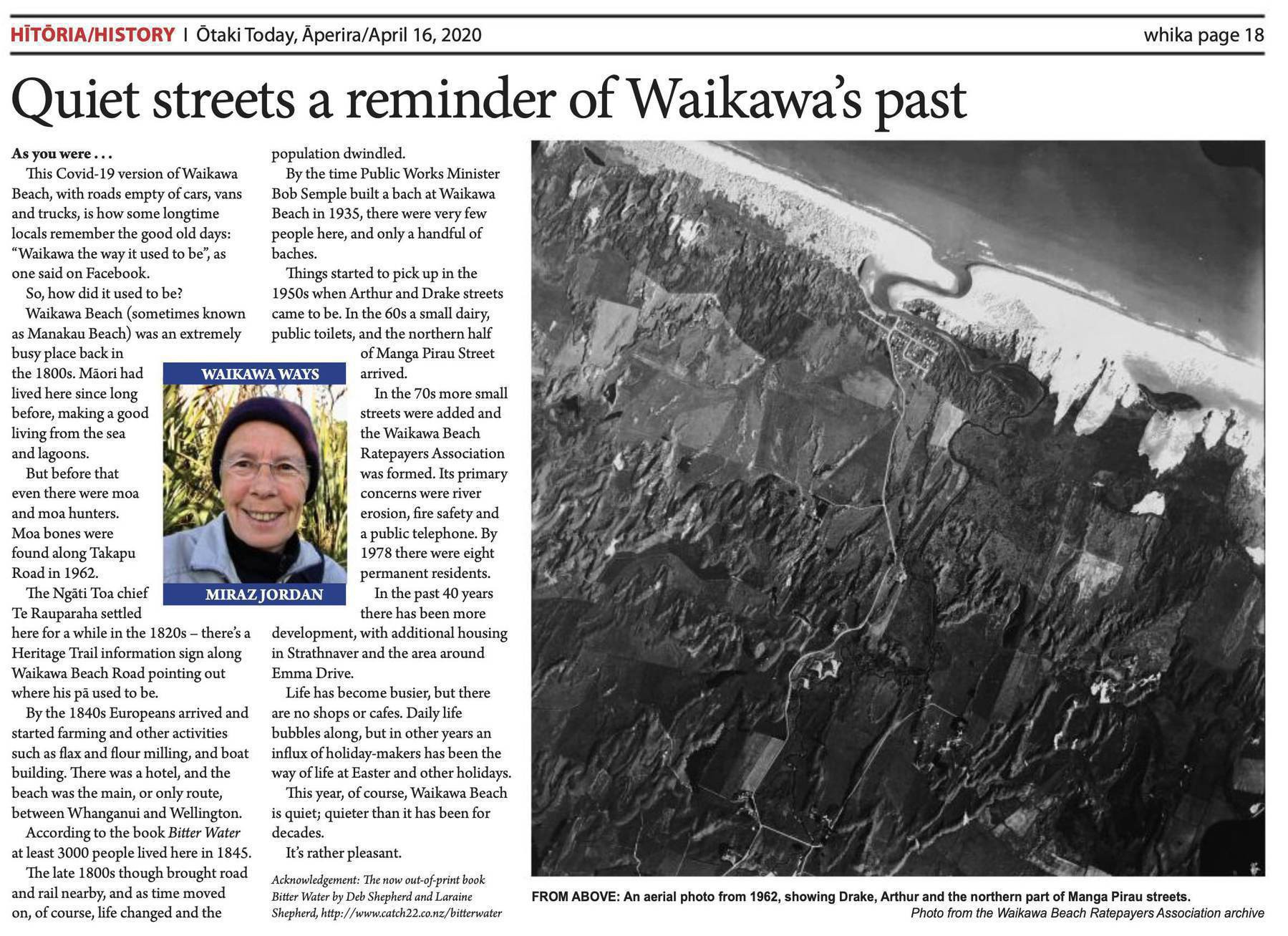
This Covid–19 version of Waikawa Beach, with roads empty of cars, vans and trucks, is how some longtime locals remember the good old days: “Waikawa the way it used to be”, as one said on Facebook. So, how did it used to be?
Waikawa Beach (sometimes known as Manakau Beach) was an extremely busy place back in the 1800s. Māori had lived here since long before, making a good living from the sea and lagoons.
But before that even there were moa and moa hunters. Moa bones were found along Takapu Road in 1962.
Te Rauparaha settled here for a while in the 1820s — there’s a Heritage Trail information sign along Waikawa Beach Road pointing out where his pa used to be.
By the 1840s Europeans arrived and started farming and other activities such as flax and flour milling and boat building. There was a hotel, and the beach was the main, or only route, between Whanganui and Wellington. According to the book Bitter Water there were at least 3,000 people living here in 1845.
The late 1800s though brought road and rail nearby, and as time moved on, of course, life changed and the population dwindled.
By the time Bob Semple, Minister of Public Works, built a bach at Waikawa Beach in 1935, there were very few people here, and only a handful of baches.
Things started to pick up in the 1950s when Arthur and Drake Streets came to be. In the 60s a small dairy, public toilets, and the northern half of Manga Pirau Street arrived. In the 70s more small streets were added and the Waikawa Beach Ratepayers Association was formed. Its primary concerns were river erosion, fire safety and a public telephone. By 1978 there were 8 permanent residents.
In the last 40 years there has been more development, with additional housing in Strathnaver and the area around Emma Drive. Life has become busier, but there are no shops or cafes. Daily life bubbles along, but in other years an influx of holiday makers has been the way of life at Easter and other holidays.
This year, of course, Waikawa Beach is quiet; quieter than it has been for decades. It’s rather pleasant…
Acknowledgement: the now out-of-print book Bitter Water by Deb Shepherd and Laraine Shepherd.
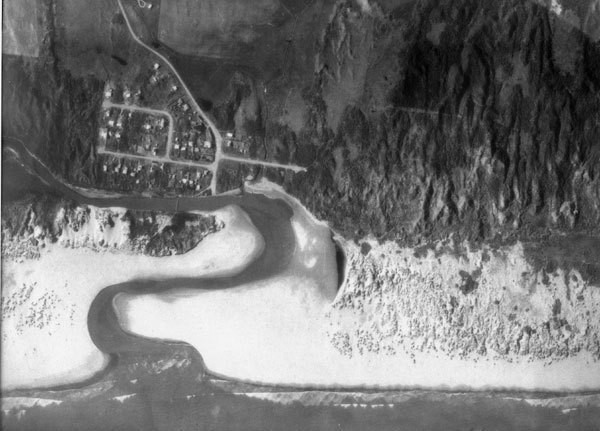
Photo: from the Archive of the Waikawa Beach Ratepayers Association, aerial photo from 1962, showing Drake, Arthur and the northern part of Manga Pirau Streets.
Published in Ōtaki Today 17 April 2020, Page 18.
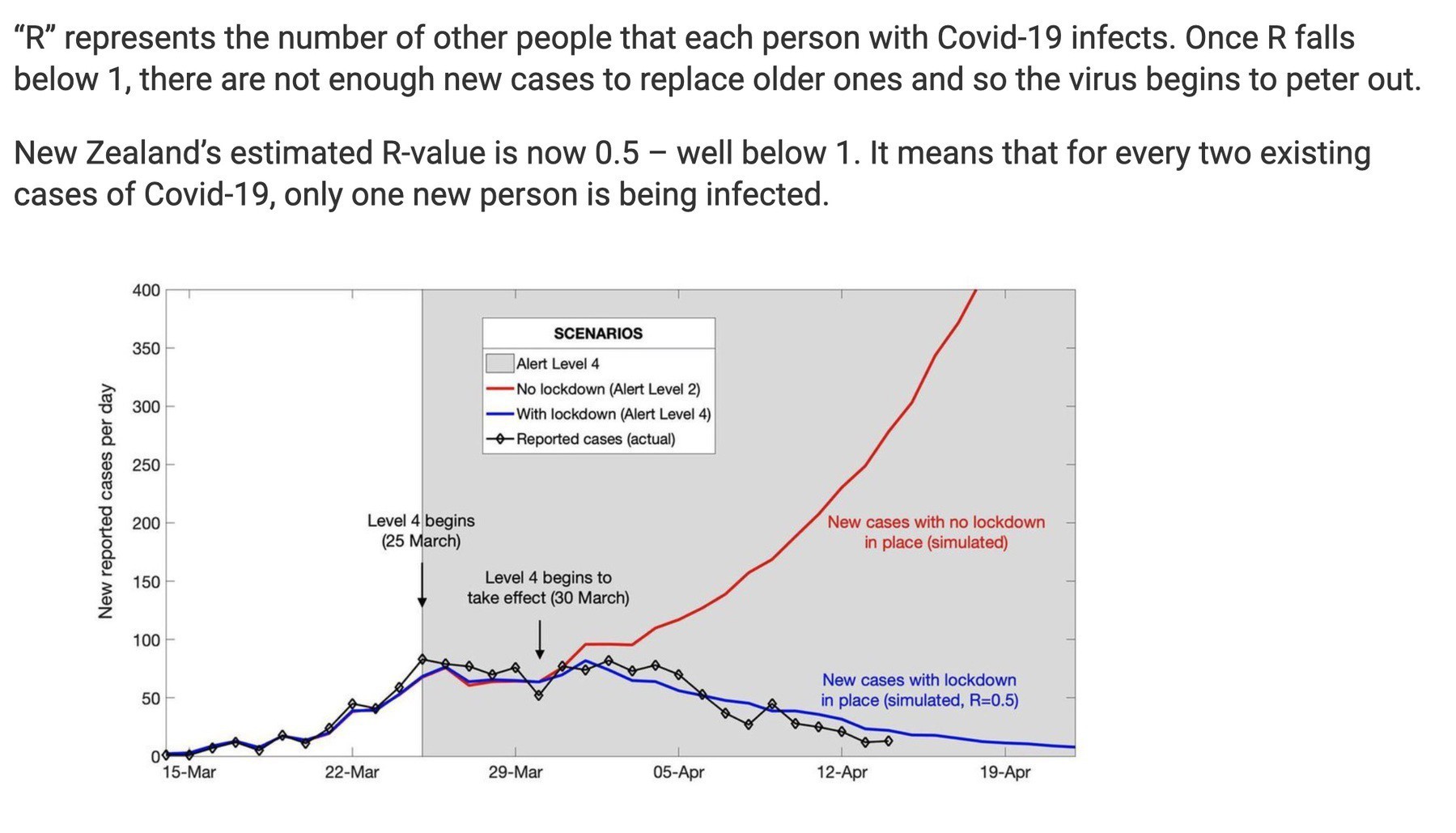
👍 decisive action. On the chart the red line is the model for how many Covid-19 cases Aotearoa New Zealand could have had. The black line is the actual cases we do have, thanks to a stringent shutdown instituted almost 4 weeks ago. Thank you Government who acted on science.
Kristine Kathryn Rusch writes high quality sci-fi. Recommended:
Diving Series is 1/2 off! First novel in the series, Diving into the Wreck, is free in ebook for a limited time, the rest of the ebooks in the 8-novel series are $2.99 each, while the four novellas are $1.99 each.
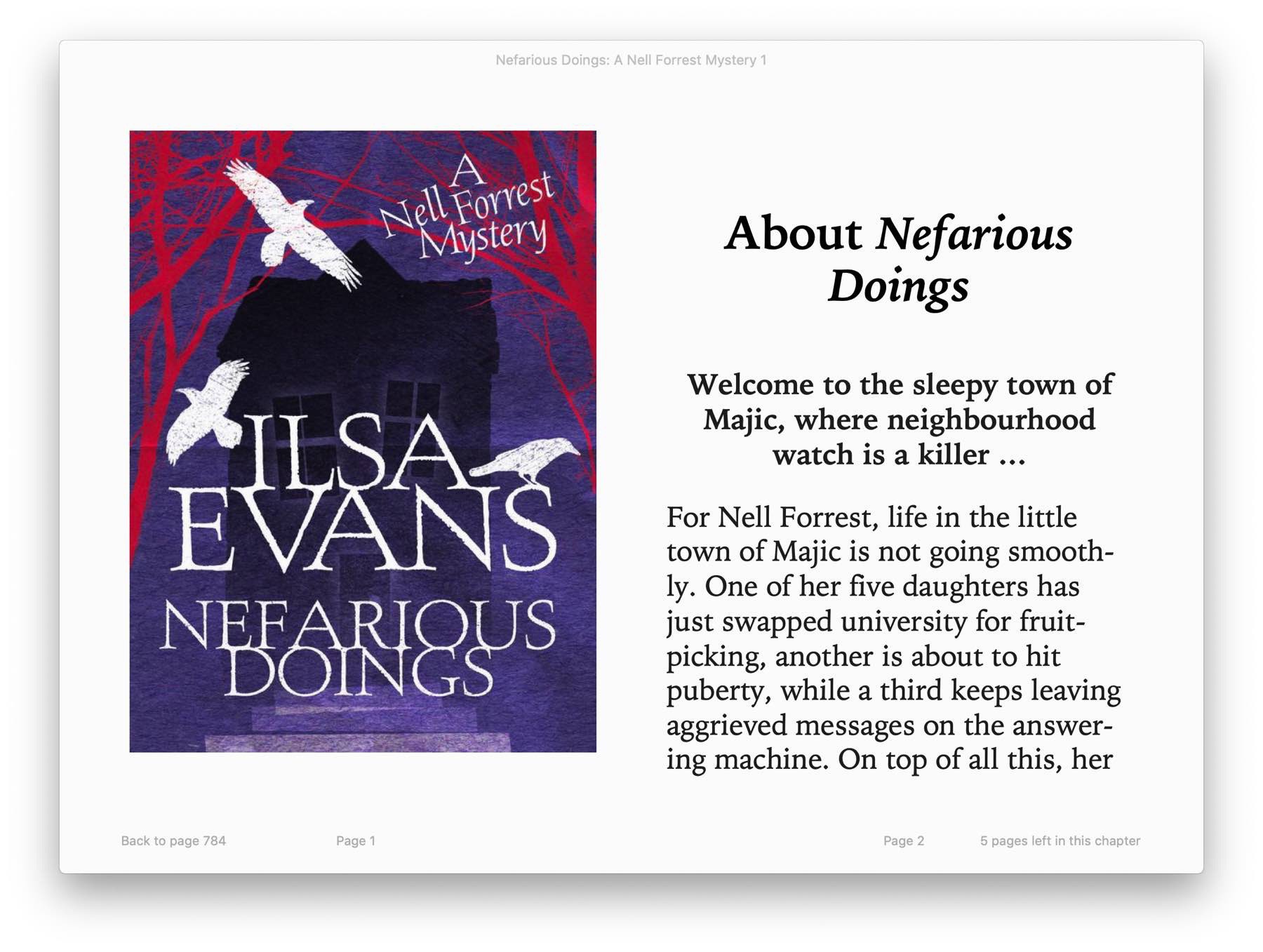
I really enjoyed reading Nefarious Doings by Australian Ilsa Evans. Engaging text and character, wonderful dry humour. The whole Australian (stands in for Kiwi) vibe. It’s so refreshing to get beyond UK / US writing. I’ll be reading more for sure.
Thanks to John McWhorter in the excellent Lexicon Valley podcast episode The Many Meanings of Too for playing part of this wonderful track Cow Cow Boogie by Ella Mae Morse. If you need cheering up, give it a try. 😀 Or just listen anyway. 👍 🎶

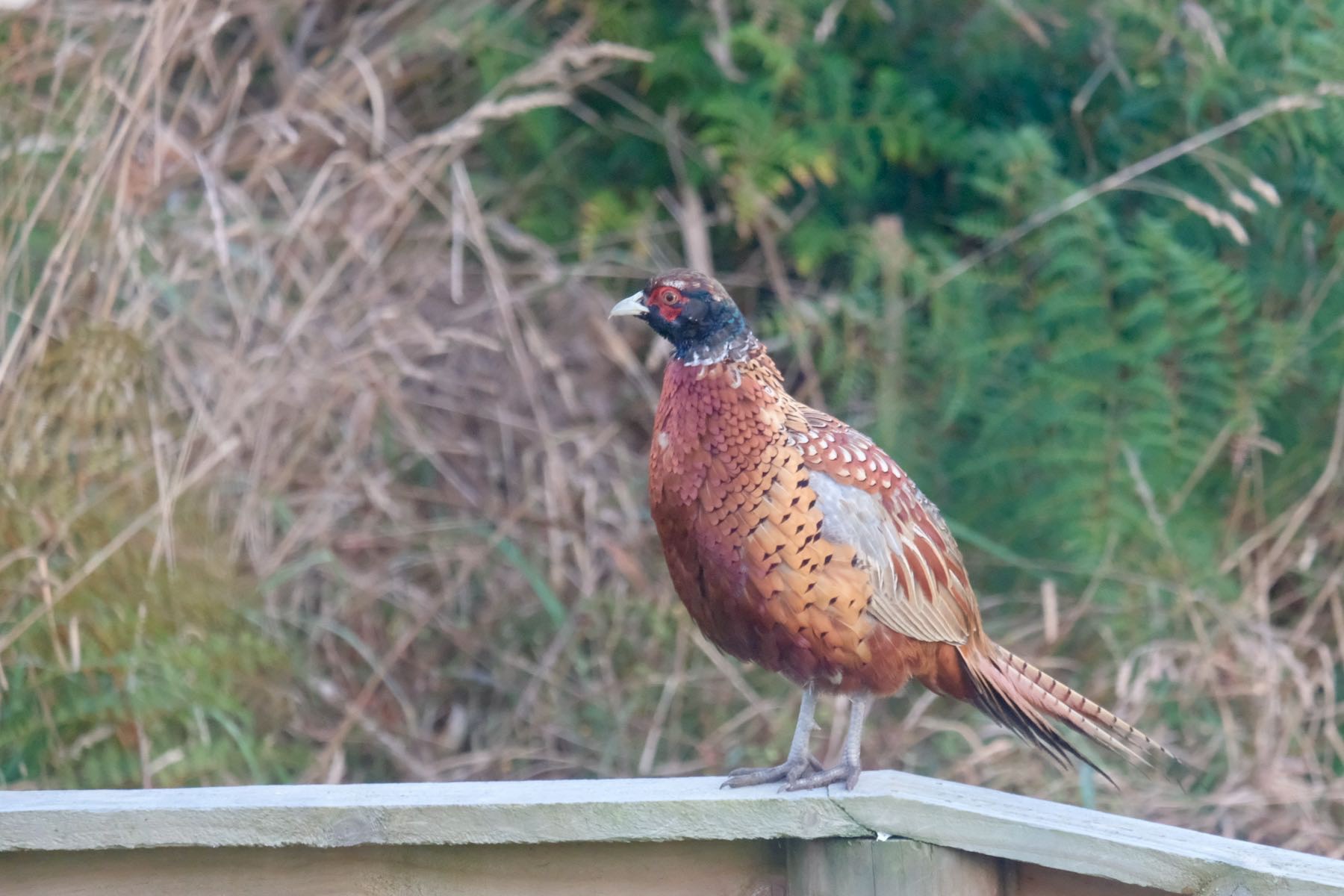
I hopped out of bed and spotted this pheasant watching me from the rail of the dog yard fence. I quickly grabbed this shot through a rather dirty window. 🐦
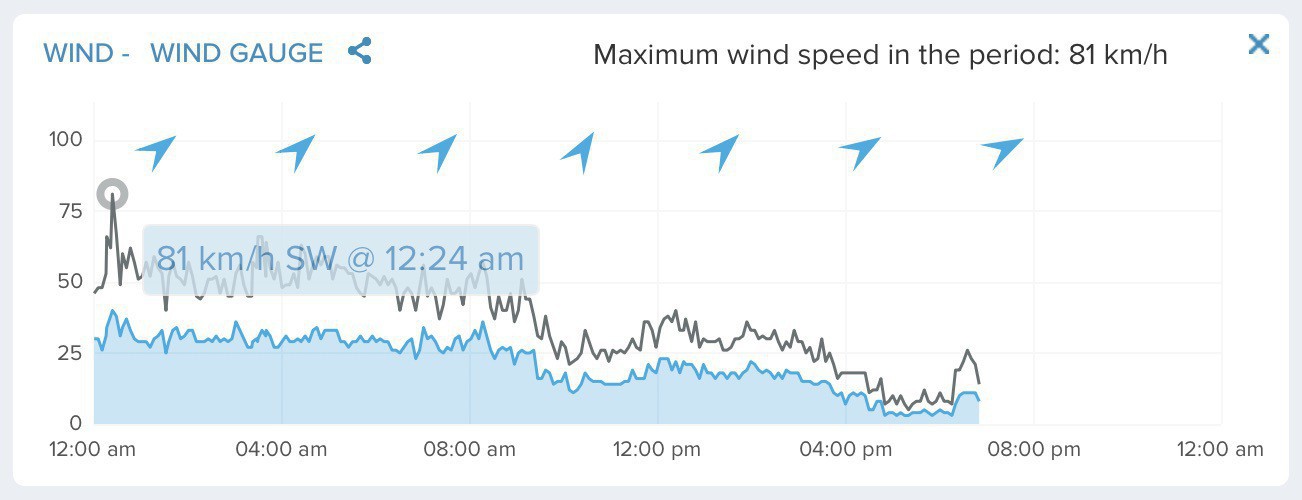
I did sleep last night but with winds gusting up to 80+ Kph it wasn’t a good sleep by any means. Our house is on 6 metre piles and shakes even with the washing machine or a heavy footstep. Gusts of wind meant constant motion, and noise. Exhausting!
I just finished reading Nichelle Clarke Crime Thrillers, Books 1–3 by LynDee Walker, and enjoyed the books enough to buy the next box set. The books are well written, hold my attention and the solutions follow from the clues but are far from obvious. 👍 📚

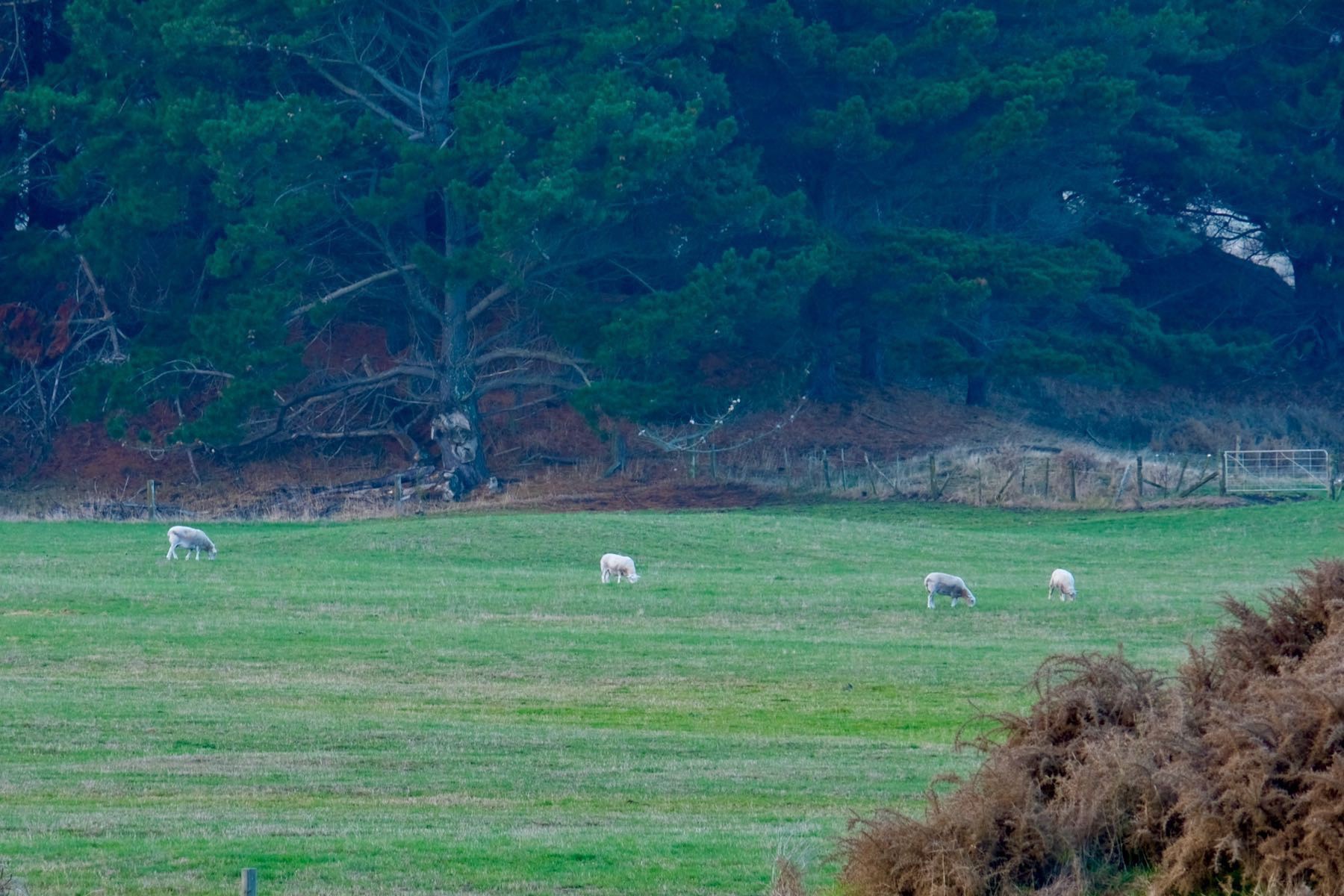
The farmer next door runs dairy (not by us) and beef (over our fence). Today though there were 4 sheep in his next-but-one paddock.
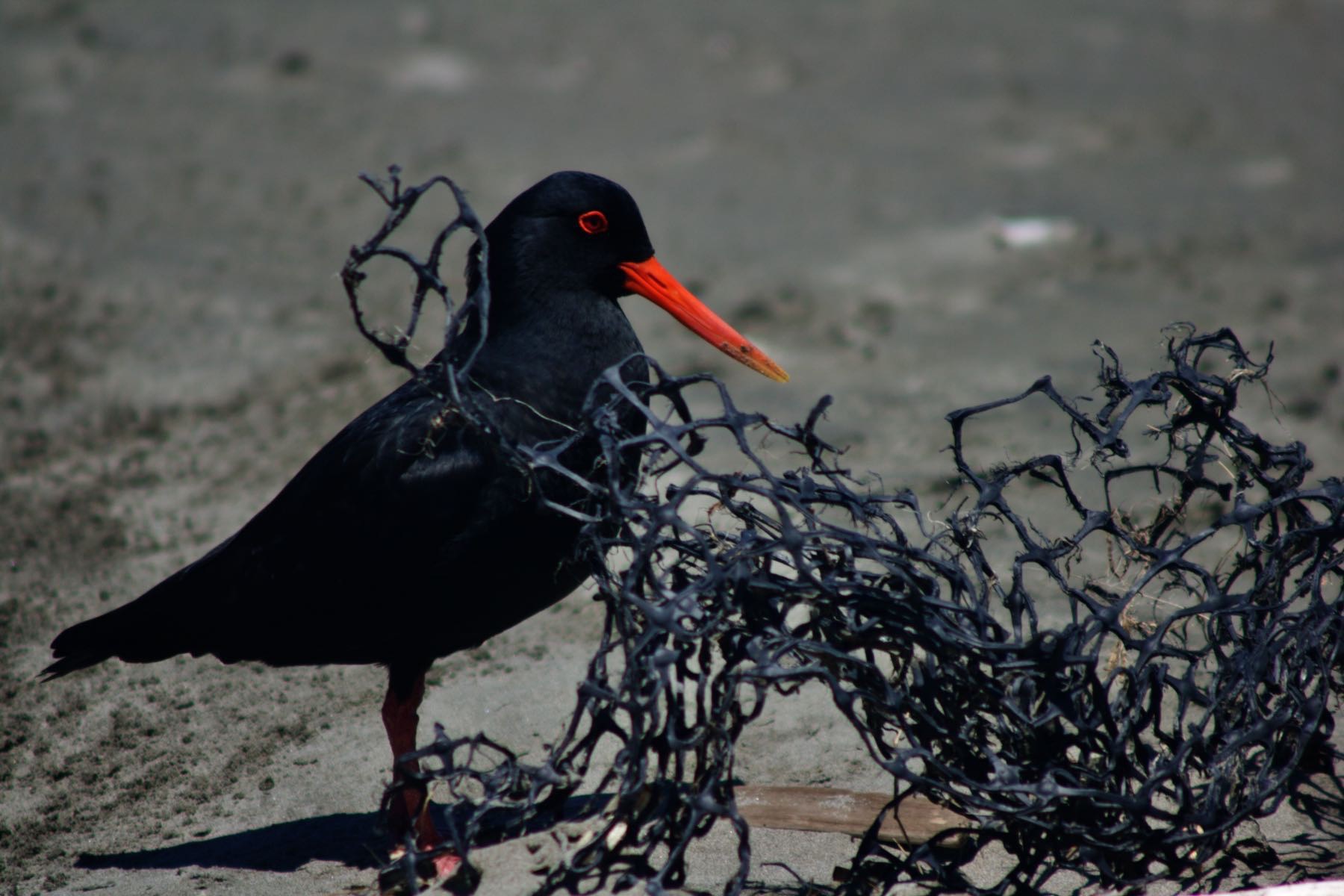
While looking for something else I came upon this photo I took in 2013. Oystercatcher. 🐦
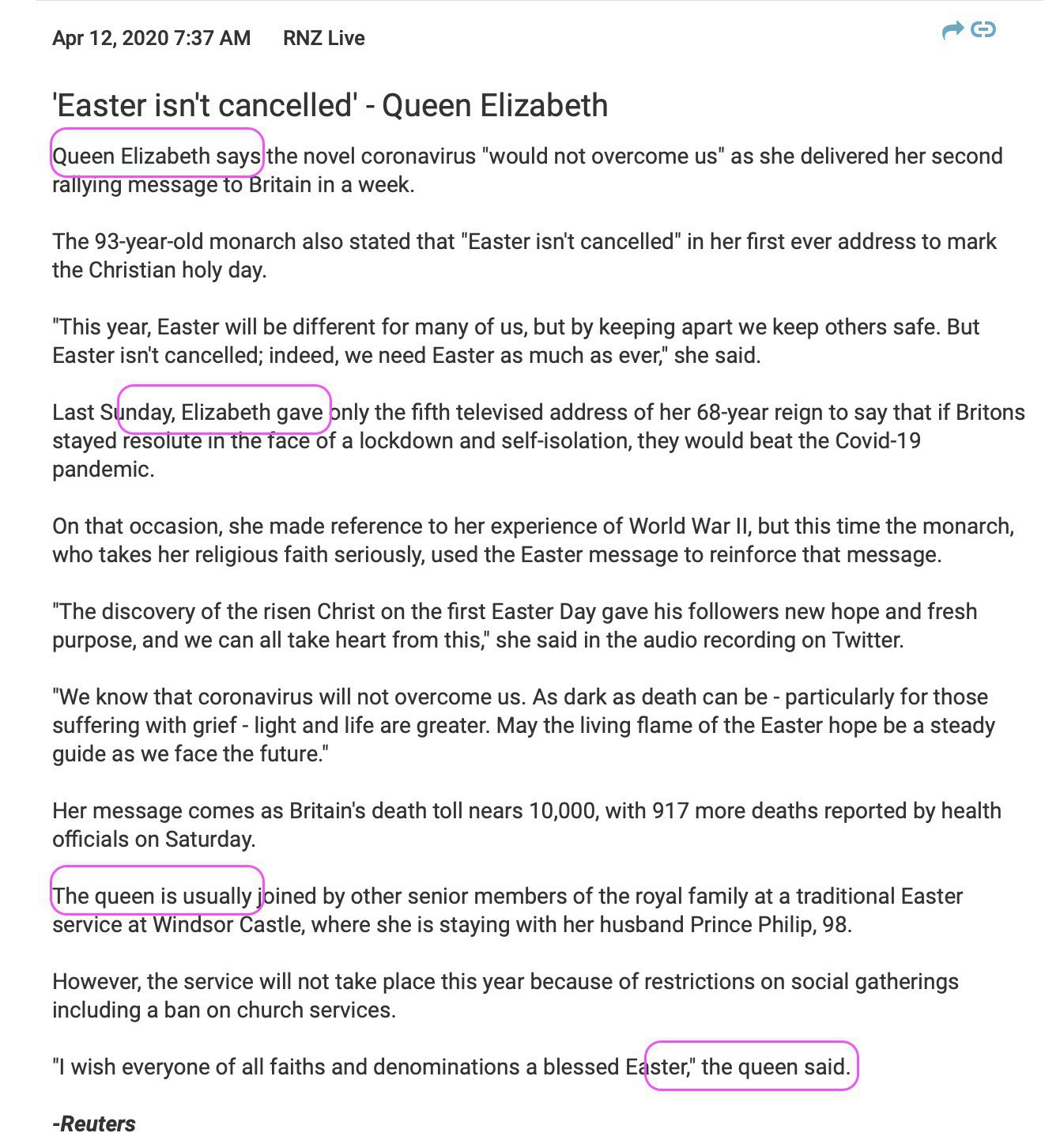
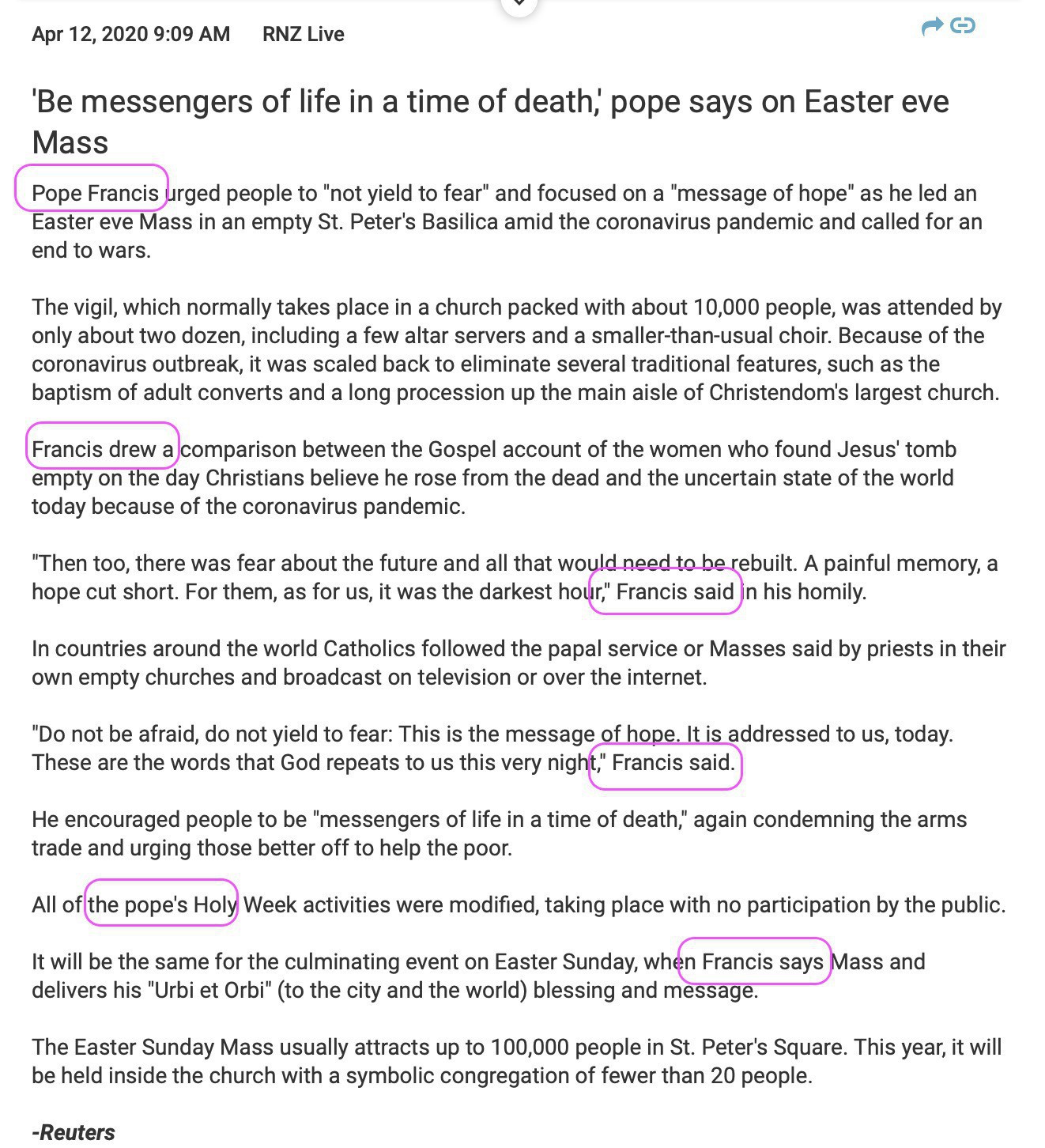
Two very surprising finds in the news: first name only and lack of upper case for Queen Elizabeth and Pope Francis. I’ve never seen either simply referred to by name without title before. Next up: Lizzy and Frank? I’m neither monarchist nor Catholic but this does ‘startle’ me.
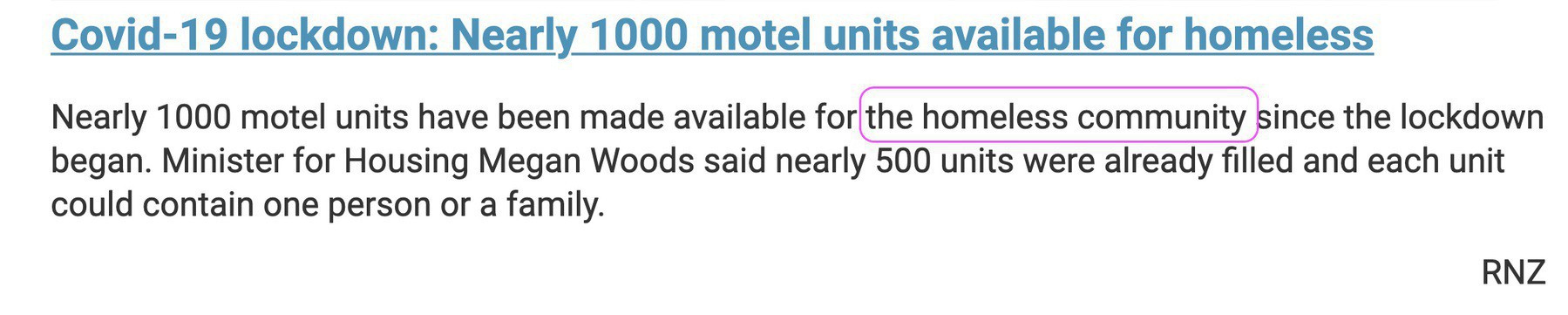
I’m glad homeless people will have (temporary) houses, but what bugs me about this is the phrase ‘homeless community’. No-one should be homeless in Aotearoa New Zealand. These should be homeless people. The ‘community’ phrase accepts a permanent status à la ‘Thai community’.
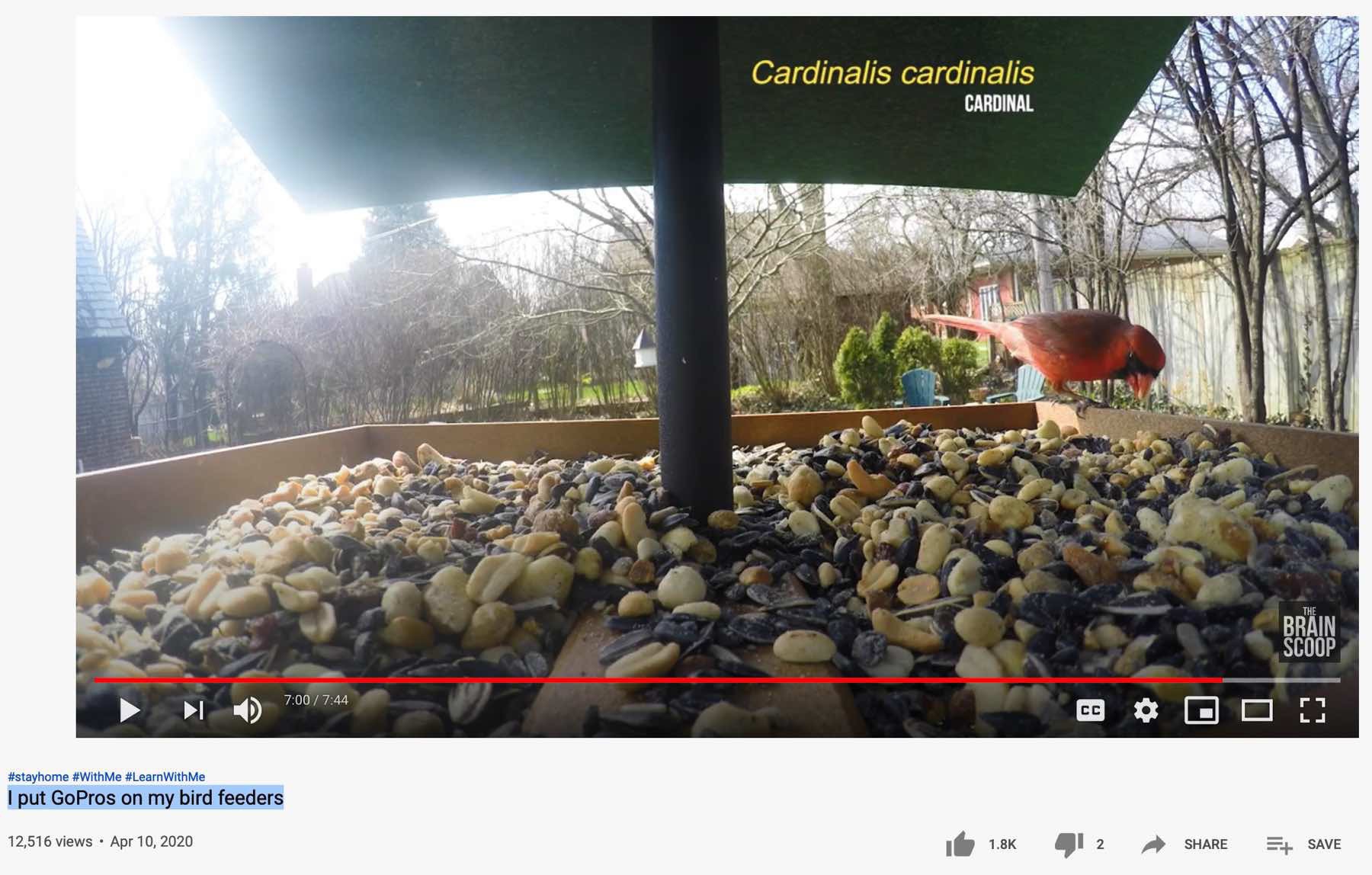
Emily Graslie works for the Chicago Field Museum and is one of my favourite YouTubers. She has such a lovely manner.
If you like birds watch her 8 minute video: I put GoPros on my bird feeders - YouTube 🐦